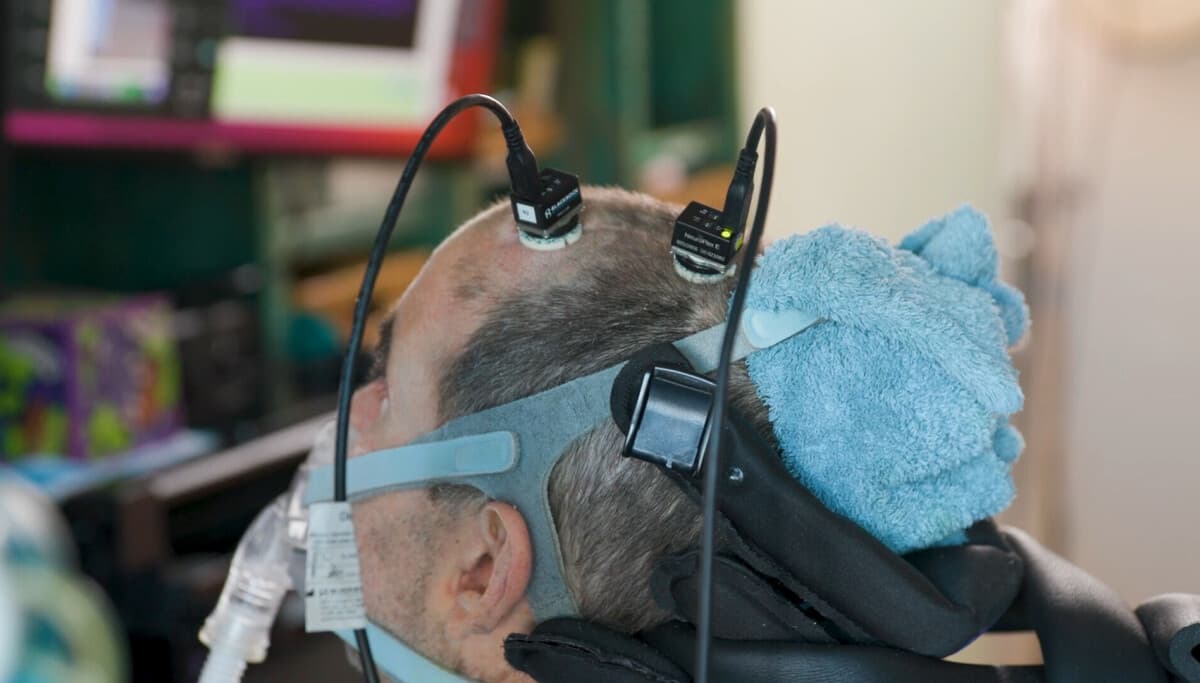
AI and Brain-Computer Interface Allow Speechless ALS Patient to Work a Full-Time Job

Companies Mentioned
Why It Matters
The study proves that AI‑enhanced BCIs can deliver reliable, everyday communication for paralysis patients, accelerating the path toward commercial neuro‑assistive devices.
Key Takeaways
- •ALS patient uses BCI for over 3,800 hours since 2023
- •BRAND AI translates brain activity to speech with 99% accuracy
- •Patient returned to full‑time work as environmental advocate
- •System runs at home, no researcher needed, ~5 hrs daily
- •Study repurposes Blackrock Neurotech hardware, proving existing implants work
Pulse Analysis
The latest UC Davis BrainGate study marks a turning point for brain‑computer interfaces, moving them from short‑term laboratory demos to durable, real‑world tools. By implanting a Blackrock Neurotech array in an ALS patient and maintaining it for over three years, the team showed that such devices can survive the rigors of daily life. This longevity mirrors the evolution of cardiac pacemakers, which began as bulky, tethered units and now function as outpatient implants, suggesting a similar trajectory for neurotechnology.
Central to the breakthrough is the proprietary BRAND platform, an AI‑driven decoding suite that converts neural firing patterns in the ventral precentral gyrus into phonemes, words, and full sentences. The system’s 99% lab accuracy and 92% real‑world performance far exceed earlier BCI prototypes that required constant researcher supervision. By automating signal processing and adapting to the patient’s neural signatures, BRAND reduces latency and error, enabling fluid conversation and even professional communication for a patient who cannot speak.
Commercially, the study validates that existing hardware can be repurposed with advanced software, lowering the barrier to market entry for companies like Paradromics, Synchron, and Neuralink. As regulatory pathways for implantable neurodevices mature, the demonstrated home‑use model—requiring only a caregiver to connect the system—could accelerate insurance coverage and broader adoption. Ultimately, the Davis team’s success not only restores voice to a single individual but also sets a scalable blueprint for future assistive technologies aimed at millions living with paralysis or speech loss.
AI and brain-computer interface allow speechless ALS patient to work a full-time job
Comments
Want to join the conversation?
Loading comments...