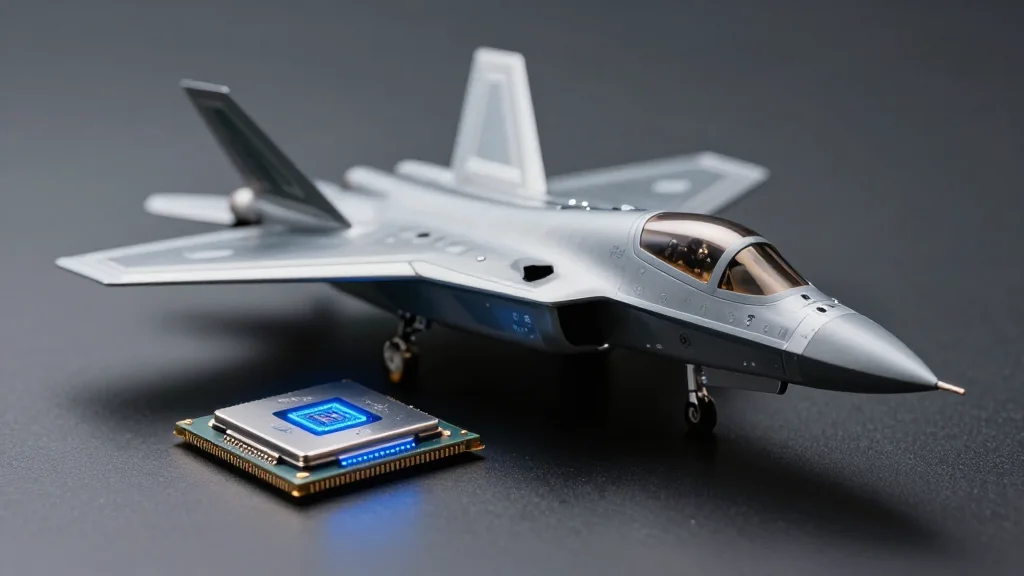
AI and Defence Companies Dominate US Growth Investment
Why It Matters
Investors are betting heavily on AI and defence as growth engines, leaving the majority of US startups facing a tougher capital environment and slower path to scale.
Key Takeaways
- •AI and defence firms attract limitless VC funding
- •Series A rounds harder for non‑AI startups
- •Klarna raised $1.4 bn by branding as AI‑focused
- •Allbirds’ AI pivot sparked 582% stock jump
- •Higher US loan rates pressure cash‑flow‑positive firms
Pulse Analysis
The current venture‑capital landscape in the United States reflects a pronounced tilt toward artificial intelligence and defence technologies. Geopolitical tensions from the Ukraine and Middle East conflicts, combined with the lingering AI boom, have created a powerful tailwind for companies positioned in these arenas. Investors such as Lux Capital and IVP are willing to pour capital at premium valuations, betting on rapid revenue expansion and strategic relevance. This dynamic mirrors past tech waves—Internet, mobile, cloud—where capital chased the next disruptive frontier.
For startups outside the AI‑defence nexus, the fundraising journey has become markedly more arduous. While seed capital remains relatively abundant, the transition to Series A demands larger checks and deeper investor involvement, a hurdle amplified by a shrinking pool of venture firms with cross‑sector mandates. Companies like Allbirds illustrate the temptation to rebrand under an AI banner, yet such pivots often generate market hype without guaranteeing sustainable growth. The broader market uncertainty—elevated interest rates tied to the Federal Reserve and a consumer affordability crunch—further constrains capital availability for traditional business models.
The implications for the US innovation ecosystem are significant. Capital concentration on AI and defence may accelerate breakthroughs in those fields but risks creating a funding vacuum for diverse sectors, potentially stifling broader entrepreneurial diversity. Firms that can embed AI into core value propositions without compromising differentiation stand to capture investor interest. Meanwhile, cash‑flow‑positive companies are turning to term loans to avoid dilution, though they must navigate a high‑rate environment. Ultimately, the winners will be those that align with the "good stuff" narrative—demonstrating clear growth trajectories, defensible technology, and resilience amid macroeconomic headwinds.
AI and defence companies dominate US growth investment
Comments
Want to join the conversation?
Loading comments...