
Why It Matters
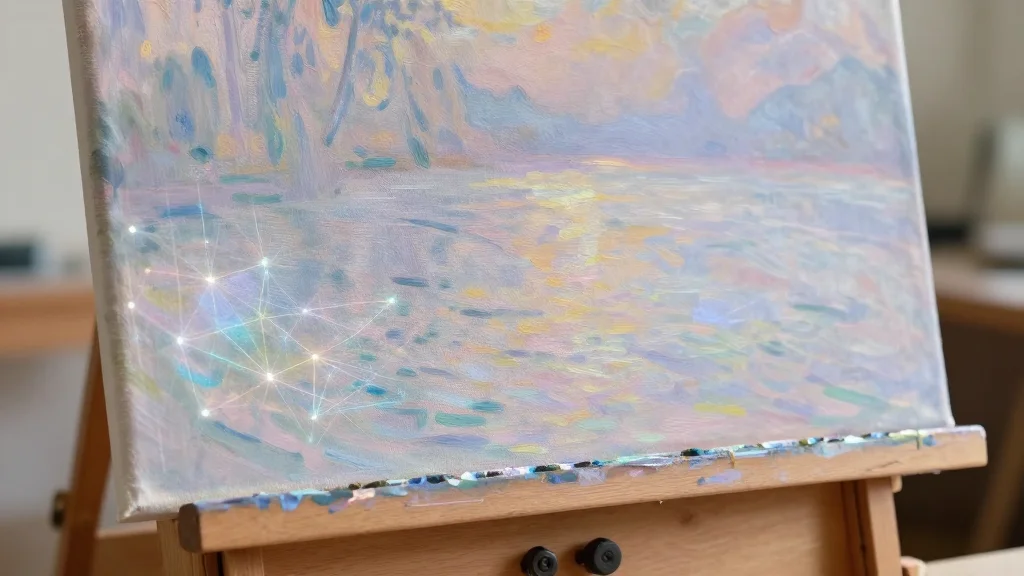
The prank underscores how realistic AI‑generated visuals can erode public trust in visual media, amplifying the deepfake problem beyond political disinformation to cultural heritage. It also forces the art world to confront provenance challenges, as collectors and museums must now verify whether a work is a historic piece or a synthetic replica. Finally, the incident highlights a broader societal need for digital literacy tools that can keep pace with AI’s rapid visual advancements. By exposing the ease with which a real Monet can be mischaracterized as AI‑fabricated, the episode pushes regulators, platforms, and educators to prioritize verification mechanisms. Without such safeguards, the line between authentic cultural artifacts and algorithmic forgeries will blur, potentially devaluing both genuine art and the credibility of AI‑generated creations.
Key Takeaways
- •Anonymous X user SHL0MS posted a real Monet painting while claiming it was AI‑generated.
- •The post attracted over 5.5 million views within hours.
- •Commenters offered technical critiques, many without verifying the image’s origin.
- •Experts Kendric Tonn and A.V. Marraccini correctly identified the work as an authentic Monet.
- •The incident highlights growing challenges in deepfake detection and AI‑art provenance.
Pulse Analysis
The Monet hoax is a microcosm of a larger shift: AI is no longer a novelty but a mainstream visual force capable of mimicking masterworks with uncanny fidelity. Historically, forgeries relied on skilled artisans; today, a single prompt can generate a plausible replica, democratizing both creation and deception. This democratization pressures platforms to embed provenance metadata or AI‑generation tags, yet voluntary labeling has proven inconsistent.
Market dynamics will feel the ripple. Auction houses are already experimenting with blockchain certificates to guarantee authenticity; the Monet incident suggests that such measures may become industry standards rather than optional perks. Meanwhile, the art‑tech community may see a surge in services that combine reverse‑image search with AI detection, creating a new niche of digital curatorship.
Looking ahead, the key question is not whether AI can fake art, but how society decides to value the intent behind a piece. If the public begins to accept algorithmic style‑transfer as a legitimate artistic voice, the traditional gatekeepers—critics, curators, and historians—must redefine criteria beyond technique. The Monet prank forces that conversation into the public sphere, reminding us that the battle over truth in visual media is now as much about education as it is about technology.
AI Art Prank Tricks Millions, Reveals Deepfake Confusion
Comments
Want to join the conversation?
Loading comments...