Companies Mentioned

Why It Matters
The surge of AI‑focused campaign funding and public resistance to data‑center expansion could reshape policy debates and regulatory frameworks ahead of the 2026 elections, influencing both technology development and political strategy.
Key Takeaways
- •Andreessen Horowitz leads midterm funding for pro‑AI candidates
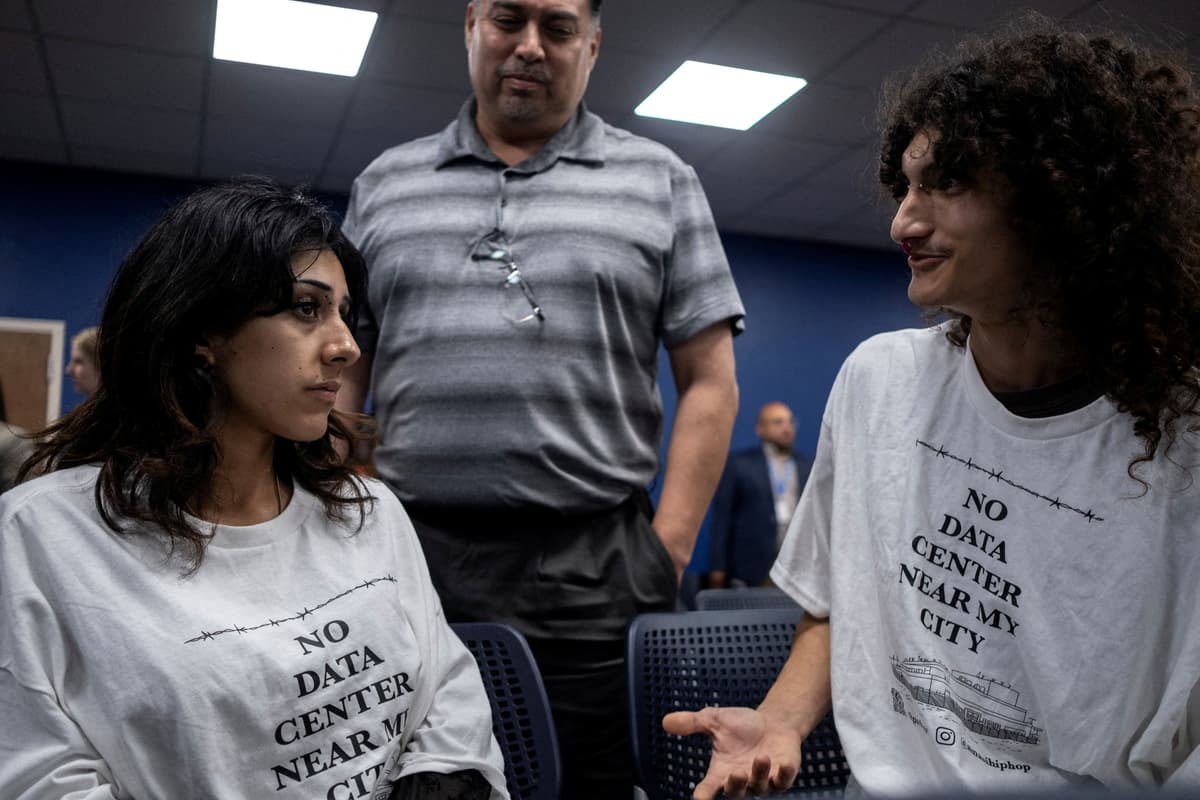
- •70% of Americans oppose local data centers, fueling political backlash
- •NYC Democratic primary becomes de facto AI‑regulation showdown
- •Venture capital shift expands from crypto to political AI influence
- •Campaign finance rules face scrutiny as AI money flows intensify
Pulse Analysis
The infusion of venture capital into political campaigns marks a new chapter for election financing. Andreessen Horowitz, traditionally known for backing crypto startups, has redirected significant resources toward candidates who champion AI development. This strategic move reflects a belief that shaping policy now will secure a favorable environment for the next generation of AI enterprises, echoing a broader pattern where tech investors seek to influence regulation directly rather than relying solely on market forces.
Public sentiment adds another layer of complexity. A recent Gallup survey reveals that 70% of Americans oppose the siting of data centers in their neighborhoods, citing concerns over noise, energy consumption, and perceived corporate overreach. This opposition is translating into political capital, with several local candidates positioning themselves as defenders against AI‑related infrastructure. Lawmakers are now forced to balance the economic benefits of AI‑driven data hubs against a growing grassroots backlash, prompting discussions about zoning reforms and community benefit agreements.
The New York City Democratic primary illustrates how these forces converge in a single race. Candidates are being funded by opposing coalitions—one side backing stricter AI regulations, the other advocating for a lighter regulatory touch to preserve innovation momentum. The outcome could set a precedent for federal AI policy, signaling whether lawmakers will prioritize consumer protection and ethical standards or prioritize rapid technological advancement. As the 2026 election cycle unfolds, the interplay between tech money, voter attitudes, and regulatory battles will likely define the next era of American AI governance.
AI assumes larger role in US elections
Comments
Want to join the conversation?
Loading comments...