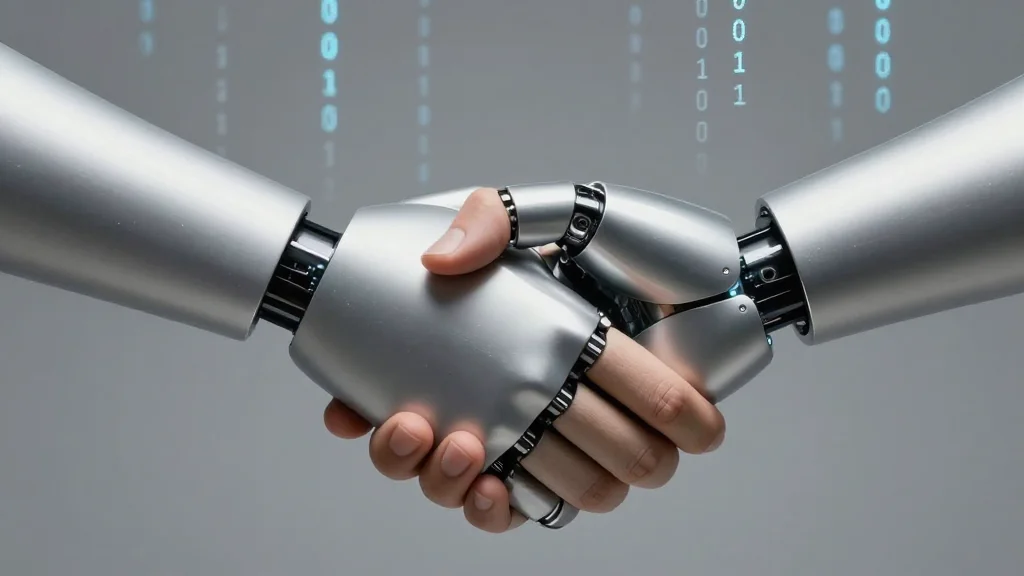
AI Coding Tools Handle More Code Than Engineers, But Trust Is Still a Handshake
Companies Mentioned
Why It Matters
Without verifiable data‑handling guarantees, firms risk regulatory penalties, IP loss, and eroded customer trust as AI tools become integral to software production.
Key Takeaways
- •AI tools generate over 60% of enterprise code
- •79% lack visibility into data handling
- •Promises of zero retention often unverifiable
- •Confidential computing offers encrypted execution proof
- •ORGN provides first TEE‑based AI coding platform
Pulse Analysis
The rapid adoption of AI coding assistants has transformed software development, allowing engineers to produce code at unprecedented speed. However, this productivity surge comes with a hidden cost: every prompt sent to an AI model can leak sensitive architecture, business logic, or even credentials to external cloud services. Traditional security reviews are ill‑equipped to detect vulnerabilities embedded in AI‑generated output, and most organizations cannot trace where that data travels once it leaves their premises.
Regulators are closing the gap between promise and practice. The EU’s AI Act, now in phased implementation, alongside state‑level AI statutes in the United States, mandates clear audit trails and data residency for high‑risk applications. Financial institutions, healthcare providers, and defense contractors must demonstrate concrete controls over AI‑processed code, or face fines and loss of compliance status. The industry’s reliance on vendor assurances without technical proof is no longer tenable, prompting a scramble for solutions that can satisfy both security teams and auditors.
Confidential computing emerges as the answer, leveraging hardware‑isolated Trusted Execution Environments (TEEs) to keep code encrypted throughout processing. ORGN’s platform, launched in April 2026, embeds AI coding assistants within such TEEs and generates cryptographic attestation records that verify the environment’s integrity. This verifiable trust layer not only mitigates data‑exfiltration risks but also equips enterprises with the evidence needed for regulatory compliance, positioning confidential AI development as the next standard for secure, trustworthy software engineering.
AI Coding Tools Handle More Code Than Engineers, But Trust Is Still a Handshake
Comments
Want to join the conversation?
Loading comments...