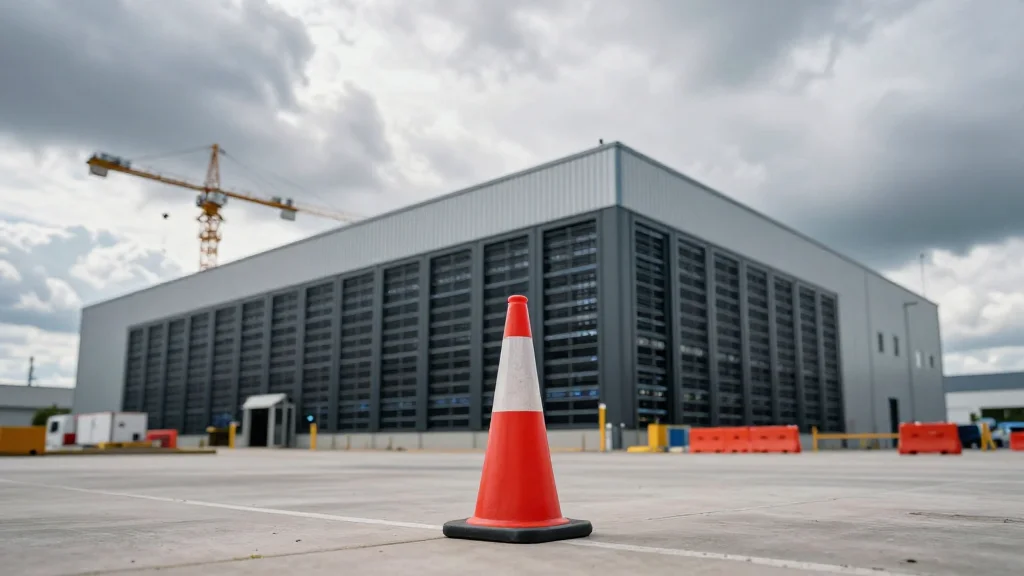
AI Data Center Bans Rapidly Spread Across US as Communities Resist New Mega Facilities
Why It Matters
The growing regulatory push creates significant financial and operational risk for AI developers and investors, potentially slowing the rollout of critical computing capacity. It also forces the construction sector to adapt to a more contentious permitting environment and heightened community scrutiny.
Key Takeaways
- •78 AI data‑center bans or moratoriums active nationwide as of May 2026
- •Wholesale electricity prices rose 267% in five years, driving community backlash
- •Projects like Kansas’s $12.6 billion center still get local support despite opposition
- •Developers face permitting delays and supply‑chain shortages, raising investment risk
Pulse Analysis
The AI boom has turned data centers into the fastest‑growing segment of industrial construction, driven by the need for massive compute power to train and run generative models. Early on, local officials welcomed these projects for promised tax revenue and high‑tech jobs, but the reality—few permanent positions and an appetite for megawatts of electricity—has shifted public sentiment. As utilities scramble to expand transmission lines, wholesale power rates have surged 267% in the past five years, directly inflating household bills and sparking backlash.
Since March 2025, the U.S. Data Center Moratorium Tracker shows a sharp uptick, adding 14 new restrictions in just two months and bringing the total to 78 measures nationwide. Communities across urban and rural areas are filing bans, temporary moratoriums, and permanent prohibitions, citing water consumption, noise, and environmental degradation. While states like Maine briefly pursued a statewide moratorium, other locales such as Oklahoma City and over two dozen Michigan municipalities have enacted temporary pauses to reassess grid impacts. The debate pits federal encouragement—exemplified by a White House pledge for ratepayer protection—against mounting local resistance.
For investors and construction firms, the regulatory wave translates into heightened uncertainty. Permitting delays, coupled with supply‑chain shortages of memory chips and power‑equipment, threaten project timelines and cost structures. Developers may pivot to regions with friendlier utility capacity or negotiate community benefit agreements to secure approvals. Ultimately, the spread of bans signals that AI infrastructure growth will increasingly depend on balancing technological demand with local affordability, environmental stewardship, and transparent public value.
AI Data Center Bans Rapidly Spread Across US as Communities Resist New Mega Facilities
Comments
Want to join the conversation?
Loading comments...