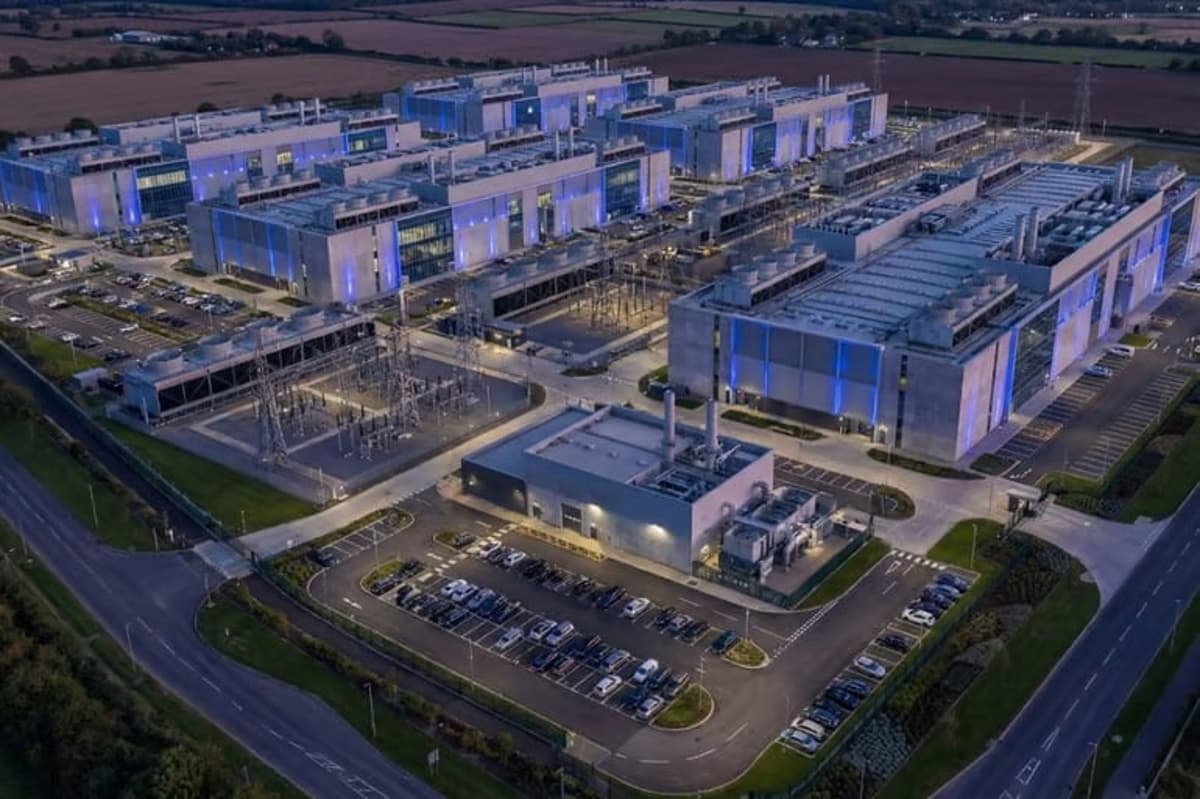
AI Demand Is Forcing a Rethink of Data Center Power, Cooling
Companies Mentioned
Why It Matters
Power and cooling bottlenecks could delay AI‑driven workloads, raising costs and slowing innovation across cloud providers and enterprises. Early adoption of liquid‑cooling and strategic site selection mitigates risk and sustains AI growth.
Key Takeaways
- •AI demand forced a 50% power increase on an active data‑center build
- •Supply‑chain backlogs affect transformers, power shelves, and cooling equipment
- •Liquid‑cooled chip shipments expected to rise from 8 M to 356 M by 2030
- •Operators buy equipment 2.5 years ahead and target stranded‑power locations
- •Vertiv pushes modular, integrated power‑cooling‑compute building blocks
Pulse Analysis
The surge in generative AI workloads is reshaping data‑center design fundamentals. As GPUs and specialized accelerators consume hundreds of kilowatts per rack, traditional air‑cooling and legacy power distribution struggle to keep pace. Operators are now pre‑ordering critical components years in advance and scouting sites with excess grid capacity, a strategy that reduces project delays caused by transformer and power‑shelf shortages. This proactive approach also cushions the sector against volatile supply‑chain dynamics that have plagued other tech hardware segments.
Cooling technology is undergoing a parallel transformation. Omdia’s forecast of a five‑fold increase in liquid‑cooled chip deployments by 2030 reflects the urgency to manage thermal density at scale. While air cooling will remain essential for ancillary equipment, liquid cooling’s ability to directly remove heat from high‑performance chips is becoming a baseline requirement for AI‑focused facilities. Vendors like Vertiv are standardizing coolant distribution units and integrating them with power modules, enabling rapid simulation‑driven adjustments that optimize efficiency across gigawatt‑scale campuses.
The broader market implication is clear: data‑center developers that embed power, cooling, and compute into modular, scalable blocks will outpace competitors locked into siloed supply chains. By aligning site selection with stranded power and adopting liquid‑cooling architectures, firms can accelerate AI deployment timelines while containing operational expenditures. This holistic design philosophy not only safeguards against future bottlenecks but also positions the industry to meet the escalating demand for AI services across cloud, enterprise, and edge environments.
AI Demand Is Forcing a Rethink of Data Center Power, Cooling
Comments
Want to join the conversation?
Loading comments...