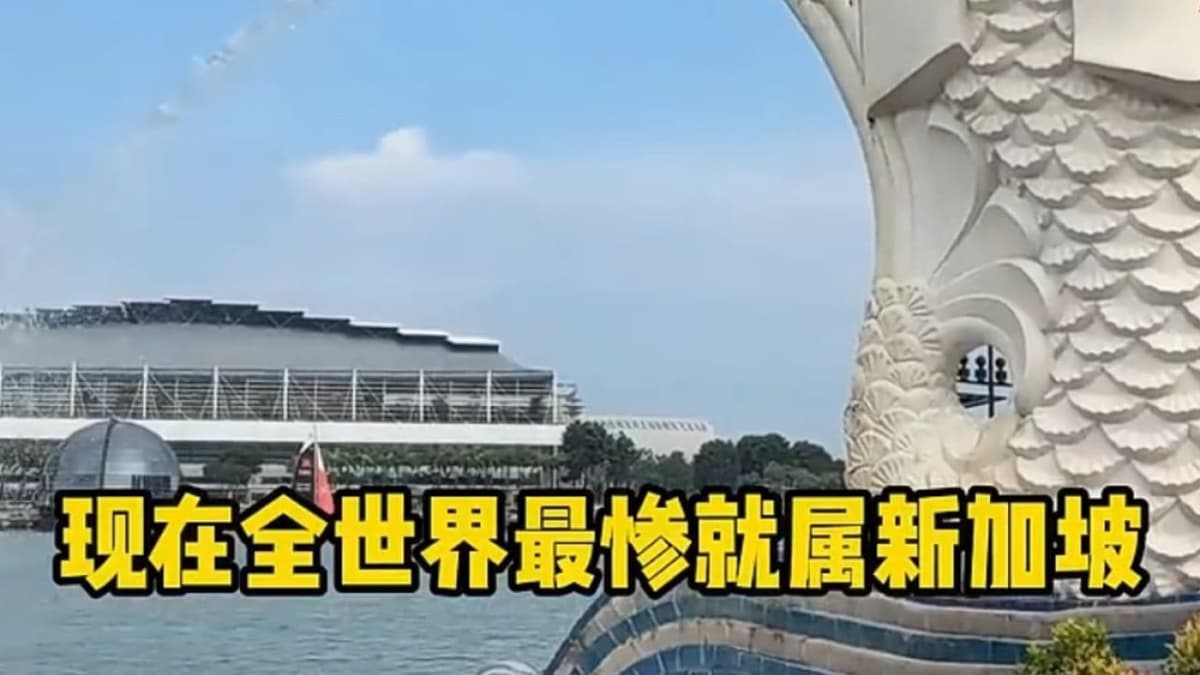
AI Disinformation? Singapore Accused in Pro-China Videos of Being ‘Ungrateful’
Why It Matters
The episode underscores how AI‑driven deepfakes can be weaponized in diplomatic disputes, threatening regional stability and eroding trust in online information. It also pressures governments to bolster detection capabilities and media literacy.
Key Takeaways
- •Deepfake videos criticize Singapore's China policy.
- •Experts identify AI manipulation in Chinese-language clips.
- •Singapore denies allegations, calls videos fabricated.
- •Incident highlights rising AI-driven geopolitical disinformation.
- •Regional powers urged to develop deepfake detection frameworks.
Pulse Analysis
The rapid advancement of generative AI has lowered the barrier to creating convincing video forgeries, known as deepfakes. Tools that can synthesize realistic speech and facial movements are now accessible to non‑technical actors, enabling the production of politically charged content at scale. In the Singapore case, analysts detected tell‑tale signs such as mismatched lip‑sync and unnatural background noise, suggesting the clips were assembled from multiple sources rather than recorded live. This technical backdrop illustrates a broader shift: synthetic media is moving from novelty to a strategic instrument in statecraft.
Singapore’s delicate balancing act between China’s economic clout and the United States’ security partnership makes it a prime target for narrative attacks. The videos portray the city‑state as “the most miserable country” for allegedly siding with Washington, a trope that resonates with nationalist audiences on platforms like WeChat. While Singapore has long emphasized factual diplomacy, the emergence of AI‑fabricated accusations forces policymakers to confront a new front in information warfare, where credibility can be undermined without a single bullet fired.
The incident highlights an urgent need for coordinated regional responses. Governments, tech firms, and civil‑society groups must invest in robust deepfake detection tools, share threat intelligence, and promote media‑literacy programs to inoculate the public against manipulation. For businesses operating across Asia, the risk extends beyond reputational damage; supply‑chain partners and investors may react to false narratives, affecting market confidence. Proactive measures—such as verifying video provenance and establishing rapid response protocols—will be essential to safeguard both national interests and commercial stability in an era where AI can amplify geopolitical tensions at the click of a button.
AI disinformation? Singapore accused in pro-China videos of being ‘ungrateful’
Comments
Want to join the conversation?
Loading comments...