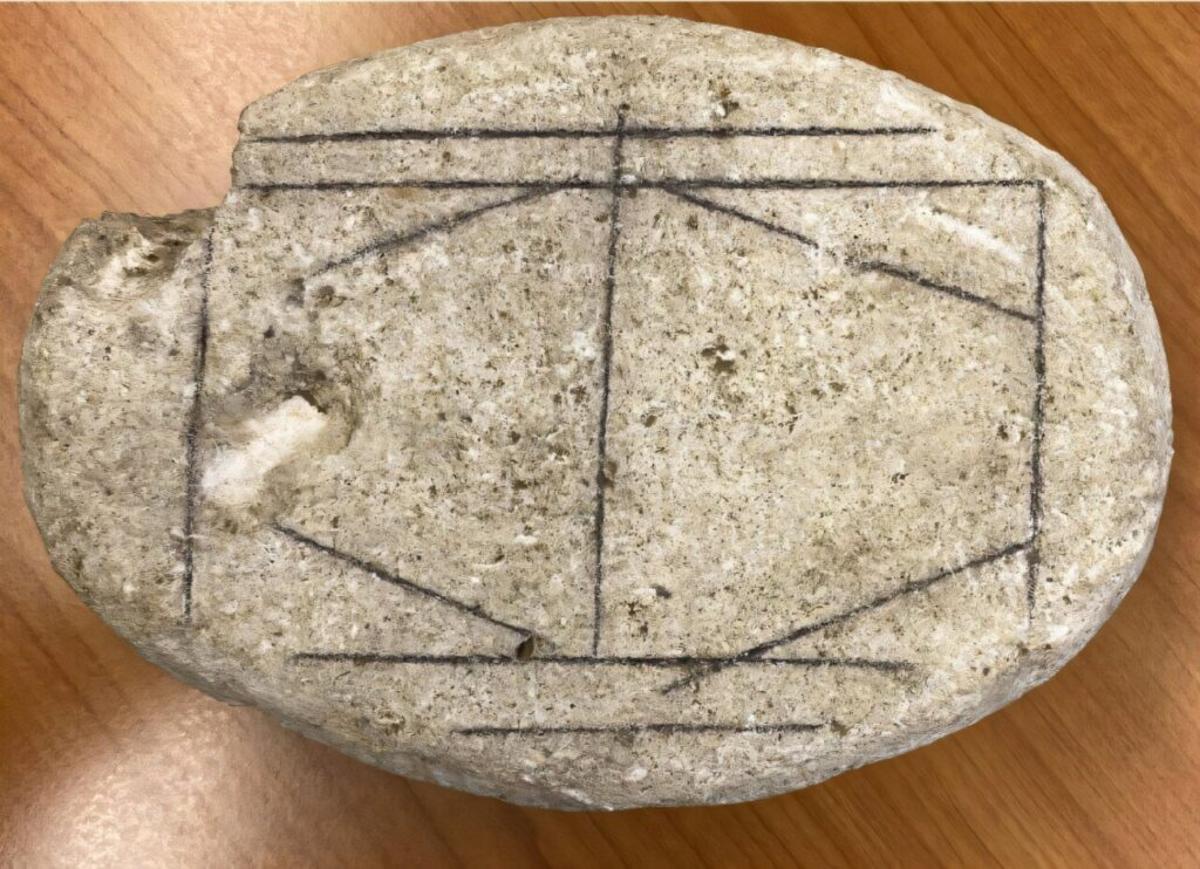
AI Figures Out the Rules of a Mysterious 2,000-Year-Old Board Game From Ancient Rome
•March 9, 2026
0
Companies Mentioned

Why It Matters
The breakthrough demonstrates how AI can resolve longstanding archaeological puzzles, deepening our understanding of Roman leisure culture. It also creates new avenues for heritage education and interactive experiences.
Key Takeaways
- •AI reconstructed rules for 2,000-year-old Roman board game
- •Ludii simulations matched wear patterns on stone board
- •Hunter uses four pieces; prey uses two pieces
- •Findings revive ancient leisure and inform archaeological methods
- •Open-source rule set available for modern playtesting
Pulse Analysis
Artificial intelligence is reshaping archaeological methodology, and the recent Ludii‑driven analysis of a Roman stone board exemplifies this shift. Researchers first performed microscopic use‑wear examinations to confirm the board’s gaming function. They then programmed AI agents to play countless rule variations, filtering those that reproduced the observed abrasion. The process converged on a simple yet elegant mechanic: a hunter piece set tries to immobilize a prey piece, swapping roles each round. This computational approach not only solved a two‑millennium‑old mystery but also validated AI as a reliable tool for reconstructing lost cultural practices.
Understanding the game’s rules opens a window into everyday Roman life beyond monumental architecture and military exploits. Board games were a common pastime across the empire, fostering social interaction in taverns, homes, and public spaces. By reviving a specific hunting‑prey dynamic, scholars gain insight into themes of competition, strategy, and communal entertainment that resonated with ancient citizens. The discovery also enriches the broader narrative of board‑game evolution, linking Roman play to later European variants such as nine‑men’s morris and highlighting cross‑regional influences.
The implications extend to public engagement and the commercial heritage sector. The authors released the rule set and board layout under an open‑source license, inviting educators, game designers, and enthusiasts to recreate the experience digitally or physically. Such accessible reconstructions can fuel museum exhibits, classroom curricula, and niche gaming markets focused on historical authenticity. As AI continues to assist in deciphering fragmented artifacts, we can expect a surge of interactive content that bridges academic research with popular culture, turning ancient leisure into a modern learning platform.
AI Figures Out the Rules of a Mysterious 2,000-Year-Old Board Game from Ancient Rome
0
Comments
Want to join the conversation?
Loading comments...