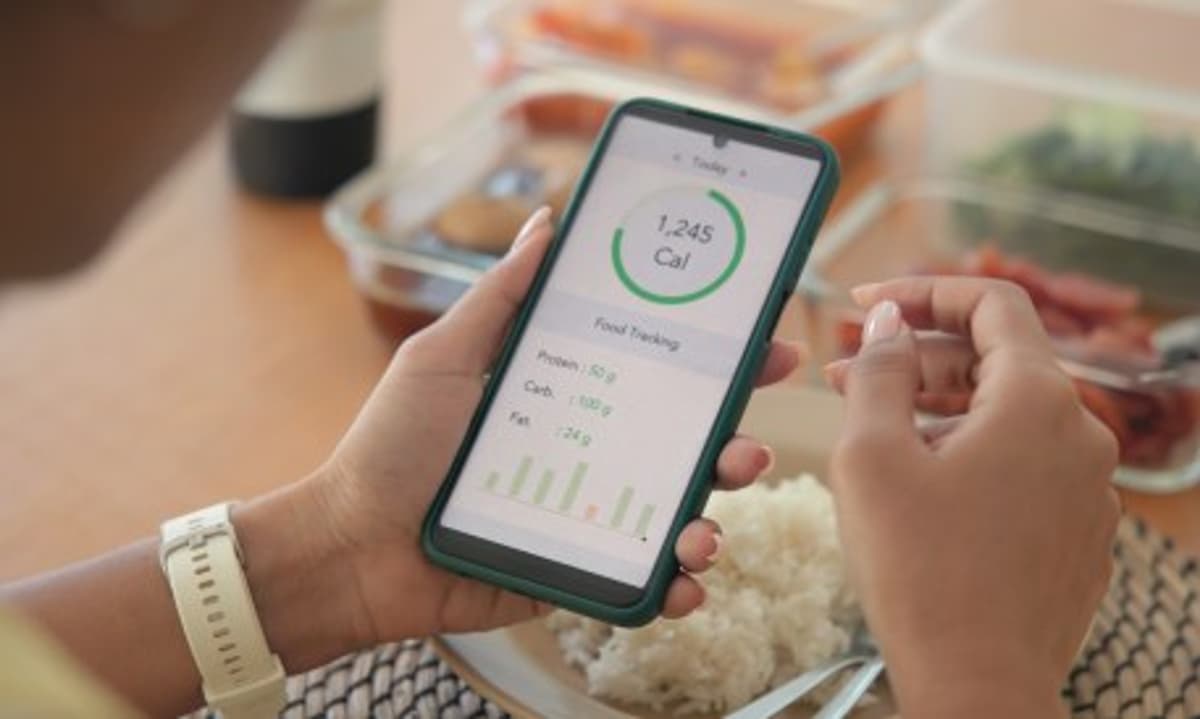
AI Finally Solves the Food Tracking Problem Wearables Ignored
Why It Matters
Photo‑based food logging removes the biggest friction point in digital health, potentially boosting long‑term user retention and unlocking new revenue streams for wearable platforms. Integrating accurate nutrition data strengthens holistic health insights, a competitive advantage as AI health assistants gain consumer trust.
Key Takeaways
- •CalCam uses Gemini 2.0 Flash to identify meals from photos.
- •Photo logging cuts daily entry time, boosting user retention.
- •Switching to Flash cut latency by ~1 second, raised satisfaction 20%.
- •80% of calorie‑tracker users quit within two weeks due to manual entry.
- •AI‑driven nutrition tools poised to grow AI health‑assistant market.
Pulse Analysis
The chronic pain point for digital health has been nutrition tracking. While wearables excel at capturing heart rate, steps, and sleep, they still rely on users to manually log meals—a process that can take up to 23 minutes a day across three to five meals. Studies show that this friction leads to an 80% dropout rate within the first two weeks, leaving a critical data gap that hampers personalized insights and long‑term engagement.
CalCam’s approach reframes food logging as a visual recognition problem. By feeding a single photograph into Google’s Gemini 2.0 Flash multimodal model, the app extracts food items, estimates portion weight, and calculates macronutrients—including sauces and seasonings that users often overlook. The model delivers structured output in near‑real time, shaving roughly one second off latency compared with earlier versions and lifting user satisfaction by 20%. This speed‑accuracy balance is essential for a seamless experience that matches the instant feedback users expect from wearables.
The broader market implications are significant. Holistic platforms that combine workout, recovery, and nutrition data have already shown higher retention rates, and AI‑driven nutrition tools are poised to become a cornerstone of the emerging AI health‑assistant ecosystem. With one in four U.S. consumers open to AI‑managed wellness information, CalCam’s planned expansion into AI‑generated recipes and personalized coaching could capture a sizable share of the growing AI‑health market, prompting larger wearable manufacturers to integrate similar capabilities or partner with specialized AI providers.
AI Finally Solves the Food Tracking Problem Wearables Ignored
Comments
Want to join the conversation?
Loading comments...