
Why It Matters
The decision underscores how audience backlash can force theater chains to reconsider AI‑driven content distribution, highlighting reputational risk for both exhibitors and advertisers.
Key Takeaways
- •AMC halted AI short after online backlash.
- •Film won Frame Forward festival prize, earned theater run.
- •Pre‑show ads cover under 30% of AMC locations.
- •AI tools Gemini 3.1 and Nano Banana Pro used.
- •Industry debate intensifies over AI’s role in cinema.
Pulse Analysis
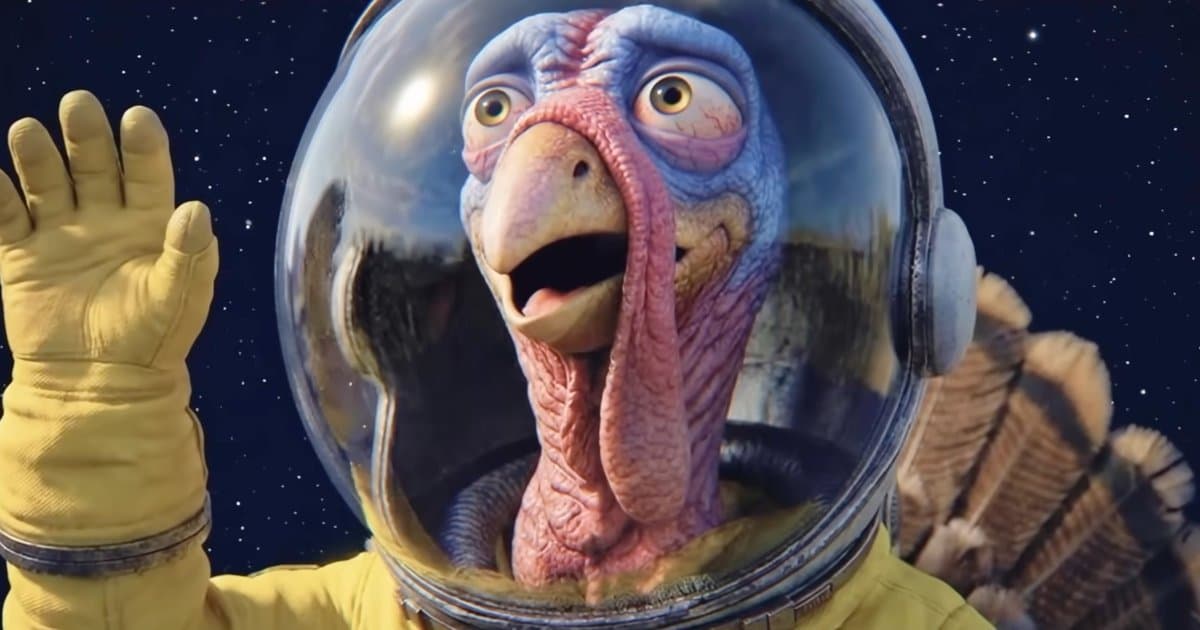
The short film “Thanksgiving Day,” created with Gemini 3.1 for scriptwriting and Nano Banana Pro for visuals, captured the top prize at the inaugural Frame Forward AI Animated Film Festival. As part of the award, the two‑week national run was to appear in AMC’s pre‑show advertising slots, reaching a fraction of the chain’s U.S. screens. Within hours of the announcement, social media erupted with criticism that a machine‑generated cartoon was being given the same platform as blockbuster releases. AMC responded by distancing itself from the initiative and pulling the short from all locations.
The episode highlights a growing tension between emerging AI production tools and traditional cinema distribution models. For theater chains, pre‑show advertising is a revenue‑critical inventory, and any perceived dilution of content quality can erode brand trust. Advertisers and content aggregators such as Screenvision now face heightened scrutiny over vetting processes, while studios eye AI‑generated assets as cost‑effective alternatives. The earlier Runway AI Film Festival screenings at IMAX drew similar criticism, suggesting that audience backlash is not isolated but reflects broader concerns about artistic authenticity and commercial integrity.
Looking ahead, the industry will need clear guidelines that balance innovation with audience expectations. Curated AI festivals may thrive if positioned as experimental showcases rather than mainstream programming. Meanwhile, theater operators are likely to adopt stricter approval workflows, possibly involving human oversight committees, to safeguard their reputations. As generative models become more sophisticated, the line between creative assistance and full‑autonomous filmmaking will blur, prompting regulators, unions, and guilds to define new standards for credit, compensation, and disclosure. The AMC incident serves as an early warning that consumer sentiment can quickly dictate the commercial viability of AI‑driven cinema.
AI-Generated Film Pulled From AMC Cinemas
0
Comments
Want to join the conversation?
Loading comments...