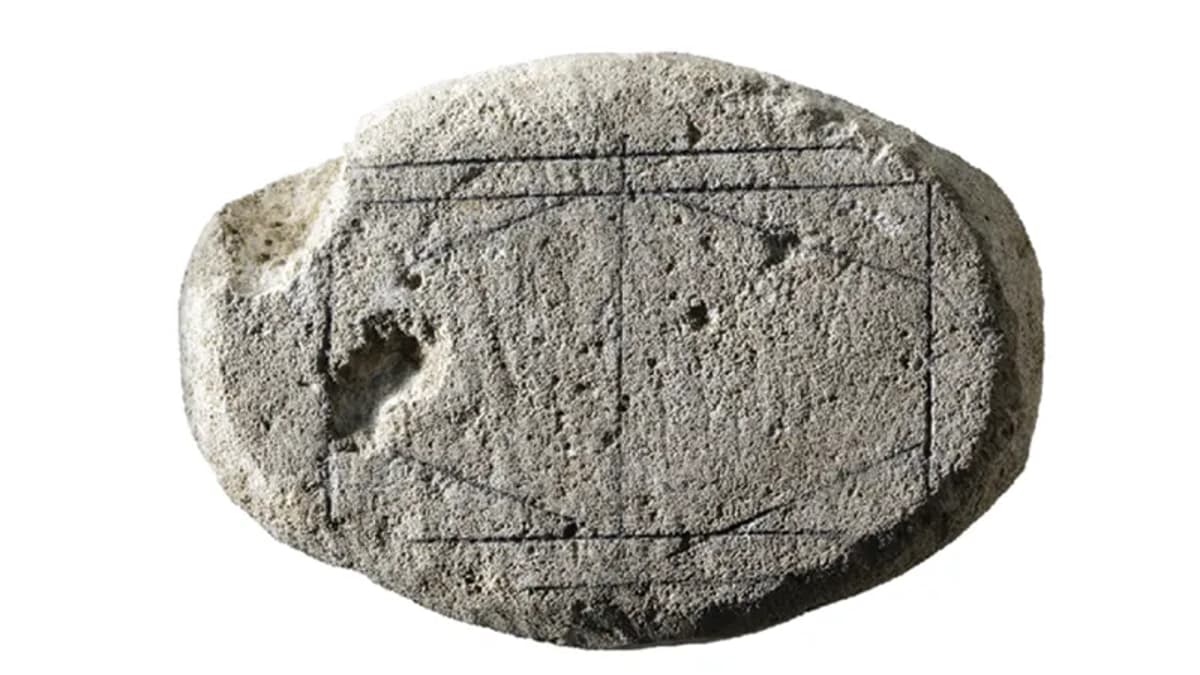
AI Helps Archaeologists Solve a Roman Gaming Mystery
•February 10, 2026
0
Why It Matters
The discovery reshapes our view of Roman social life and proves AI can unlock hidden aspects of archaeological artifacts, accelerating heritage research.
Key Takeaways
- •AI simulated 100+ rule sets to match board wear.
- •Identified a two‑player blocking game, Ludus Coriovalli.
- •Romans may have played blocking games before Middle Ages.
- •Method can decode other lost ancient games.
- •Findings may revise interpretations of Roman social life.
Pulse Analysis
Artificial intelligence is rapidly becoming a cornerstone of modern archaeology, offering tools that go beyond traditional typology and carbon dating. In the recent study of a 20‑centimetre limestone board from the Roman town of Coriovallum, researchers employed the Ludii game‑description platform to generate thousands of virtual matches. By comparing simulated wear patterns with the actual grooves, the AI pinpointed a plausible rule set, effectively resurrecting a game that vanished from the historical record. This approach illustrates how computational modeling can translate physical traces into actionable cultural insights.
The identification of a Roman blocking game challenges long‑standing assumptions that such strategic play emerged only in medieval Europe. Blocking games, where players aim to restrict opponents’ moves, are a hallmark of later pastimes like Go and Dominoes. Discovering a predecessor in the Roman era suggests a more sophisticated leisure culture, potentially linked to social status, education, or military training. It also prompts scholars to re‑examine graffiti and other ambiguous artifacts that might represent similar lost games, expanding the narrative of ancient recreation.
Beyond this single case, the AI‑driven methodology signals a broader shift toward data‑rich archaeology. Researchers can now apply machine‑learning algorithms to pottery markings, architectural layouts, and even DNA fragments to infer usage patterns and cultural practices. As museums and heritage institutions digitize collections, the synergy between computational power and domain expertise will accelerate the reconstruction of forgotten traditions, creating new content for education, tourism, and digital entertainment. The convergence of AI and archaeology thus promises both scholarly breakthroughs and commercial opportunities in the heritage sector.
AI helps archaeologists solve a Roman gaming mystery
0
Comments
Want to join the conversation?
Loading comments...