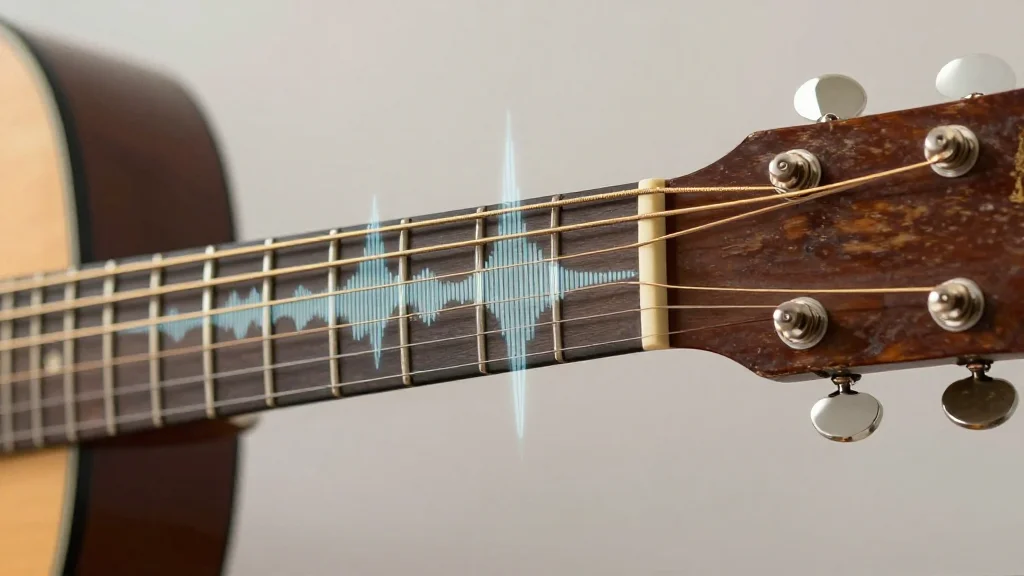
AI Helps Parkinson’s Musician Finish Album, Showcasing Therapeutic Creativity

Companies Mentioned
Why It Matters
Smith’s case illustrates a shift in how generative AI is evaluated—not just as a commercial disruptor for the music industry, but as a personal assistive technology that can extend the productive lives of creators with disabilities. By demonstrating that AI can translate a humming sketch into a usable demo, the story opens a dialogue about accessibility, intellectual property, and the ethical design of creative tools. If AI can help musicians maintain output despite neurodegenerative disease, it could similarly support writers, visual artists, and other creators whose physical capabilities are compromised. The legal backdrop—major labels suing AI platforms—adds urgency to the conversation. Settlements and partnerships between labels and AI firms may pave the way for licensing frameworks that balance copyright protection with the therapeutic promise of AI. Policymakers, healthcare providers, and the creative community will need to collaborate to ensure that AI’s benefits are equitably distributed while respecting artists’ rights.
Key Takeaways
- •Samuel Smith used Suno and Udio to generate demos for the track “Horizon” after Parkinson’s limited his guitar playing.
- •Smith required 50‑150 AI attempts and extensive editing to produce a demo that matched his style.
- •The AI demos enabled collaboration with Grammy‑winning musicians such as Jerry Douglas and Julian Lage.
- •Sony, Universal and Warner sued Suno and Udio in June 2024; Universal and Warner later settled and partnered with the platforms.
- •Smith’s experience highlights AI’s therapeutic potential for creators with disabilities.
Pulse Analysis
The intersection of health‑focused AI applications and the music industry’s copyright wars creates a nuanced battleground. Historically, assistive technologies have been siloed from mainstream creative tools, but generative AI blurs that line by offering real‑time compositional assistance. Smith’s workflow—humming into a phone, iterating through AI, and delivering a polished demo to session musicians—mirrors a future where AI becomes an extension of the artist’s body, especially for those whose motor functions decline. This could drive a new market segment: AI‑enabled therapeutic suites tailored for artists, funded by a mix of health insurers and creative grants.
From a competitive standpoint, the settlements between major labels and AI platforms signal a pragmatic shift. Rather than fighting outright, the industry is moving toward licensing models that monetize AI training data while granting artists controlled access to generative tools. If these frameworks prove viable, they could alleviate the legal uncertainty that currently hampers broader adoption of AI in music creation. Companies that can demonstrate robust, ethically sourced datasets and transparent royalty mechanisms will likely capture the next wave of creator‑centric AI services.
Looking forward, the key question is scalability. Smith’s success required significant trial‑and‑error and personal perseverance. For AI to become a mainstream therapeutic aid, platforms must lower the iteration barrier—through better prompt engineering, adaptive learning to a user’s style, and integrated accessibility features. As healthcare providers begin to recognize creative expression as a component of well‑being, partnerships between AI firms and medical institutions could institutionalize this support, turning stories like Smith’s from rare anecdotes into a standard part of chronic‑illness care.
AI Helps Parkinson’s Musician Finish Album, Showcasing Therapeutic Creativity
Comments
Want to join the conversation?
Loading comments...