AI in Nature Conservation: Powerful Tool or Dangerous Shortcut?
Companies Mentioned
Why It Matters
AI could dramatically improve conservation efficiency, but unchecked deployment risks flawed decisions and social backlash, threatening both ecosystems and the communities that depend on them.
Key Takeaways
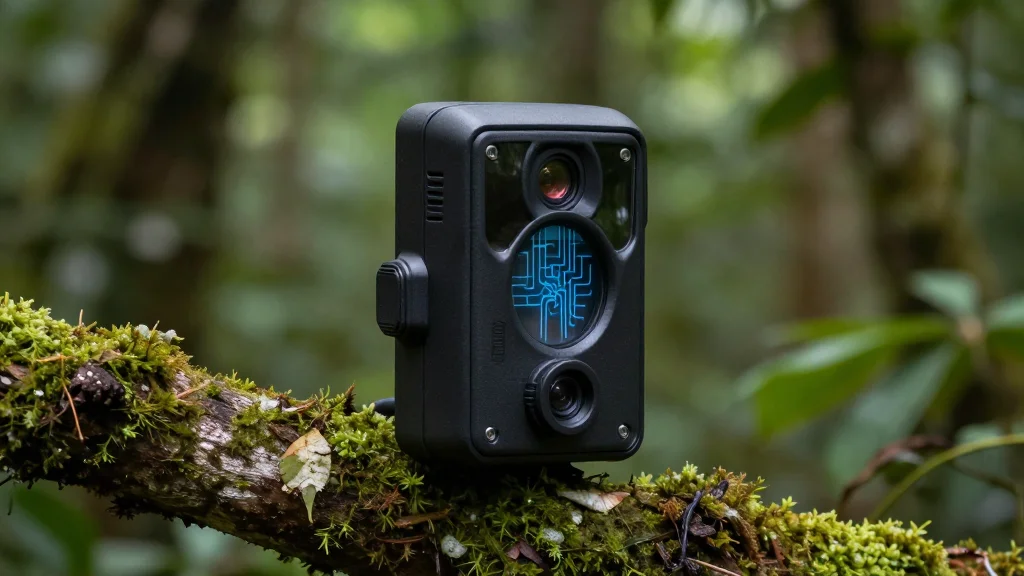
- •AI accelerates wildlife tracking via image‑recognition from camera traps
- •Chatbots can flag illegal wildlife trade online in real time
- •AI‑driven deforestation models enable proactive land‑use planning
- •Bias and fabricated outputs risk misguiding conservation decisions
- •Regulatory safeguards and dataset transparency are essential for ethical AI use
Pulse Analysis
The surge of artificial intelligence in conservation reflects a broader shift toward data‑intensive environmental management. Traditional workflows—manual sorting of weather logs, field observations, and specimen catalogues—are increasingly bottlenecks for researchers confronting climate‑driven biodiversity loss. AI‑powered image‑recognition can sift through millions of camera‑trap photos, populating platforms like Wildlife Insights and feeding predictive models that anticipate species migrations or habitat shifts. Similarly, large‑language models can scan online marketplaces and scientific literature, flagging illegal wildlife trade or summarizing extinction risk assessments in minutes, thereby freeing scientists to focus on strategic interventions.
Yet the technology’s promise is tempered by significant pitfalls. Generative AI systems are prone to hallucinations, producing confident yet fabricated data that can mislead policy makers. Training datasets often over‑represent research from affluent northern institutions, embedding systemic bias that marginalizes indigenous knowledge and low‑income regions. Surveillance applications—such as AI‑driven poaching detection—risk alienating local communities, prompting resistance or sabotage. Moreover, reliance on automated identification threatens the dwindling pool of taxonomists, potentially eroding the expertise needed to validate and improve AI models.
To harness AI responsibly, the conservation sector must embed rigorous governance frameworks. Mandatory disclosure of prompt histories, transparent documentation of training data provenance, and independent validation protocols can curb misinformation. Standards that require human oversight, especially for high‑stakes decisions like land‑use planning or species protection, will preserve critical ecological judgment. By pairing cutting‑edge algorithms with clear ethical safeguards and community engagement, AI can become a powerful ally rather than a shortcut that undermines biodiversity goals.
AI in nature conservation: Powerful tool or dangerous shortcut?
Comments
Want to join the conversation?
Loading comments...