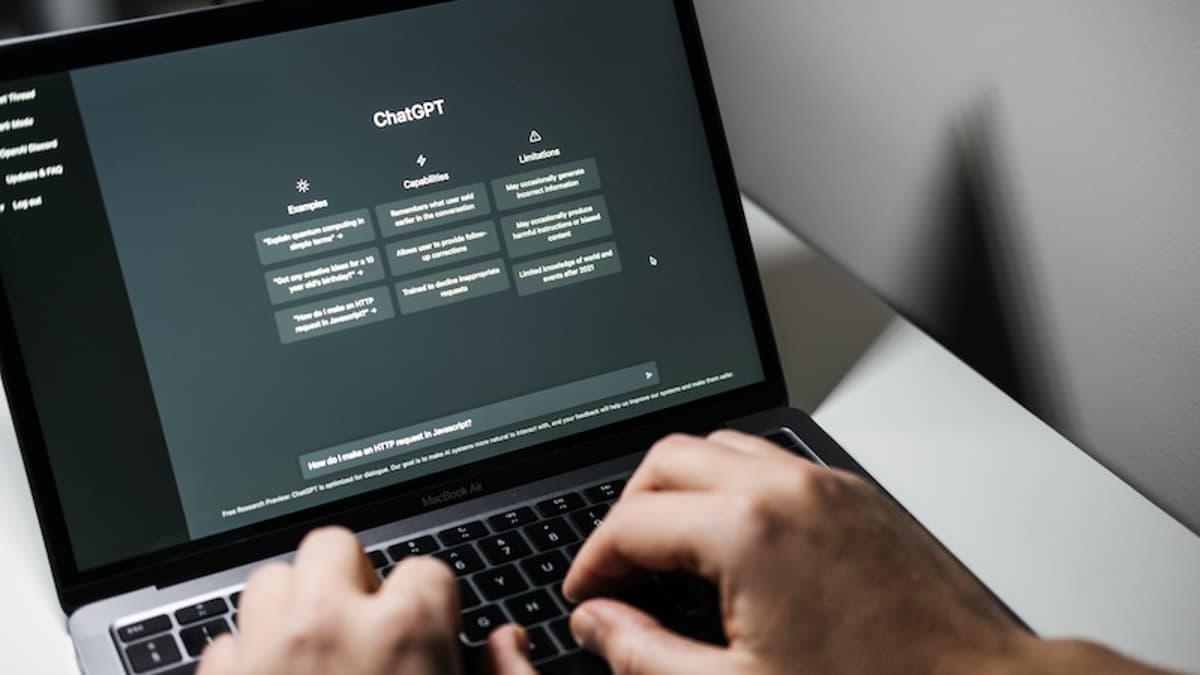
AI Is Helping Litigants in Person Draft Better Submissions, Says Lady Chief Justice
Why It Matters
AI‑driven drafting can streamline civil proceedings, lowering costs and court backlogs while expanding access to justice for those without legal representation.
Key Takeaways
- •Judges find AI‑drafted litigant submissions clearer and more concise.
- •AI assistance may mitigate delays linked to self‑represented parties.
- •Courts stress AI supports drafting, not decision‑making.
- •England‑Wales judiciary leads globally with early AI guidance.
Pulse Analysis
Self‑representation has long been a pain point in the UK civil justice system, where untrained parties often submit lengthy, poorly structured documents that strain judicial resources. Recent testimony from Lady Chief Justice Baroness Carr highlights a shift: AI-powered drafting tools are enabling litigants in person to generate concise, well‑organized submissions. By automating routine language and flagging inconsistencies, these tools reduce the cognitive load on both the litigant and the court, creating a more level playing field for those who cannot afford counsel.
The efficiency gains extend beyond individual cases. Judges who receive AI‑enhanced filings report faster comprehension and reduced need for remedial directions, which can translate into shorter case timelines and lower litigation costs. In a climate of shrinking legal aid budgets, such technology offers a pragmatic avenue to maintain access to justice. Moreover, England and Wales' proactive issuance of AI guidance positions the jurisdiction ahead of many peers, signaling to law firms and tech providers that regulatory clarity is forthcoming, encouraging responsible innovation.
Nevertheless, the judiciary remains cautious. While AI can handle the "laundry" of document preparation, judges stress that decision‑making remains a human function, guarding against over‑reliance on algorithmic outputs. Ongoing training for district judges, coupled with robust pro bono support, will be essential to ensure AI tools are used ethically and effectively. Future policy will need to balance innovation with safeguards, potentially shaping a new standard for digital assistance in the courts.
AI is helping litigants in person draft better submissions, says Lady Chief Justice
Comments
Want to join the conversation?
Loading comments...