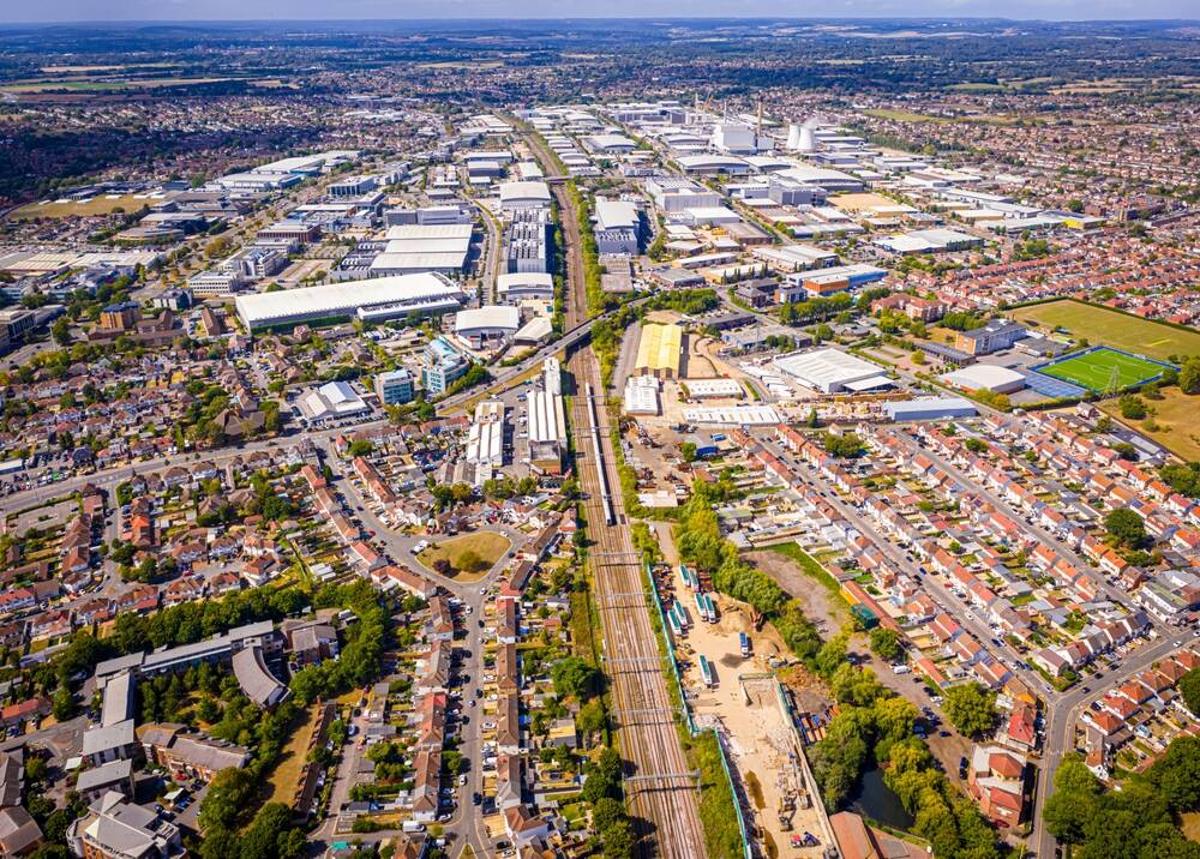
AI Is Reshaping Britain's Datacenter Map Away From London
Companies Mentioned

Why It Matters
The migration of AI‑focused datacenters away from London alleviates power bottlenecks, diversifies regional tech ecosystems, and aligns infrastructure investment with the UK’s broader AI strategy.
Key Takeaways
- •London hosts over 80% of UK datacenter capacity today
- •Power shortages and land limits push AI workloads northward
- •Pulsant urges geography decisions based on latency and power profile
- •Government AI Growth Zones offer planning fast‑track and grid priority
- •OpenAI halted UK Stargate project citing energy costs and regulation
Pulse Analysis
The United Kingdom has long concentrated its server farms around Greater London, a legacy of proximity to financial markets and dense connectivity. However, the rapid expansion of artificial‑intelligence models has exposed a critical mismatch between demand and the region’s electrical grid capacity. As cloud and colocation firms report that West London is approaching saturation, the search for affordable, reliable power is becoming a decisive factor for AI operators, often outweighing the traditional low‑latency advantage of the capital. This evolving calculus is reshaping investment decisions across the sector, prompting a reevaluation of where to locate high‑performance compute clusters.
In response, the UK government’s AI Opportunities Action Plan has introduced AI Growth Zones—designated campuses that promise expedited planning consent and preferential grid access. By coupling these zones with targeted energy pricing support, policymakers aim to steer developers toward regions with surplus generation, such as Scotland’s wind‑rich north. The initiative not only mitigates transmission constraints but also leverages renewable resources to lower overall electricity costs. Such policy tools reflect a broader strategy to distribute digital infrastructure, reduce regional disparities, and safeguard the nation’s energy system against the escalating power draw of AI workloads.
Industry players are already adjusting their roadmaps. Pulsant’s chief marketing officer emphasizes a shift from defaulting to London toward site selection based on workload latency tolerance and power availability. The recent decision by OpenAI to suspend its Stargate data‑center project in the UK, citing high energy prices and regulatory hurdles, underscores the financial stakes involved. As AI continues to drive compute demand, the migration toward peripheral locations is likely to accelerate, fostering new tech hubs, stimulating local economies, and potentially setting a template for other nations grappling with similar power‑grid challenges.
AI is reshaping Britain's datacenter map away from London
Comments
Want to join the conversation?
Loading comments...