Why It Matters
AI‑enabled development amplifies the risk of credential theft and malicious code injection, threatening the integrity of enterprise software pipelines. Addressing this gap is essential for protecting revenue‑critical applications and maintaining customer trust.
Key Takeaways
- •AI coding agents auto‑install packages, widening developer workstation attack surface.
- •Traditional EDR/MDM tools miss AI plugins, browser extensions, and transitive dependencies.
- •Malicious open‑source packages detected rose from 20k to 100k daily in a year.
- •Real‑time install monitoring and centralized approval curb supply‑chain threats.
Pulse Analysis
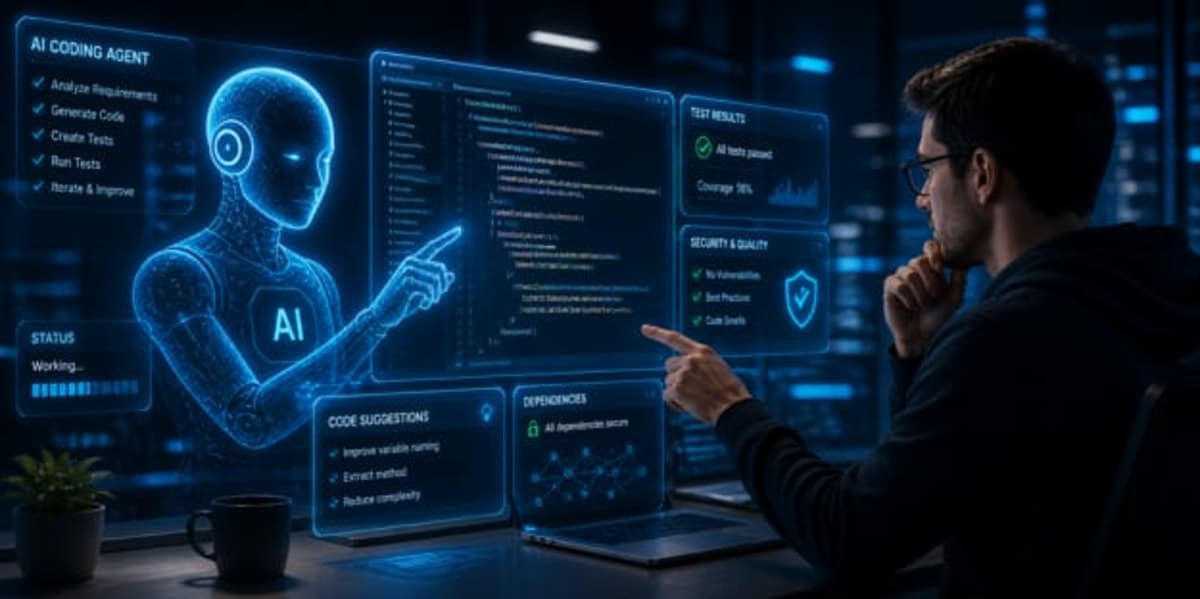
The rise of AI‑assisted development is reshaping the software supply chain landscape. Surveys show that a staggering 84% of developers are already leveraging AI tools, from code generators to IDE assistants. While these agents accelerate delivery, they also act as autonomous actors that fetch dependencies, invoke build tools, and embed credentials without human oversight. This automation expands the attack surface on developer machines, which often house privileged tokens, SSH keys, and Kubernetes configurations, turning a single compromised workstation into a gateway for widespread compromise.
Security teams are finding their traditional defenses—endpoint detection and response (EDR) and mobile device management (MDM)—inadequate for the new reality. These solutions focus on the operating system layer, yet AI plugins, browser extensions, and package managers operate outside their visibility. Recent incidents, such as the Vercel breach, illustrate how third‑party trust relationships can cascade risk across ecosystems. Moreover, Aikido Security reports a five‑fold jump in daily malicious package detections, from 20,000 to 100,000, underscoring how attackers exploit AI to automate supply‑chain attacks at scale.
Mitigating this evolving threat requires a shift to point‑of‑install controls and real‑time governance. Organizations should enforce minimum package age policies, centralize approval workflows for AI tools, and continuously monitor extensions and transitive dependencies. By integrating visibility into the developer environment—tracking which AI agents are active and what they install—security teams can block malicious code before it reaches repositories or CI/CD pipelines. This proactive stance not only reduces the likelihood of credential theft but also preserves developer productivity, striking a balance between innovation and risk management.
AI Is Reshaping Software Supply Chain Risk
Comments
Want to join the conversation?
Loading comments...