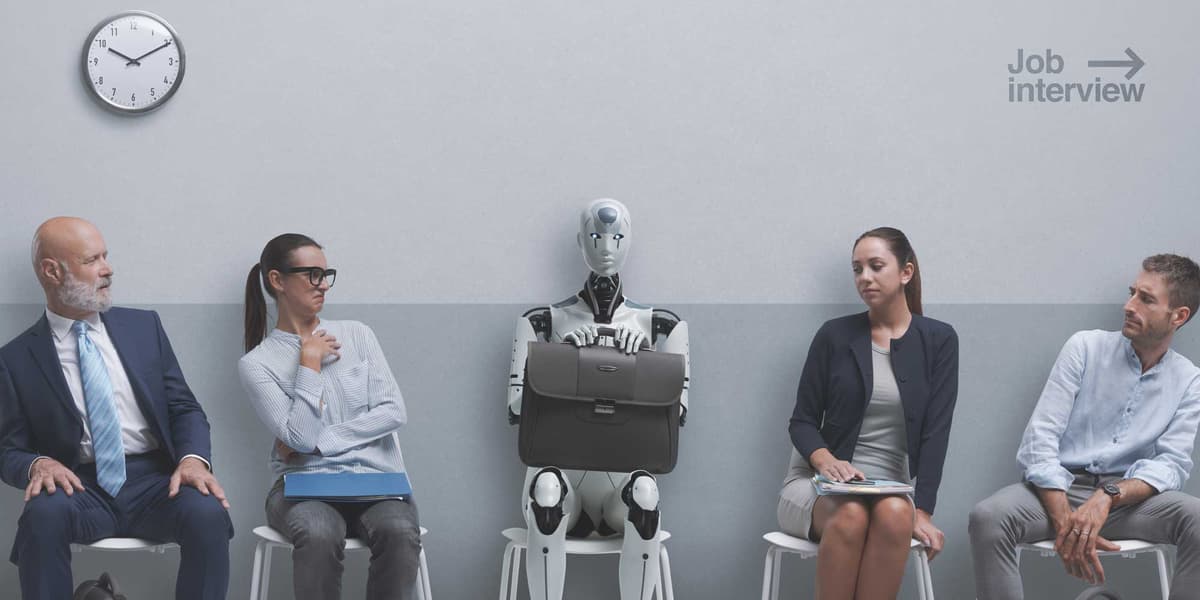
AI Isn't Killing Jobs, It's 'Unbundling' Them Into Lower-Paid Chunks
Why It Matters
Understanding AI’s unbundling effect helps firms and policymakers anticipate labor market shifts, rather than assuming wholesale job loss. It highlights where reskilling and wage adjustments are most needed.
Key Takeaways
- •AI splits tasks, creating “weak” and “strong” job bundles
- •Weak bundles see role narrowing, potentially lower wages
- •Strong bundles retain value, often boosting productivity and pay
- •Efficiency gains can reduce headcount despite higher output
Pulse Analysis
The concept of "unbundling" reframes the AI‑automation debate by focusing on task granularity rather than whole‑job replacement. Economists have long modeled occupations as bundles of interdependent activities; when AI can isolate and automate low‑skill components, the remaining work becomes more specialized and often less valued. This dynamic explains why early AI deployments have not triggered massive layoffs, but have subtly reshaped compensation structures, especially in sectors like customer support and routine software development where tasks are easily compartmentalized.
For strong‑bundle occupations—those requiring judgment, context, and responsibility—AI acts as an augmentative tool. Radiologists, lawyers, and senior engineers can leverage machine‑learning insights to make faster, more accurate decisions, which typically translates into higher productivity and, consequently, higher wages. The key insight is that AI does not replace the human element in these roles; it enhances it, preserving the core bundle while offloading repetitive sub‑tasks. Companies that recognize this can design hybrid workflows that maximize both efficiency and employee satisfaction.
Policymakers should therefore tailor interventions to the bundle type. Weak‑bundle workers may benefit from targeted upskilling programs that expand their skill set beyond the automated slice, while strong‑bundle professionals might require frameworks that ensure equitable sharing of AI‑driven productivity gains. By anticipating the nuanced impact of AI on job structures, businesses can better manage talent pipelines, and governments can craft labor policies that mitigate displacement risks while fostering innovation. This nuanced view moves the conversation beyond doom‑laden forecasts toward actionable strategies for a rapidly evolving workforce.
AI isn't killing jobs, it's 'unbundling' them into lower-paid chunks
Comments
Want to join the conversation?
Loading comments...