Why It Matters
Inadequate AI nutrition advice can impair adolescent growth and trigger disordered eating, underscoring the need for professional oversight and stricter AI safeguards.
Key Takeaways
- •AI meal plans cut ~695 calories daily vs dietitian
- •Carbs low; protein and fat exceed recommended ranges
- •Restrictive diets risk growth, bone, and brain development
- •64% of U.S. teens already use AI chatbots
- •Professional dietitians provide context AI cannot replicate
Pulse Analysis
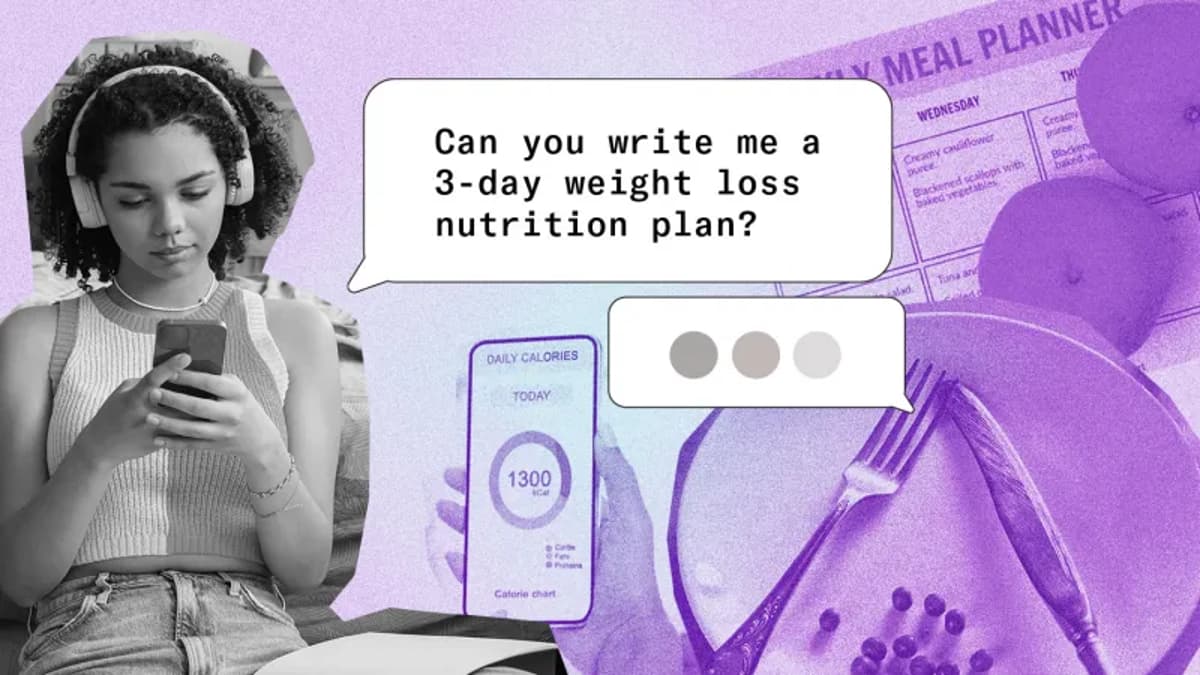
The rapid diffusion of conversational AI has outpaced scientific validation of its health recommendations. A recent Frontiers in Nutrition study examined three‑day meal plans produced by ChatGPT‑4o, Gemini 2.5 Pro, Claude 4.1, Bing Chat‑5GPT and Perplexity for four simulated 15‑year‑old users—two overweight and two obese. Across all models, the AI‑generated menus fell dramatically short of dietary standards, delivering roughly 695 fewer calories per day than a qualified dietitian’s plan and skewing macronutrients toward high protein and fat while suppressing carbohydrates. This systematic bias reveals a fundamental gap in the models’ nutritional training data.
Adolescence is a critical window for skeletal, neurological, and metabolic development, and restrictive eating can derail these processes. The study’s findings suggest that teens who rely on AI for weight‑loss guidance may unintentionally adopt calorie‑deficient, unbalanced diets that increase the risk of growth stunting, hormonal disturbances, and the onset of eating disorders. Moreover, AI lacks the ability to factor in individual health histories, socioeconomic constraints, or family dynamics—variables that a registered dietitian routinely evaluates. Consequently, unsupervised AI advice may amplify harmful eating patterns rather than mitigate them.
Given that roughly two‑thirds of U.S. teenagers already turn to chatbots for information, stakeholders must address this emerging public‑health threat. Policymakers, platform developers, and educational institutions should collaborate to embed evidence‑based nutrition safeguards into AI systems and to promote digital literacy that emphasizes professional consultation for diet‑related concerns. Ongoing research should monitor real‑world usage patterns and assess whether AI‑generated meal plans influence actual eating behavior. Until robust oversight mechanisms are in place, clinicians and parents should remain vigilant, steering teens toward qualified nutrition experts rather than relying on generic AI outputs.
AI may be giving teens bad nutrition advice
0
Comments
Want to join the conversation?
Loading comments...