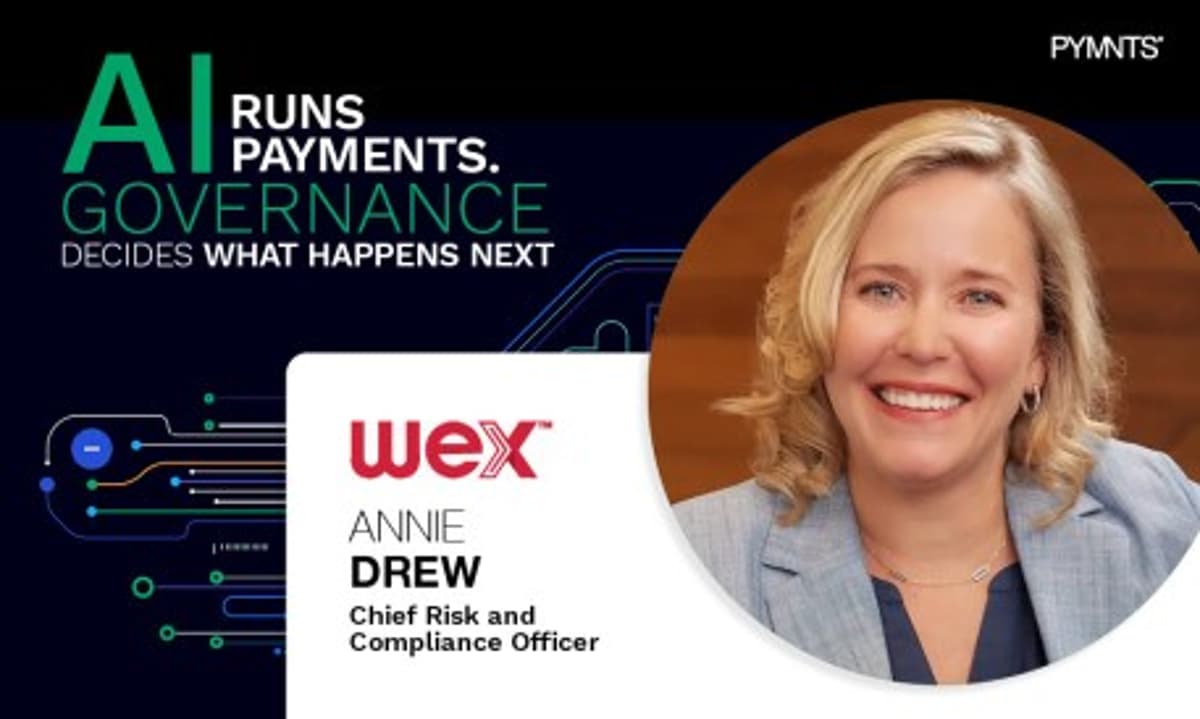
AI May Run Payments but Humans Still Own the Risk
Companies Mentioned
Why It Matters
Strong AI governance safeguards trust, reduces regulatory exposure, and enables scalable innovation across the payments ecosystem.
Key Takeaways
- •AI accelerates fraud detection and transaction processing in payments
- •Governance must be built into AI design, not added later
- •Risk teams need clear accountability for live AI models
- •Cross‑functional collaboration drives reliable, scalable AI adoption
Pulse Analysis
Payments firms are racing to embed artificial intelligence in every layer of their operations, from real‑time fraud scoring to dynamic routing of high‑volume transactions. The technology’s ability to parse massive data streams and surface anomalies in milliseconds promises lower loss rates and faster settlements, directly impacting bottom‑line margins. Yet the same speed that fuels efficiency also amplifies exposure: a mis‑trained model can misclassify legitimate payments, trigger false declines, or even breach emerging data‑privacy rules. As AI moves from sandbox experiments to live transaction flows, the stakes rise dramatically, making robust oversight a competitive necessity.
Governance, however, remains the weak link for many organizations. Early‑stage controls often focus on model development—data quality, bias testing, and performance metrics—while neglecting the operational realities of live environments. Once AI interacts with external data feeds and real money, oversight must evolve to include continuous monitoring, explainability dashboards, and clear escalation paths. The article likens this shift to the GDPR era, where privacy compliance moved from an after‑thought to a core design principle. Risk and compliance leaders, therefore, must partner with data scientists and product managers to embed accountability, audit trails, and transparent decision logic from day one.
The strategic payoff of marrying AI with disciplined governance is substantial. Companies that institutionalize shared‑responsibility frameworks can scale innovations without sacrificing trust, positioning themselves as reliable partners for merchants, banks, and consumers. Human oversight remains essential; executives must retain final authority over high‑impact decisions, ensuring regulatory obligations and brand reputation are protected. As the payments landscape continues to digitize, firms that treat governance as a foundation—not a constraint—will unlock sustainable growth, outpace rivals, and shape the next wave of AI‑driven financial services.
AI May Run Payments but Humans Still Own the Risk
Comments
Want to join the conversation?
Loading comments...