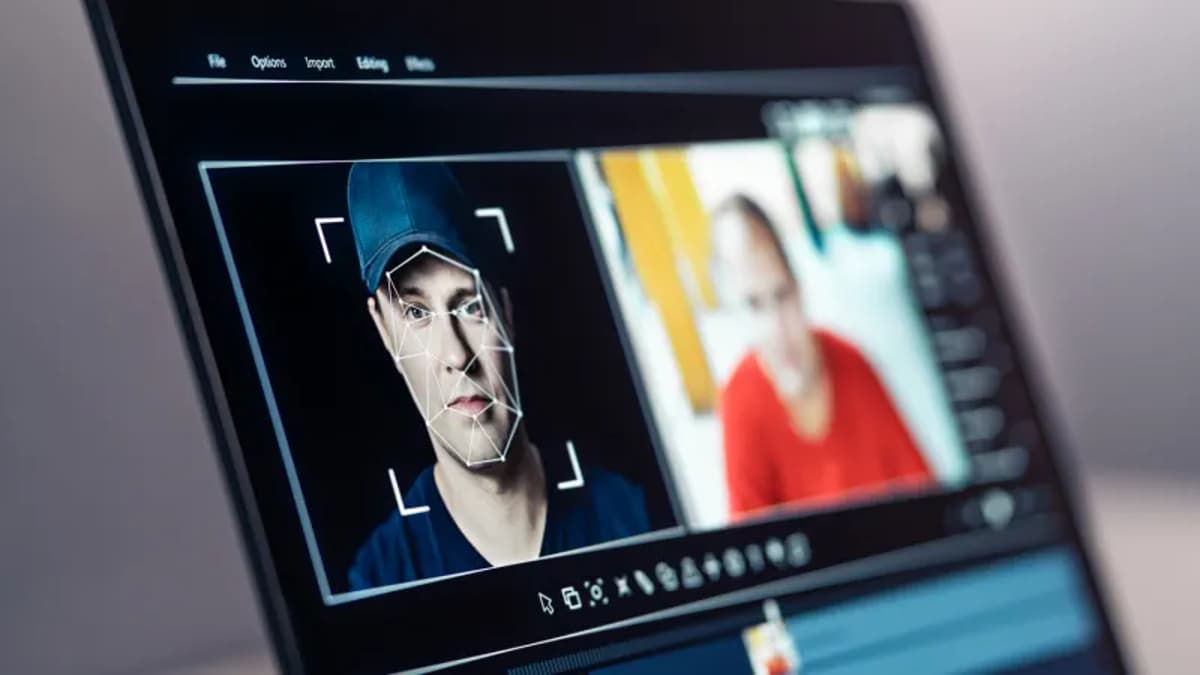
AI Models Spot Deepfake Images, but People Catch Fake Videos
•February 3, 2026
0
Why It Matters
Deepfakes threaten finance, elections, and reputations, so understanding detection strengths informs more resilient security strategies. Combining human intuition with AI precision could curb the spread of malicious synthetic media.
Key Takeaways
- •AI detects deepfake images with up to 97% accuracy.
- •Humans outperform AI on deepfake video detection (63% vs chance).
- •Study involved ~2,200 participants and two machine‑learning models.
- •Collaboration between humans and AI essential to fight deepfakes.
- •Deepfakes already used in fraud, elections, and reputation attacks.
Pulse Analysis
The rapid evolution of synthetic media has turned deepfakes into a pressing cybersecurity concern. While AI‑driven image classifiers can now flag fabricated faces with near‑human precision, their success hinges on static visual cues that are easier to model. Machine‑learning pipelines trained on large datasets learn subtle pixel‑level inconsistencies, delivering 97% accuracy in controlled tests. However, these models often stumble when temporal dynamics and subtle motion artifacts dominate, as seen in video deepfakes.
Human observers bring contextual reasoning and an innate sensitivity to motion anomalies that current algorithms lack. In the recent study, participants achieved a 63% success rate on short video clips, outperforming two state‑of‑the‑art models that hovered around random guessing. This gap highlights the limitations of purely computational approaches and underscores the value of perceptual cues—such as unnatural facial expressions or mismatched lip sync—that humans can detect instinctively. The findings suggest that future detection frameworks must integrate temporal analysis with cognitive insights.
Looking ahead, a hybrid defense strategy appears most promising. By feeding human‑identified red flags into AI systems, researchers can refine model training on the most deceptive video artifacts. Conversely, AI can pre‑filter large image repositories, freeing analysts to focus on nuanced video cases. Policymakers and platform operators should invest in collaborative tools that blend algorithmic speed with human judgment, ensuring a robust response to deepfake‑driven misinformation, financial fraud, and reputational attacks.
AI models spot deepfake images, but people catch fake videos
0
Comments
Want to join the conversation?
Loading comments...