AI Music Is Reviving the Same Fights that Shaped the Player Piano
Companies Mentioned
Why It Matters
Suno’s growth shows AI is becoming a mainstream tool for music creation, while legal challenges could reshape copyright law and compensation models for creators.
Key Takeaways
- •Suno hit $300 M ARR and 2 M paying subscribers.
- •AI‑generated songs now rival human tracks in listener tests.
- •Artists sue over unlicensed training data; major labels settle deals.
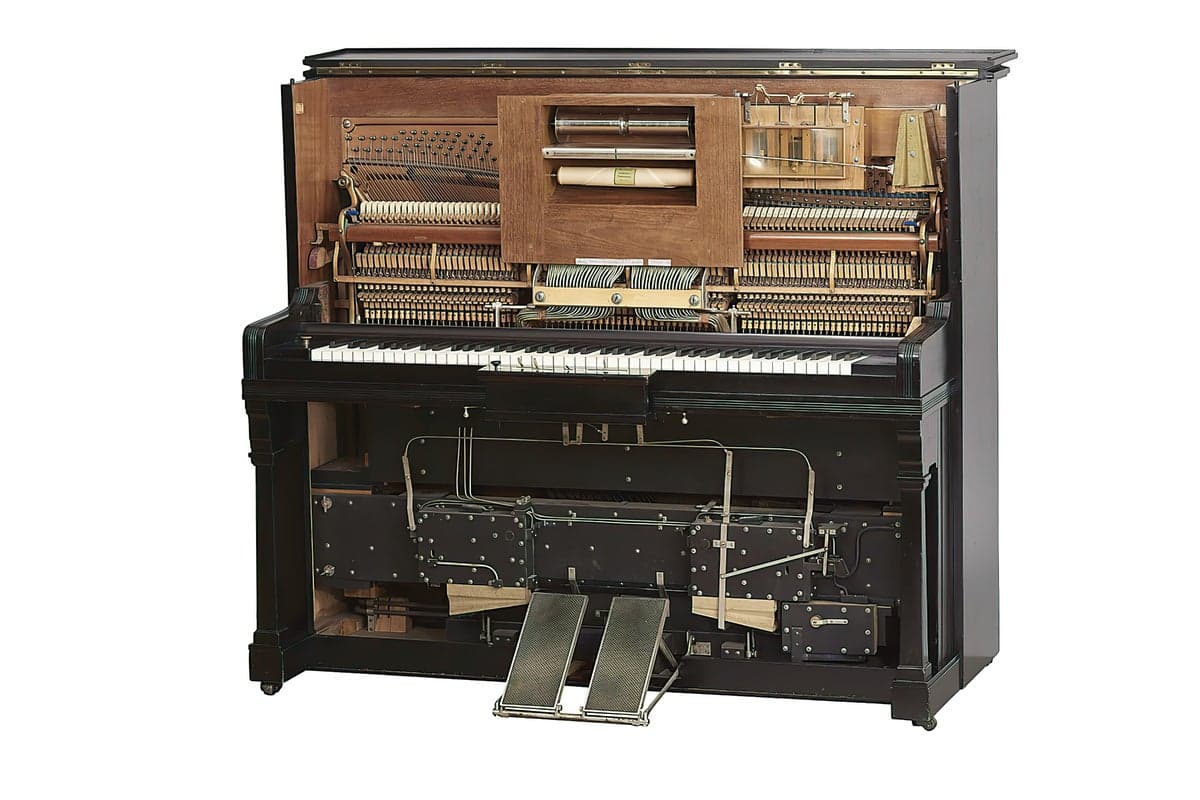
- •Player piano history mirrors today’s AI debate on automation and royalties.
- •Commercial niches like jingles may lose jobs to generative music.
Pulse Analysis
The surge in AI‑driven music platforms is no longer a novelty; Suno’s $300 million ARR and two million paid users illustrate a market that’s quickly monetizing generative tools. By allowing creators to input prompts, edit outputs, and even synthesize personal vocal timbres, the technology lowers barriers for amateurs while offering professionals rapid prototyping capabilities. This democratization expands the pool of content producers, driving new revenue streams for streaming services, advertisers, and media producers who can now source custom tracks at scale.
Legal friction mirrors the early 20th‑century player‑piano controversy, where innovators clashed with composers over mechanical reproductions of copyrighted works. Today, artists allege Suno trained on millions of recordings without consent, prompting lawsuits from Universal, Sony, and indie musicians. Settlements with Warner and Udio hint at a possible industry‑wide licensing framework, yet the core question remains: how to balance fair compensation with the efficiencies of machine‑learning models. Courts may need to revisit doctrines of fair use and mechanical royalties, just as the Supreme Court did in the 1908 piano‑roll case.
Looking ahead, AI music is poised to reshape labor dynamics in the creative economy. While live performance and high‑art composition may retain human relevance, commercial sectors—jingles, podcast intros, and background scores—could see significant job displacement. Conversely, new roles may emerge for curators, prompt engineers, and specialists who blend human artistry with algorithmic output. The industry’s trajectory will likely echo the player‑piano’s legacy: automation spurs both disruption and novel forms of musical work, prompting regulators and creators to co‑evolve.
AI music is reviving the same fights that shaped the player piano
Comments
Want to join the conversation?
Loading comments...