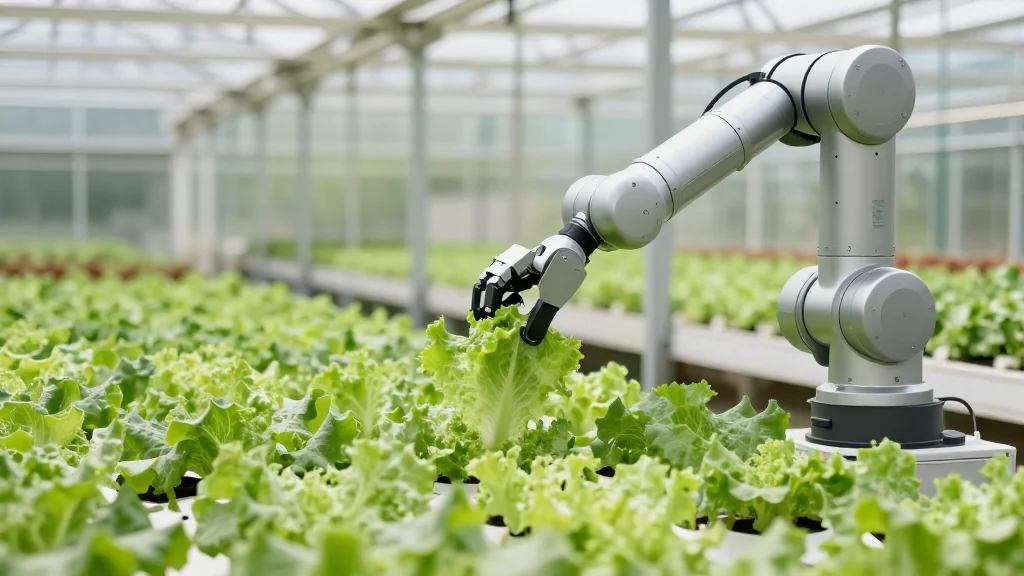
AI Offers Promise for Agriculture, but Smallholder Farmers Risk Being Left Behind
Why It Matters
AI’s uneven rollout could deepen food‑security challenges and exacerbate rural inequality, making policy intervention critical for inclusive growth.
Key Takeaways
- •AI can raise yields and resource efficiency in modern farms
- •Smallholders lack reliable internet, electricity, and affordable devices
- •High AI tool costs and limited credit block adoption in developing regions
- •Models trained on industrial farms often mispredict smallholder conditions
- •Inclusive policies and infrastructure are essential to avoid widening inequality
Pulse Analysis
Global agriculture faces mounting pressure from climate change, labor shortages and a growing population, prompting investors and governments to look toward artificial intelligence for solutions. In high‑income economies, AI‑driven precision farming—using satellite imagery, sensor networks and predictive analytics—has already cut fertilizer use, improved water management and lifted corn yields above 10 tons per hectare. These gains illustrate AI’s capacity to enhance resource efficiency and buffer farms against extreme weather, positioning the technology as a cornerstone of future food security.
In contrast, the 80 percent of farmers who operate as smallholders in low‑ and middle‑income countries encounter a digital divide that stalls AI adoption. Unstable broadband, frequent power outages, and the prohibitive cost of smart devices create a barrier that cannot be solved by technology alone. Moreover, many AI models are trained on data from large, mechanized farms, leading to inaccurate recommendations for mixed‑cropping, rain‑fed plots common in sub‑Saharan Africa and South Asia. Data‑governance gaps further erode trust, as farmers worry about ownership and privacy of the information their fields generate.
Policymakers and development agencies must therefore prioritize foundational infrastructure—reliable electricity, affordable connectivity, and localized data platforms—before scaling sophisticated AI solutions. Financial instruments such as micro‑loans and pay‑per‑use models can lower entry costs, while farmer‑centric training programs ensure digital literacy. When AI tools are adapted to local agronomic conditions and governed transparently, they can become a lever for closing the productivity gap, strengthening food systems, and delivering sustainable growth for the world’s most vulnerable producers.
AI offers promise for agriculture, but smallholder farmers risk being left behind
Comments
Want to join the conversation?
Loading comments...