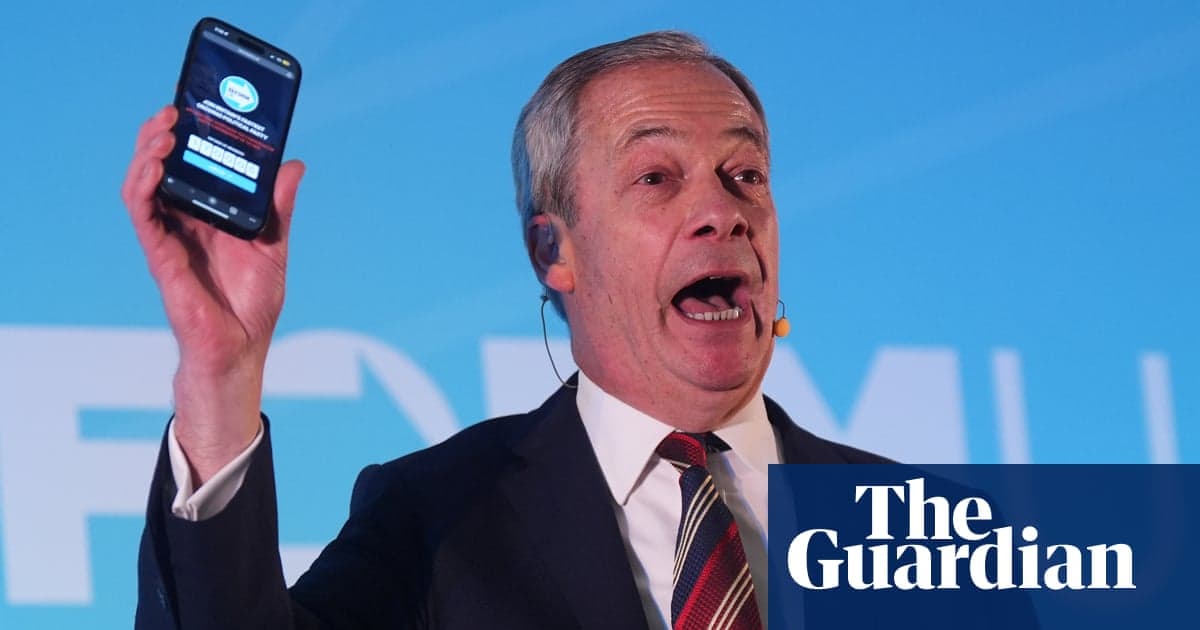
AI Platforms Reference Nigel Farage More than Other Leaders when Prompted on UK Politics, Study Shows

Companies Mentioned
Why It Matters
AI‑driven search tools are becoming primary information sources for voters, so disproportionate visibility for a single party can skew public perception and influence electoral outcomes. The findings highlight a new frontier for political messaging and regulatory scrutiny.
Key Takeaways
- •Reform UK appears in 88% of Google AI Overview results.
- •ChatGPT mentions Farage in 11% of responses, outpacing Starmer.
- •LLMs rely heavily on Facebook, BBC, Parliament site, Wikipedia sources.
- •AI visibility may amplify Reform's social‑media strategy and influence voters.
- •Researchers warn LLMs can be steered by high‑volume disinformation.
Pulse Analysis
The Peec AI analysis underscores how generative AI models are reshaping the political information ecosystem. By processing millions of queries, these models surface content that aligns with the most frequently cited online sources, effectively amplifying voices that dominate social‑media feeds. In the UK context, Reform UK’s aggressive online strategy has translated into a measurable presence in AI‑generated answers, giving Nigel Farage a level of prominence that exceeds traditional party leaders. This dynamic illustrates how algorithmic curation can unintentionally favor well‑orchestrated digital campaigns over balanced political discourse.
Underlying the visibility bias is the models’ reliance on open‑web data, particularly platforms like Facebook, which rank highest among cited sources. When real‑time events fall outside a model’s training set, the systems pull from the most current, high‑traffic content, often lacking rigorous editorial oversight. Consequently, coordinated disinformation efforts—whether domestic or foreign—can flood the data pipeline, nudging AI outputs toward specific narratives. The study’s observation that LLMs gravitate toward frequently appearing information signals a vulnerability that could be exploited by parties with robust social‑media operations.
For policymakers and regulators, the findings raise urgent questions about transparency and accountability in AI‑mediated political communication. As citizens increasingly turn to chatbots for policy insights, ensuring that these tools present a balanced view becomes a matter of democratic integrity. Potential interventions include mandating source disclosure, auditing model training data for bias, and developing standards for political content moderation within AI services. The evolving interplay between AI, media, and politics will likely shape campaign strategies and voter behavior in the years ahead.
AI platforms reference Nigel Farage more than other leaders when prompted on UK politics, study shows
Comments
Want to join the conversation?
Loading comments...