AI-Powered Binoculars Promise Smart Night-Time Discovery
Companies Mentioned
Why It Matters
The product merges night‑vision hardware with AI-driven identification, opening new revenue streams in outdoor recreation, wildlife monitoring and security while setting a precedent for smart optics in consumer markets.
Key Takeaways
- •AI identifies wildlife with up to 98% accuracy
- •4K video, 8MP photos, 300 m detection range
- •Kickstarter price starts at $291, shipping August 2026
- •IP64 rating, nitrogen-filled optics prevent fogging
- •Battery lasts four hours continuous use
Pulse Analysis
Night‑vision technology has traditionally been a niche focused on pure visibility, but the integration of artificial intelligence is reshaping its value proposition. By embedding a trained AI model directly into the binoculars, ScoPix enables users to receive instant contextual information—species names, habitat details, or landmark descriptions—without needing a separate device or post‑processing. This convergence aligns with broader trends in edge computing, where processing power is moving closer to the sensor to reduce latency and dependence on cloud connectivity, a critical advantage for remote fieldwork.
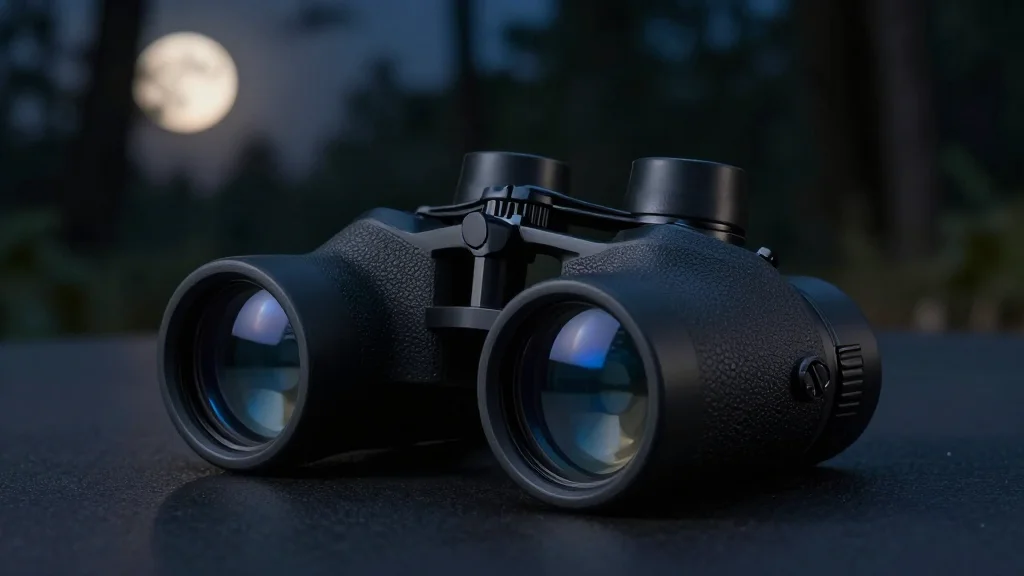
The Starlight‑AI binoculars pack a suite of high‑end hardware features: a Starlight‑grade CMOS sensor paired with a three‑level infrared system delivers clear imagery in near‑total darkness, while 4K video capture and 8‑megapixel stills ensure professional‑grade documentation. An 8× digital zoom and 300 meter detection range give users flexibility across wildlife observation, search‑and‑rescue, and tactical scenarios. The device’s IP64 rating and nitrogen‑filled optics address durability concerns, and a four‑hour battery life balances performance with field practicality. By offering 32 GB of onboard storage, expandable via TF card, ScoPix anticipates the data‑intensive needs of modern explorers.
From a business perspective, launching via Kickstarter allows ScoPix to validate demand, secure early funding, and build a community of enthusiasts who can provide real‑world feedback. Priced at $291, the binoculars sit between premium night‑vision gear and consumer‑grade optics, targeting hobbyists, ecotourism operators, and professional field researchers. If the AI claims hold up under diverse conditions, the product could catalyze a new segment of smart optical devices, prompting established manufacturers to accelerate their own AI integrations. Success will hinge on reliable performance, timely fulfillment, and the ability to scale production beyond the crowdfunding phase.
AI-powered binoculars promise smart night-time discovery
Comments
Want to join the conversation?
Loading comments...