AI Rings on Fingers Can Interpret Sign Language

Why It Matters
A lightweight, wireless sign‑language interface could dramatically improve real‑world communication accessibility for deaf users and open new gesture‑based interaction markets. Its low‑power, edge‑computing design also addresses privacy and latency concerns critical for consumer adoption.
Key Takeaways
- •Seven BLE‑enabled rings capture finger motion for sign translation
- •88% accuracy on 200 ASL/International Sign words, double prior vocabularies
- •Wireless design eliminates cables, allowing unrestricted hand movement
- •Future work targets facial cues, larger vocabularies, and smartphone edge computing
Pulse Analysis
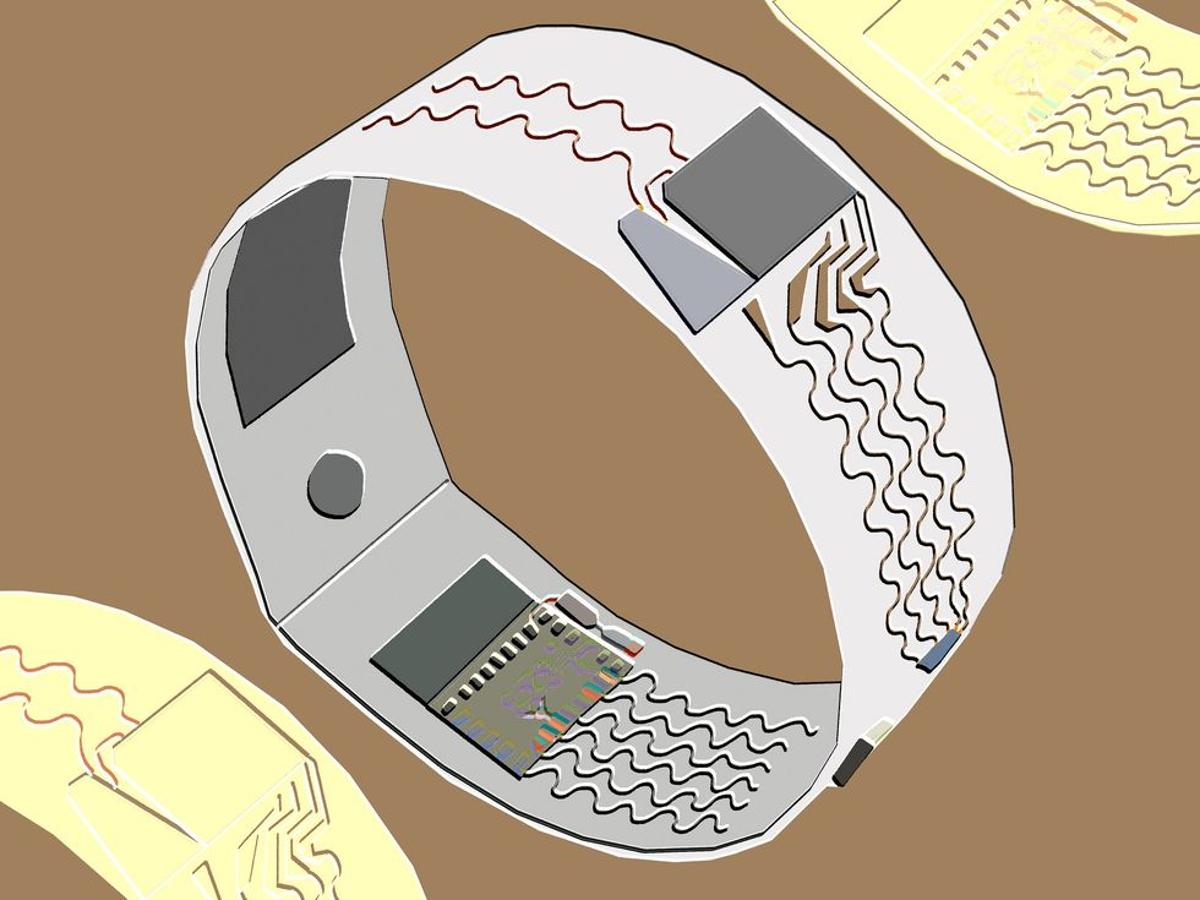
The landscape of sign‑language technology has long been dominated by camera‑based vision systems and bulky smart gloves, both of which struggle with lighting conditions, fixed sensor placement, and user comfort. By moving the sensing element to a ring‑form factor, Yonsei’s engineers sidestep these constraints, leveraging Bluetooth Low Energy SoCs that fit on a flexible substrate. The rings’ accelerometers capture both static postures and dynamic gestures, while serpentine copper interconnects ensure durability under repeated bending, delivering a practical solution for everyday wear.
Performance metrics underscore the breakthrough: the AI model correctly identified 200 frequently used signs with roughly 88% accuracy, a notable jump from earlier devices limited to under 50 words. This expansion not only improves conversational fluency but also demonstrates the system’s ability to generalize across users without extensive recalibration. For businesses, the technology promises a scalable pathway to embed sign‑language support into smartphones, tablets, and emerging AR/VR platforms, enhancing accessibility compliance and broadening market reach.
Looking ahead, the research team aims to integrate facial expression and body‑language detection, expand vocabularies into the thousands, and shift processing entirely onto edge devices for real‑time translation. Such advancements could spill over into medical monitoring—tracking hand rehabilitation or neurological motor patterns—and immersive interfaces that respond to nuanced gestures. By proving its robustness in the demanding domain of sign language, the ring system positions itself as a versatile foundation for next‑generation human‑computer interaction, marrying low‑power design with privacy‑preserving on‑device AI.
AI Rings on Fingers Can Interpret Sign Language
Comments
Want to join the conversation?
Loading comments...