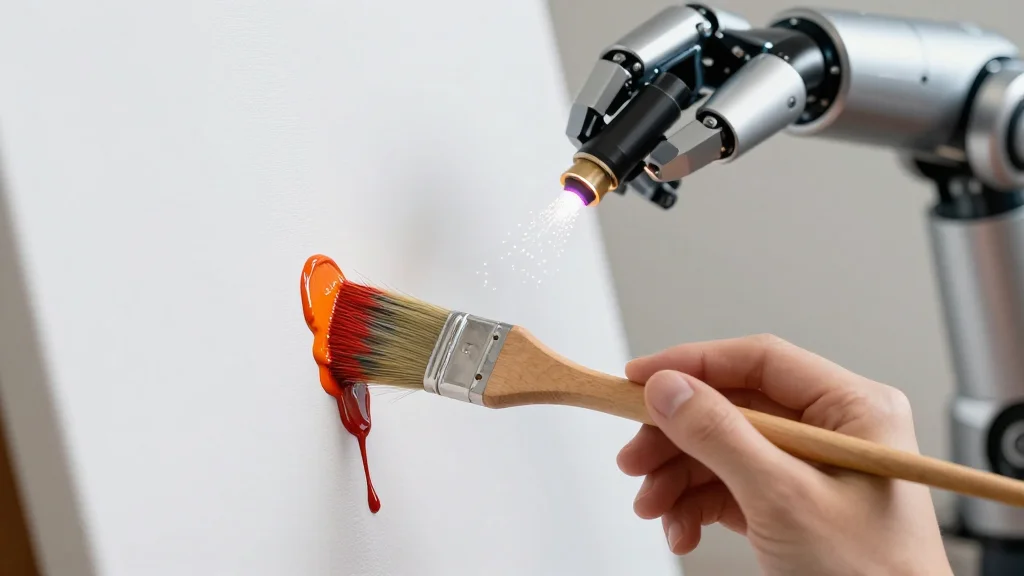
AI Robs You of the Achievement of Effort. Here’s Why that Sucks.
Why It Matters
If AI eliminates the challenge of creation, future creators may lose the discipline that fuels innovation, weakening the cultural and economic value of original content.
Key Takeaways
- •AI can shortcut creative effort, risking loss of artistic growth
- •Whitehead argues true art requires struggle, not AI-generated ease
- •Writers risk skill atrophy if AI does the heavy lifting
- •AI's convenience may diminish future authors' ability to train creative muscles
- •Data‑center energy use for AI adds environmental stakes to the debate
Pulse Analysis
Artificial intelligence has rapidly infiltrated the creative economy, from text generators that draft marketing copy to image models that produce album covers. Proponents tout speed, cost savings, and the democratization of content creation. Yet, as Colson Whitehead and a seasoned genre writer argue, the very ease AI introduces may strip creators of the arduous process that hones craft. The loss of struggle isn’t merely sentimental; it undermines the iterative refinement that yields distinctive voices and market‑ready works.
The concept of "creative suffering" mirrors physical training: muscles grow stronger when challenged. When writers, designers, or musicians rely on AI to fill gaps, they bypass the mental repetitions that build narrative intuition, visual composition skills, and stylistic nuance. For emerging talent, this shortcut can lead to skill atrophy, reducing the pipeline of innovators who push cultural boundaries. Companies that depend on a steady flow of fresh, high‑quality content may find their competitive edge blunted as AI‑generated output becomes homogenized and lacks the depth that comes from human perseverance.
Beyond artistic degradation, AI’s rise raises legal and environmental stakes. Content scraped for model training fuels plagiarism disputes, prompting costly litigation for publishers and creators. Meanwhile, the energy‑intensive data centers powering these models contribute to carbon emissions, an often‑overlooked externality. Industry leaders can mitigate these risks by positioning AI as an assistive tool rather than a replacement, preserving the hard‑won craft of creators while leveraging technology for efficiency. Balancing convenience with disciplined practice will be key to sustaining a vibrant, innovative creative sector.
AI robs you of the achievement of effort. Here’s why that sucks.
Comments
Want to join the conversation?
Loading comments...