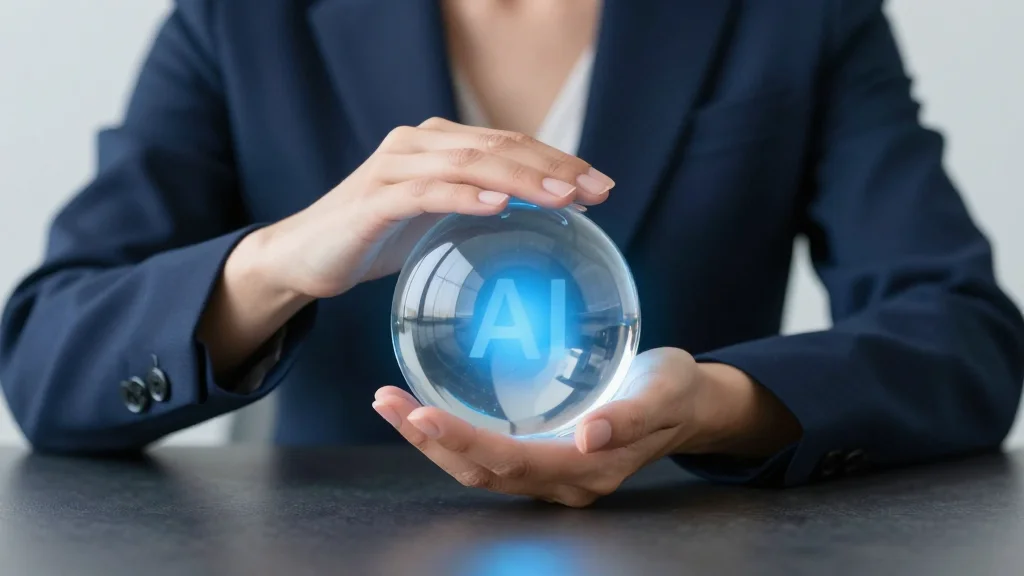
AI Sales Coaching Vs. Human Sales Coaching: The Hybrid Approach That Drives Results
Why It Matters
Combining AI scalability with human insight transforms sales performance, delivering measurable revenue gains and faster rep ramp‑up in a competitive market.
Key Takeaways
- •Hybrid coaching boosts quota attainment growth threefold YoY
- •Companies see 24% higher win rates with AI‑human mix
- •AI cuts coaching admin, freeing managers for strategic work
- •Human coaches add emotional intelligence and contextual strategy
- •Hybrid model accelerates onboarding speed by 37%
Pulse Analysis
The pressure on sales organizations to coach more reps with fewer resources has exposed the limits of traditional, manager‑led programs. Managers, often promoted for selling prowess rather than coaching skill, spend 60‑70% of their time on tactical tasks such as call reviews, leaving little bandwidth for strategic development. This imbalance fuels the "forgetting curve," where up to 70% of new information fades within a day, eroding the impact of one‑off training sessions. By integrating AI‑powered conversation intelligence, firms can deliver instant, data‑backed feedback that reinforces learning in real time, turning every customer interaction into a coaching moment.
AI sales coaching platforms excel at scaling repetitive, methodology‑driven instruction: they transcribe calls, analyze tone, flag objection‑handling gaps, and generate personalized development plans. The technology’s 24/7 availability eliminates scheduling bottlenecks and provides unlimited practice scenarios, which research links to a 37% reduction in onboarding time. Yet AI lacks the nuanced judgment, empathy, and strategic context that seasoned human coaches bring. Human mentors interpret buyer motivations, share battle‑tested tactics, and build trust—especially valued by Gen Z and Gen X reps. The hybrid model leverages AI for daily micro‑coaching while reserving human expertise for high‑impact strategy sessions, a combination that drives a three‑fold increase in quota‑attainment growth and a 24% lift in win rates.
Successful adoption hinges on treating the hybrid approach as a change initiative rather than a simple tech purchase. Leaders should establish baseline metrics—coaching frequency, AI engagement rates, skill competency scores—and monitor lagging indicators like win rates, deal velocity, and ramp time. When AI surfaces the most relevant coaching moments, managers can focus their limited time on strategic interventions, maximizing ROI. As the AI coaching market is projected to reach $62 billion by 2025, organizations that master this blend will secure a sustainable competitive edge in talent development and revenue generation.
AI Sales Coaching vs. Human Sales Coaching: The Hybrid Approach That Drives Results
Comments
Want to join the conversation?
Loading comments...