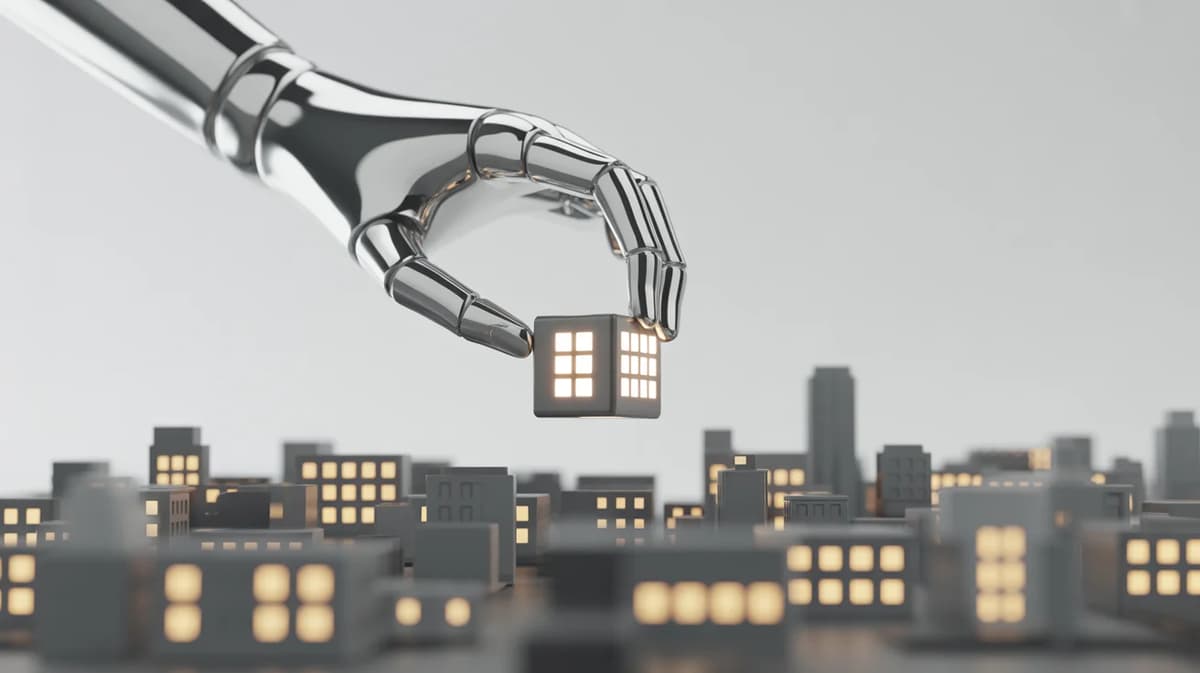
AI Steps Out of the Screen at CES. These 5 Things Stopped Me in My Tracks
•January 8, 2026
0
Why It Matters
Embedding AI in hardware accelerates adoption, reshapes product roadmaps, and creates new revenue streams for manufacturers and developers.
Key Takeaways
- •AI hardware dominates CES floor space
- •Robots and wearables illustrate AI’s physical presence
- •Scale: 13 venues, 2.6 M sq ft, 3,500 exhibitors
- •Attendance matches or exceeds 142k participants
- •AI shift drives new business models and supply chains
Pulse Analysis
The 2026 Consumer Electronics Show marked a pivotal moment for artificial intelligence, as vendors transitioned from purely software‑centric demos to fully integrated hardware solutions. This evolution reflects a broader industry trend where AI is no longer an abstract algorithm but a concrete component embedded in robots, smart clothing, and interactive displays. By placing AI at the edge, manufacturers can reduce latency, enhance privacy, and deliver personalized experiences directly to consumers, thereby differentiating their offerings in an increasingly crowded market.
From a commercial perspective, the surge in AI‑enabled devices signals a reshaping of supply chains and product development cycles. Companies now must source specialized chips, sensor arrays, and power‑efficient designs to support on‑device inference, prompting partnerships between semiconductor firms and consumer brands. This hardware focus also opens new monetization pathways, such as subscription‑based AI services tied to physical products, and creates opportunities for after‑sales data analytics that were previously limited to cloud‑only models. Investors are taking note, with venture capital flowing into startups that bridge AI software with manufacturable hardware.
For enterprises watching the consumer arena, the implications are clear: AI’s migration to the physical layer will soon permeate industrial equipment, logistics, and workplace tools. Early adopters can leverage this momentum to pilot AI‑driven automation, improve operational efficiency, and meet rising customer expectations for intelligent, responsive products. As CES continues to spotlight these innovations, businesses that integrate AI hardware now will likely secure a competitive edge in the next wave of digital transformation.
AI Steps Out of the Screen at CES. These 5 Things Stopped Me in My Tracks
0
Comments
Want to join the conversation?
Loading comments...