AI to Rescue Australian Wildlife Research Drowning in Data
Companies Mentioned
Why It Matters
Accelerating image analysis turns massive visual data into timely insights, enabling faster interventions to protect threatened species and improve biodiversity outcomes across Australia.
Key Takeaways
- •WildObs processes millions of camera images 10× faster than manual review.
- •AI models identify hundreds of Australian species, including rare and invasive.
- •Cloud platform lets researchers upload, analyze, and visualize data instantly.
- •Early detection enables faster response to biodiversity decline.
- •Collaboration unites universities, NGOs, and government in centralized data hub.
Pulse Analysis
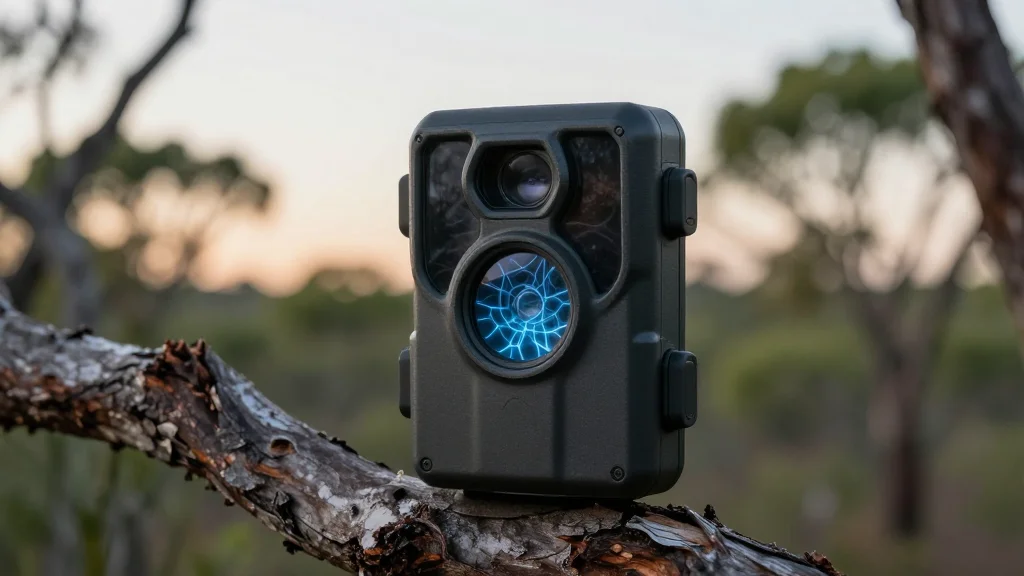
Camera traps have become a staple of modern wildlife monitoring, generating terabytes of visual data that quickly outpace the capacity of traditional manual tagging. While the technology offers unprecedented visibility into ecosystems, the bottleneck lies in converting raw images into actionable intelligence. Across the globe, AI‑driven image classification is reshaping ecological research, but Australia’s unique fauna and vast landscapes have required a tailored solution. WildObs emerges as that answer, marrying local expertise with cutting‑edge computer‑vision to bridge the data gap.
Built on a cloud infrastructure, WildObs aggregates models from the University of Queensland, QCIF Digital Research, Wageningen University, and several Australian institutions, including Google’s SpeciesNet and AddaxAI’s regional classifiers. Users simply upload their camera‑trap datasets, and the platform automatically runs species identification, flags rare or invasive organisms, and presents results through interactive dashboards. The end‑to‑end workflow eliminates the need for on‑premise hardware and reduces processing time from weeks to hours, allowing researchers to monitor population trends in near real‑time. By hosting a shared repository of AI models, WildObs also fosters collaborative refinement, ensuring the classifiers stay current with evolving taxonomy and detection challenges.
The implications extend beyond academic research. Faster, more reliable data equips policymakers with evidence to prioritize funding, target invasive‑species control, and meet international biodiversity reporting obligations. For conservation NGOs, the platform’s cost‑effective scalability means limited budgets can be directed toward field interventions rather than data processing. As other regions confront similar data overload, WildObs provides a replicable blueprint for integrating AI into environmental stewardship, positioning Australia as a leader in tech‑enabled wildlife preservation.
AI to rescue Australian wildlife research drowning in data
Comments
Want to join the conversation?
Loading comments...