Why It Matters
The story highlights AI’s capacity to eradicate skilled office roles, forcing workers into physically taxing jobs and exposing gaps in workforce policy.
Key Takeaways
- •AI replaced copywriter, prompting shift to manual labor
- •Chatbot suggested tree‑felling as alternative income source
- •Physical work caused elbow and back injuries for Groh
- •White‑collar jobs face same displacement pattern as factories
- •Policy focus remains on growth, not worker retraining
Pulse Analysis
The rapid adoption of generative AI in marketing departments has accelerated a two‑step displacement process: first, companies outsource low‑cost human labor abroad, then they replace that labor with algorithms that can draft copy in seconds. This shift reduces overhead but also erodes the career ladder for mid‑level writers, who traditionally moved from junior to senior roles. As AI tools become more sophisticated, the barrier to entry for high‑quality content lowers, making it harder for human writers to compete on price and speed.
Groh’s pivot to tree‑felling illustrates a broader socioeconomic ripple effect. When AI eliminates a white‑collar position, displaced workers often turn to physically demanding jobs that lack the safety nets and benefits of their former roles. The injuries Groh sustained highlight the hidden costs of such transitions, including healthcare expenses and reduced long‑term earning potential. This pattern mirrors past industrial automation waves, where former factory workers faced similar health and financial challenges, suggesting that AI is not creating a new class of jobs but reshuffling existing labor into riskier sectors.
Policy implications are stark. While Washington emphasizes global competitiveness and economic growth, it has yet to develop comprehensive retraining programs tailored to AI‑induced displacement. Without targeted upskilling initiatives, a growing segment of the workforce may be forced into low‑skill, high‑injury occupations, widening inequality. Stakeholders—from corporate leaders to legislators—must consider proactive measures such as subsidized AI literacy courses, transition assistance, and safety standards for newly recruited manual workers to mitigate the societal fallout of rapid AI integration.
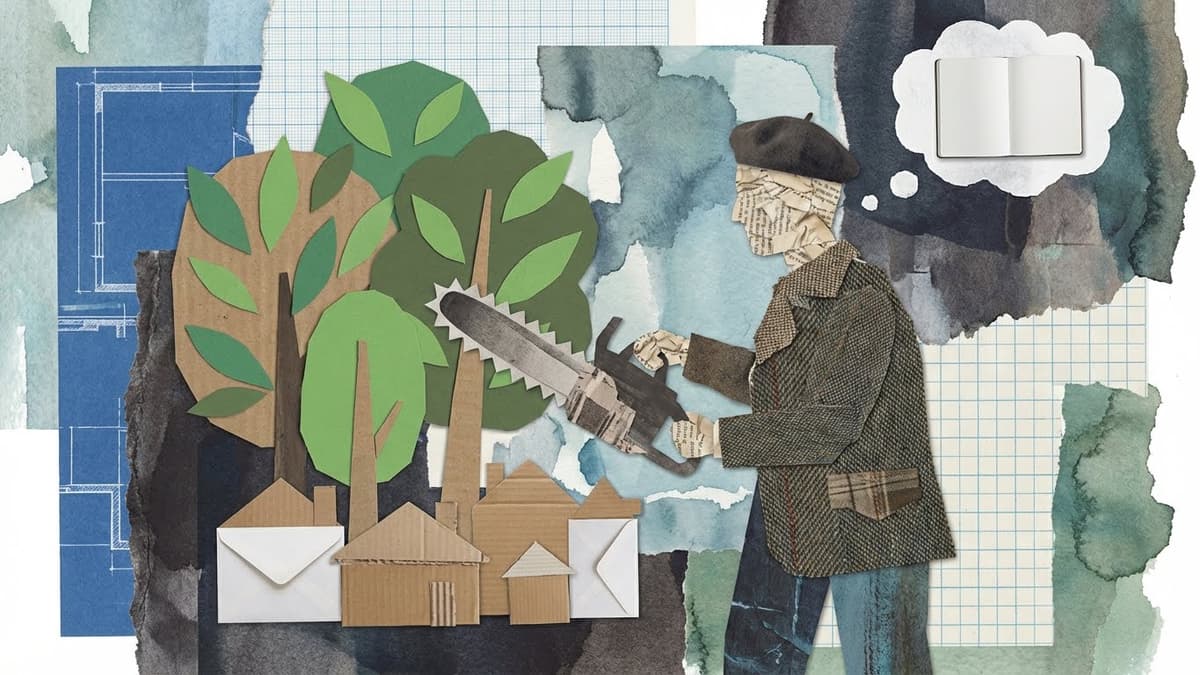
AI took a writer's job, then told him to try tree-felling
0
Comments
Want to join the conversation?
Loading comments...