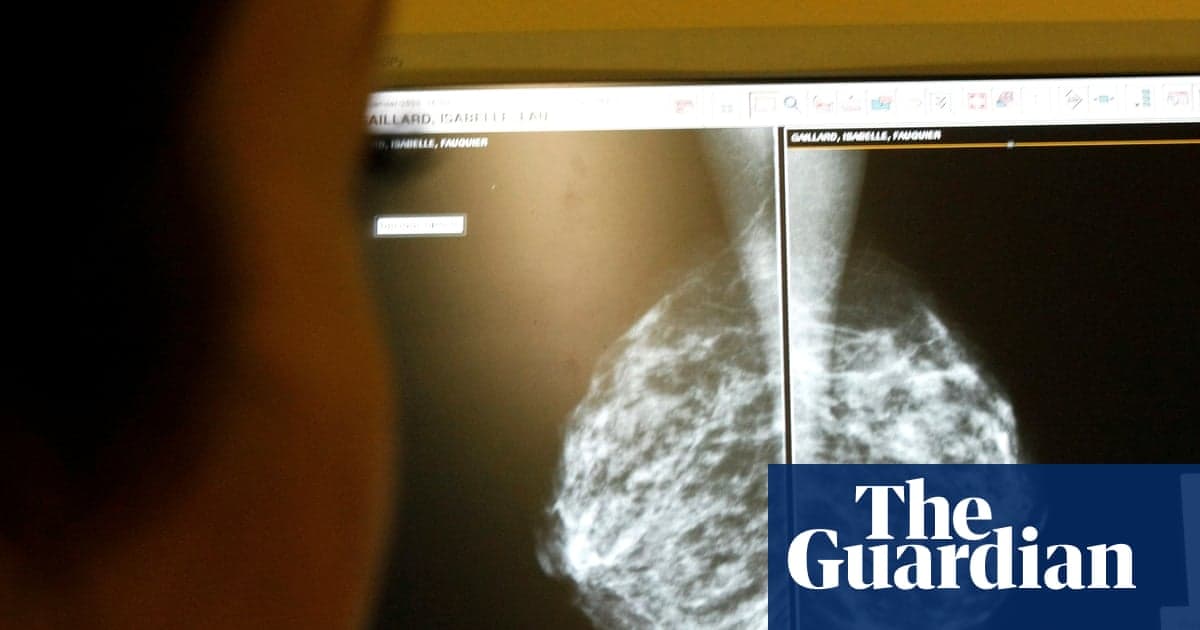
AI Use in Breast Cancer Screening Cuts Rate of Later Diagnosis by 12%, Study Finds
•January 29, 2026
0
Why It Matters
The findings demonstrate that AI can materially improve screening outcomes while easing radiologist workloads, signaling a shift toward hybrid diagnostic models in oncology. Successful adoption could lower mortality and health‑system costs across breast‑cancer programs worldwide.
Key Takeaways
- •AI reduced later-stage diagnoses by 12%
- •Early detection rose to 81% with AI
- •Aggressive cancers fell 27% in AI group
- •AI triages low‑risk cases to single radiologist
Pulse Analysis
The Lancet‑published Swedish study represents the largest real‑world evaluation of artificial intelligence in breast‑cancer screening to date. By analyzing 100,000 mammograms, the AI algorithm identified high‑risk images for double radiologist review while safely routing low‑risk cases to a single read. This risk‑based workflow lifted the proportion of cancers caught at the screening stage from 74% to 81% and reduced subsequent cancer diagnoses by 12%, translating into measurable public‑health gains and a clearer path for AI integration in preventive oncology.
Beyond the raw numbers, the trial highlights operational benefits that could reshape radiology departments. AI‑driven triage lessens the volume of double reads, directly addressing radiologist shortages and burnout—issues that have intensified with rising screening demand. However, the study’s authors caution against wholesale automation; continuous performance monitoring and region‑specific validation remain essential to avoid missed diagnoses. The hybrid model preserves clinical oversight while leveraging AI’s pattern‑recognition speed, offering a pragmatic blueprint for health systems seeking efficiency without compromising safety.
Globally, the results arrive as health ministries and insurers weigh investments in AI‑enhanced screening. Ongoing trials in the UK’s NHS and other European programs will test scalability, cost‑effectiveness, and regulatory compliance. If replicated, AI could become a standard adjunct in mammography, driving earlier interventions, reducing treatment intensity, and ultimately lowering cancer‑related expenditures. Stakeholders must balance innovation with rigorous evidence, ensuring that AI tools are transparent, unbiased, and continuously audited to sustain trust across patients and providers.
AI use in breast cancer screening cuts rate of later diagnosis by 12%, study finds
0
Comments
Want to join the conversation?
Loading comments...