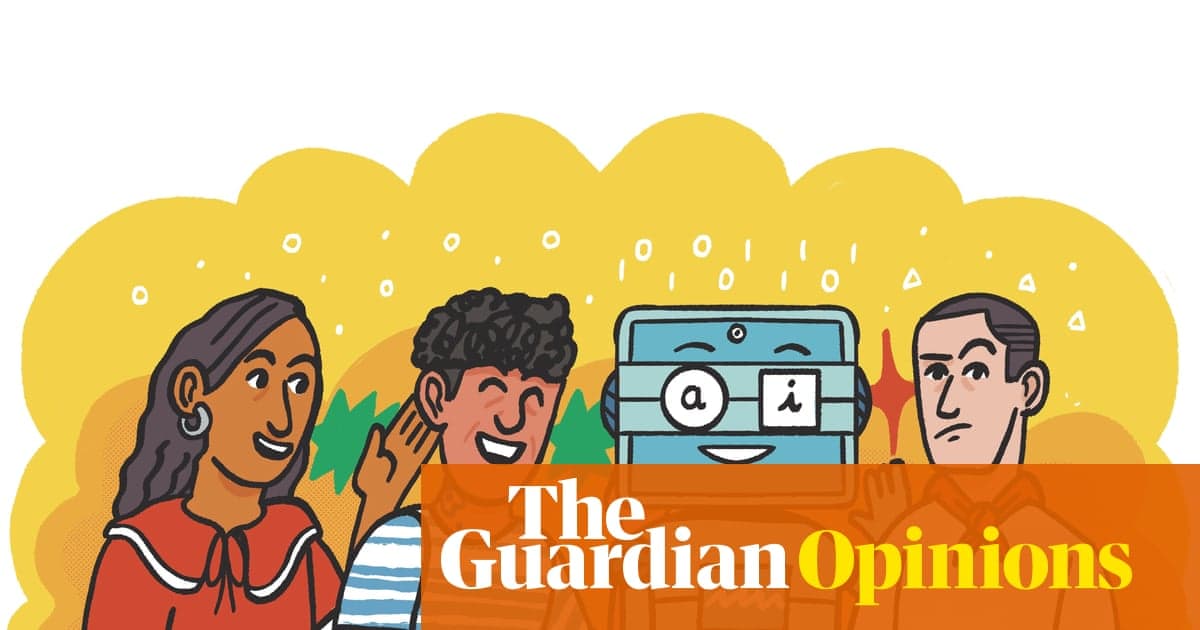
AI Will Make Language Barriers Disappear – and Diminish Our Understanding of Other Cultures

Companies Mentioned
Why It Matters
AI‑driven translation could reshape global business communication, cutting expenses but also threatening the cultural insight traditionally supplied by human mediators. The trade‑off between efficiency and nuanced understanding will define future multilingual interactions.
Key Takeaways
- •DeepL launched live voice‑to‑voice translation in May 2026.
- •AI could render personal language study unnecessary for most users.
- •Machines lack cultural judgment, risking loss of nuanced understanding.
- •Automated interpretation promises significant cost savings for businesses.
- •Human interpreters add empathy and contextual insight beyond literal translation.
Pulse Analysis
The rollout of DeepL's live voice‑to‑voice translation reflects a broader acceleration in generative AI capabilities. By leveraging large‑scale neural networks and multilingual corpora, the service can capture speech, translate it in milliseconds, and synthesize a natural‑sounding output in the target language. This technical leap eliminates the latency that once required human relay and opens the door for seamless multilingual meetings, customer support, and cross‑border negotiations. Industry analysts see the technology as a catalyst for a new wave of global collaboration, where language is no longer a barrier to entry.
From a business perspective, the economic implications are immediate. Companies can replace costly interpreter contracts with a subscription‑based AI platform, reducing overhead while scaling communication across dozens of languages simultaneously. Multinational firms stand to save millions in travel, staffing, and translation expenses, especially in sectors like manufacturing, finance, and legal services where real‑time precision is critical. Moreover, the democratization of translation lowers the entry threshold for small enterprises seeking to enter foreign markets, potentially reshaping competitive dynamics.
However, the cultural ramifications are less straightforward. Human interpreters do more than convey words; they read tone, context, and cultural subtext, often mediating misunderstandings before they arise. AI, despite its linguistic prowess, lacks lived experience and the ability to judge situational nuance, risking misinterpretations that could strain relationships. As reliance on machine translation grows, the incentive to learn foreign languages and engage deeply with other cultures may wane, turning language into a mere code rather than a bridge. Stakeholders must balance efficiency gains with the preservation of cultural empathy to ensure that technology enhances, rather than diminishes, global understanding.
AI will make language barriers disappear – and diminish our understanding of other cultures
Comments
Want to join the conversation?
Loading comments...