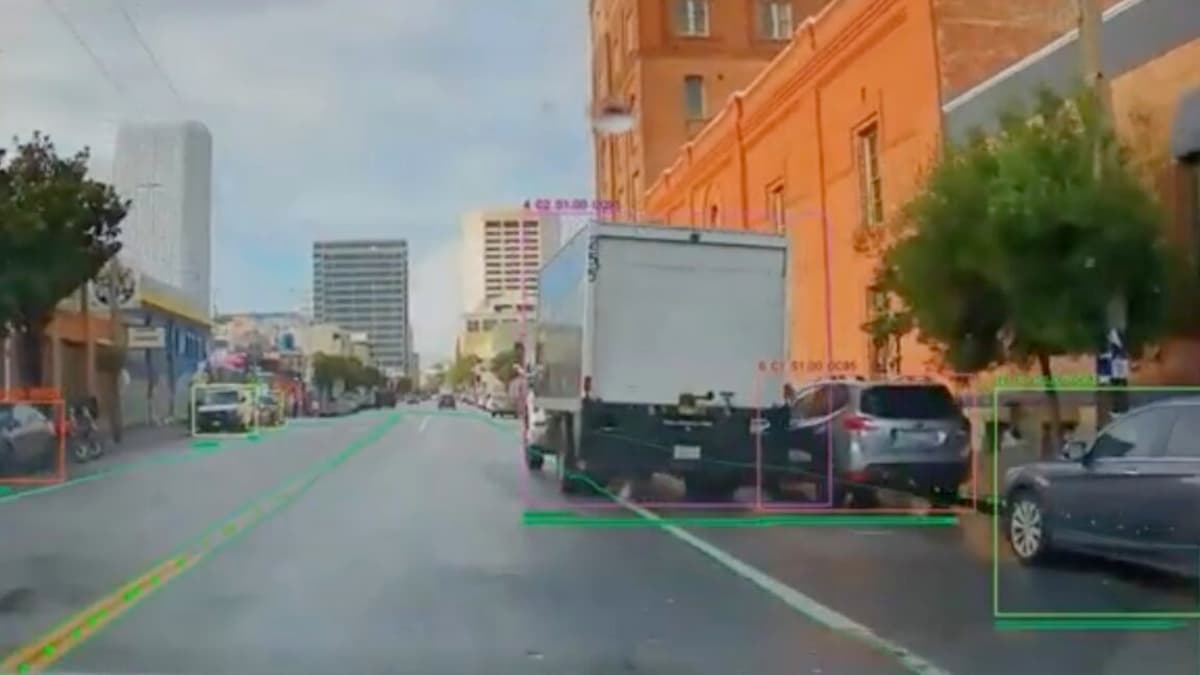
Aided by AI, California Beach Town Broadens Hunt for Bike Lane Blockers
Why It Matters
Automated detection curtails illegal parking, making bike lanes safer and improving bus operations, while signaling wider municipal adoption of AI‑driven traffic enforcement.
Key Takeaways
- •Santa Monica adds AI to seven parking enforcement cars.
- •System records video and plates only when bike lane blocked.
- •Prior UCSD trial flagged 1,100 violations, 88% lane blockages.
- •AI enforcement already on buses in Oakland, Sacramento, NYC.
- •Bike advocates support, caution about data privacy.
Pulse Analysis
The integration of AI into Santa Monica’s parking enforcement marks a pivotal shift in how cities address chronic bike‑lane obstruction. By leveraging computer‑vision cameras mounted on patrol vehicles, the municipality can monitor high‑traffic corridors in real time, generating actionable evidence without relying on human spotters. This technology builds on successful deployments on public transit buses, where it has already helped cities like Oakland and Sacramento reduce lane‑blocking incidents and improve bus punctuality. The automated approach promises faster citation cycles and deters repeat offenders, contributing to a safer multimodal street environment.
Hayden AI’s system follows a strict data‑capture protocol: it records a brief video clip and reads the license plate only when a vehicle infringes on a designated bike lane. The footage, combined with plate data, forms an evidence package that police review before issuing a citation, ensuring due process and minimizing false positives. While bike‑advocacy groups welcome the added enforcement, they also stress the importance of safeguarding collected data against misuse. The company’s emphasis on capturing information solely for prosecutable violations seeks to balance enforcement efficacy with privacy concerns, a critical consideration as municipalities expand AI surveillance capabilities.
The broader implications extend beyond Santa Monica. As cities grapple with growing demand for safe cycling infrastructure, AI‑enabled enforcement offers a scalable solution to a problem traditionally limited by manpower. Successful pilots could accelerate adoption across other jurisdictions, prompting a wave of smart‑city investments aimed at harmonizing vehicle, bus, and bicycle traffic. Moreover, the technology’s ability to improve bus flow by clearing obstructions aligns with transit agencies’ goals of reducing delays and emissions, positioning AI as a catalyst for more efficient, sustainable urban mobility.
Aided by AI, California beach town broadens hunt for bike lane blockers
Comments
Want to join the conversation?
Loading comments...