Why It Matters
By automating low‑value tasks, AllSaints can shorten decision cycles and improve product placement, sharpening its competitive edge in fast‑moving fashion retail.
Key Takeaways
- •AI replaces spreadsheets in buying, merchandising
- •AI-native tools improve forecast accuracy
- •Weekly trading cadence accelerated via automation
- •Merchandisers shift to strategic decision‑making
- •Partnership with Impact Analytics provides agentic AI
Pulse Analysis
The fashion sector has long wrestled with legacy systems that rely on spreadsheets and manual data aggregation, slowing the pace at which brands can respond to shifting consumer trends. As digital natives dominate purchasing power, retailers are under pressure to adopt technologies that can process vast amounts of sales, inventory, and market data in real time. AI‑driven merchandising promises to close that gap, offering predictive analytics that outstrip traditional forecasting methods and enabling faster, more accurate assortment planning.
AllSaints' new AI initiative, built on a partnership with Impact Analytics, introduces agentic AI tools that automatically generate weekly trade reports and highlight emerging demand signals across global markets. By eliminating repetitive data‑pulling tasks, merchandisers can focus on strategic decisions such as product allocation and promotional timing. The AI‑native planning platform also claims to improve forecast accuracy, which directly impacts inventory turnover and reduces markdowns. Accelerating the weekly trading cadence means the brand can align buying, allocation, and store replenishment within days rather than weeks, a critical advantage in the ultra‑fast fashion environment.
Industry observers see AllSaints' move as part of a broader shift toward data‑centric operations in apparel. Companies that successfully integrate AI into their supply chain can achieve higher sell‑through rates, lower stock‑out incidents, and more efficient use of capital. While implementation costs and change management remain challenges, the potential ROI from reduced labor, better inventory positioning, and faster time‑to‑market is compelling. As AI adoption spreads, retailers that lag risk losing relevance to competitors that can instantly translate insights into actionable merchandising strategies.
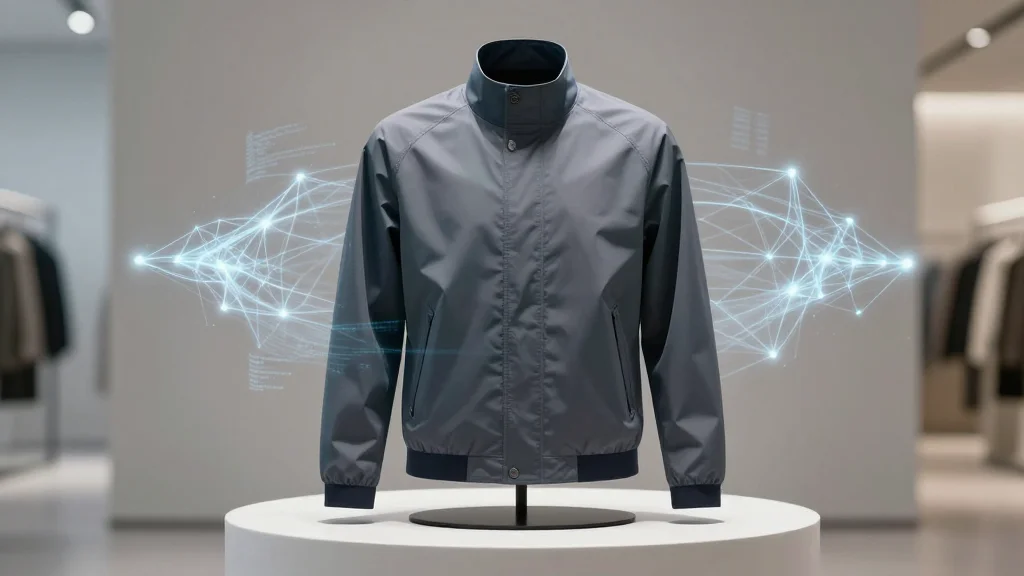
AllSaints implements AI across buying and merchandising
Comments
Want to join the conversation?
Loading comments...