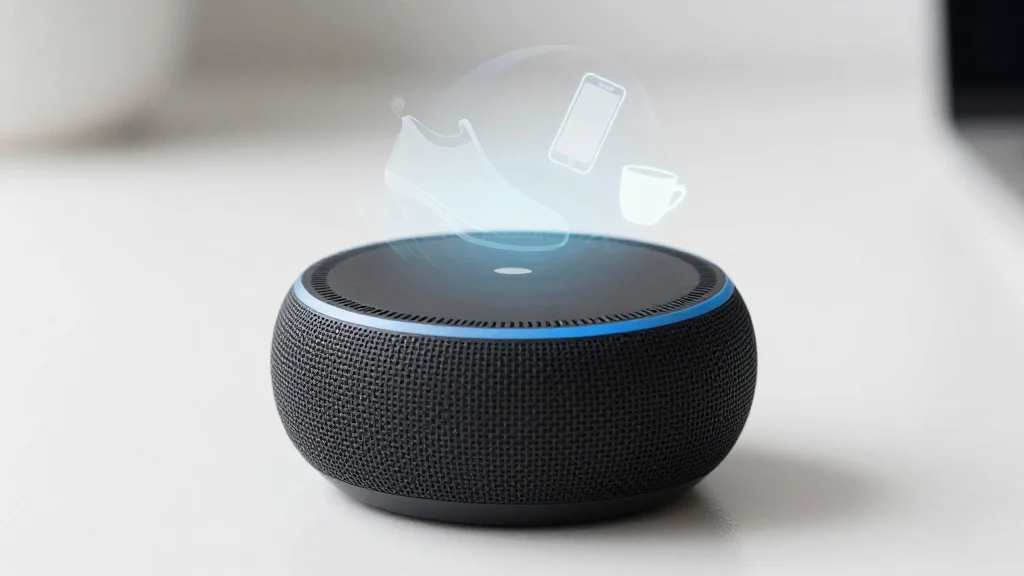
Amazon Ditches Rufus Chatbot, Launches Alexa Shopping Agent in AI Strategy Pivot
Why It Matters
By consolidating AI features under Alexa, Amazon leverages its vast product data to offer a more seamless, data‑rich shopping experience while protecting its advertising income and reinforcing its competitive moat against emerging AI shopping bots.
Key Takeaways
- •Amazon retires Rufus, integrates its features into Alexa for Shopping
- •Alexa for Shopping appears in Amazon search results as a chat window
- •Tool lets users compare items, schedule price‑triggered purchases, no Prime needed
- •Ads will appear within the chat, preserving Amazon’s ad revenue stream
- •Competitors’ AI shopping bots lack Amazon’s data advantage, limiting effectiveness
Pulse Analysis
Amazon’s decision to sunset the Rufus chatbot marks a decisive shift in its AI roadmap, consolidating generative‑AI capabilities under the Alexa brand. Launched in early 2022, Rufus was positioned as a “expert shopping assistant” but remained in beta and failed to gain traction against rivals such as OpenAI’s ChatGPT shopping add‑on and Google’s AI agents. By folding Rufus’s recommendation engine into Alexa for Shopping, Amazon leverages its massive product catalog, review database, and real‑time inventory signals, creating a unified conversational layer that can answer queries and complete purchases without the overhead of a separate bot.
The new Alexa for Shopping widget replaces the traditional search bar with a Q&A interface that surfaces product comparisons, price‑drop alerts and one‑click checkout options. Users invoke the service via a stylized “A” icon on the website, mobile app, or Echo Show, and the chat window surfaces relevant sponsored listings alongside organic results. Because the assistant draws on Amazon’s internal data, it can confirm stock levels and delivery windows instantly—an advantage many external bots lack. The ad placement model preserves a key revenue stream, while promising a less intrusive experience that does not narrow the result set.
Industry observers see the move as a defensive play that reinforces Amazon’s data moat in a market where AI shopping agents are proliferating. Competitors have struggled to integrate checkout flows without direct access to inventory and review data, leading to recent rollbacks such as OpenAI’s discontinuation of Instant Checkout. By keeping third‑party bots at the gate and offering its own AI‑driven checkout, Amazon not only safeguards its advertising earnings but also sets a benchmark for how e‑commerce platforms can monetize conversational commerce. The success of Alexa for Shopping will likely influence how retailers balance openness with control in the AI era.
Amazon ditches Rufus chatbot, launches Alexa shopping agent in AI strategy pivot
Comments
Want to join the conversation?
Loading comments...