AMD's Redstone Update Could Revitalize FSR for PC Games – Here's Why Nvidia Should Be Worried

Companies Mentioned
Why It Matters
Redstone gives AMD a viable AI‑driven upscaling alternative, threatening Nvidia’s dominance in high‑performance PC graphics. Its success could shift market share toward RDNA 4 hardware if developers adopt the new pipeline quickly.
Key Takeaways
- •Redstone launches via AMD Adrenalin 25.12.1 driver.
- •Features Frame Generation, Ray Regeneration, Radiance Caching.
- •Exclusive to RDNA 4 GPUs like RX 9060 XT.
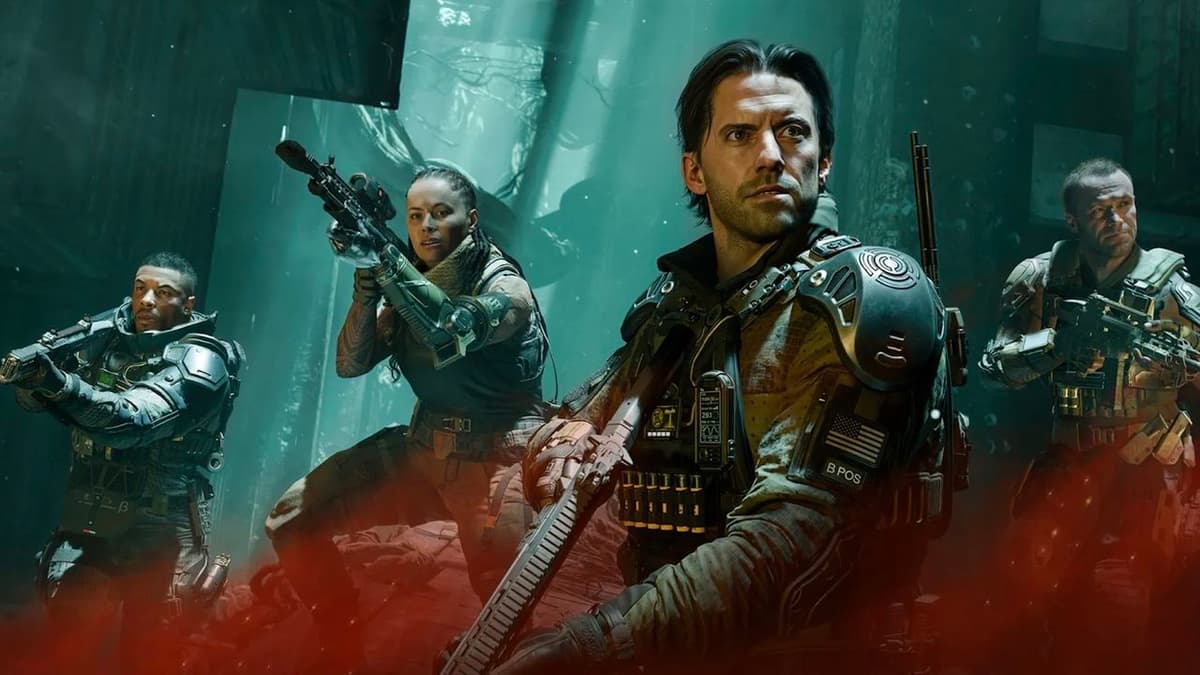
- •Ray Regeneration debut in Call of Duty: Black Ops 7.
- •No backward compatibility for pre‑RDNA 4 cards.
Pulse Analysis
AMD’s latest FSR Redstone update arrived today bundled with the Adrenalin 25.12.1 driver, bringing a suite of AI‑enhanced rendering tools to its new RDNA 4 lineup. The package adds FSR Frame Generation, Ray Regeneration, Radiance Caching and an upgraded upscaling engine formerly known as FSR 4. By targeting the Radeon RX 9060 XT, RX 9070 XT and RX 9070, AMD hopes to narrow the visual‑quality gap that has long favored Nvidia’s DLSS 4, which already offers frame‑generation and ray‑reconstruction across the RTX family. Early side‑by‑side screenshots suggest a noticeable leap over FSR 3.1, though direct comparison with DLSS 4 remains pending. The standout feature is Ray Regeneration, AMD’s answer to Nvidia’s Ray Reconstruction, which uses a neural‑network denoiser to restore ray‑traced detail after aggressive upscaling. Its first implementation appears in Call of Duty: Black Ops 7, with a broader rollout planned for 2025. Radiance Caching, slated for 2026, promises to cache indirect lighting calculations, reducing the cost of real‑time global illumination. By releasing the Redstone SDK on GPUOpen, AMD simplifies integration for developers, allowing games to adopt the new pipeline through a single DLL update rather than deep engine rewrites. The commercial impact hinges on adoption speed and hardware reach. While Redstone delivers impressive gains, its exclusivity to RDNA 4 cards leaves legacy Radeon owners without an upgrade path, contrasting Nvidia’s broader RTX compatibility. If AMD can demonstrate consistent quality and expand its ecosystem before the next CES, it could force Nvidia to defend its market share more aggressively, potentially accelerating AI‑driven features across both camps. Investors and gamers alike will watch closely as the upscaling arms race reshapes PC graphics economics.
AMD's Redstone update could revitalize FSR for PC games – here's why Nvidia should be worried
Comments
Want to join the conversation?
Loading comments...