American Factories Lag in Adopting A.I. This Drugmaker Is an Exception.
Companies Mentioned

Why It Matters
AI‑driven monitoring can dramatically improve drug‑manufacturing reliability, protecting patients and giving U.S. pharma a competitive edge. The broader lag signals a risk that American manufacturers could lose market share to faster‑adopting rivals, especially in China.
Key Takeaways
- •Bristol Myers Squibb’s Devens plant uses AI to monitor bioreactor conditions
- •Only U.S. manufacturer on World Economic Forum’s 2026 Lighthouse list
- •U.S. has 14 Lighthouse factories vs. 99 in China since 2018
- •AI helps prevent drug shortages by catching process deviations early
- •Talent competition with Silicon Valley slows AI adoption in U.S. factories
Pulse Analysis
American factories have struggled to translate the nation’s AI research dominance into tangible productivity gains on the shop floor. While U.S. firms pour billions into AI startups, only 14 of the 223 Global Lighthouse Network sites—an elite group recognized for advanced digital manufacturing—are American, compared with 99 in China. The disparity stems from a shortage of on‑site technologists, as talent is siphoned toward Silicon Valley’s lucrative software ecosystem, leaving factories without the expertise to embed AI into core processes.
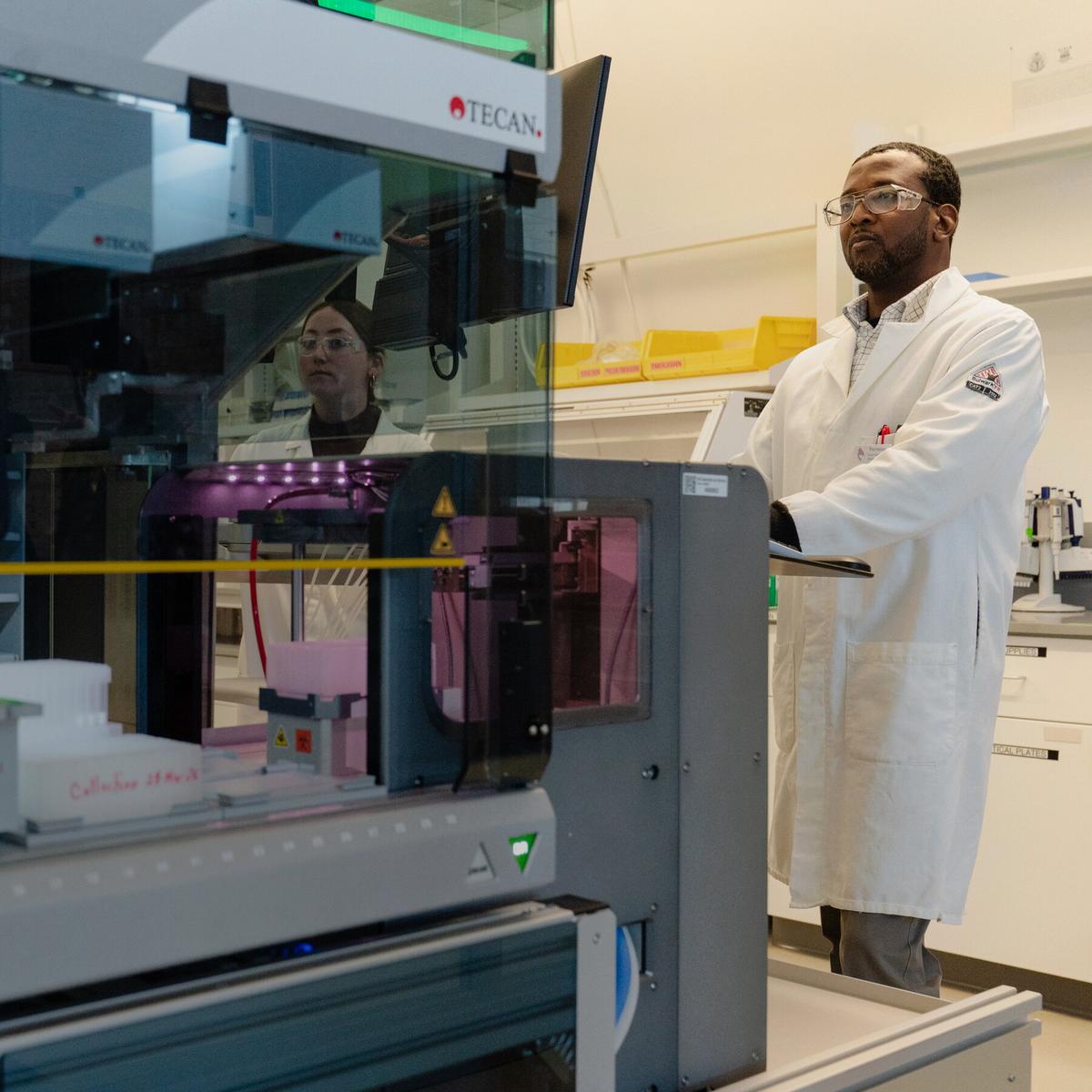
Bristol Myers Squibb’s 2,000‑liter bioreactor in Devens, Massachusetts, illustrates how AI can bridge that gap. Sensors feed real‑time temperature, oxygen and pH data into machine‑learning models that flag anomalies before they cause cell‑culture failures. By catching deviations early, the plant reduces batch losses, shortens cycle times, and mitigates drug shortages that can jeopardize patient care. This AI‑enabled vigilance earned the facility the sole U.S. spot on the 2026 World Economic Forum Lighthouse list, signaling that targeted investment can yield measurable operational benefits even in a sector traditionally slow to digitize.
The broader implication for U.S. manufacturing is clear: scaling AI requires a coordinated strategy that blends talent development, incentives for on‑site technologists, and supportive policy. Companies must invest in upskilling plant engineers and create pathways for data scientists to work alongside production teams. Government programs that fund AI pilots and streamline regulatory approvals could accelerate adoption across sectors beyond pharma. If American factories can close the talent gap, they stand to reclaim leadership in smart manufacturing and counter the rapid AI scaling observed in China.
American Factories Lag in Adopting A.I. This Drugmaker Is an Exception.
Comments
Want to join the conversation?
Loading comments...