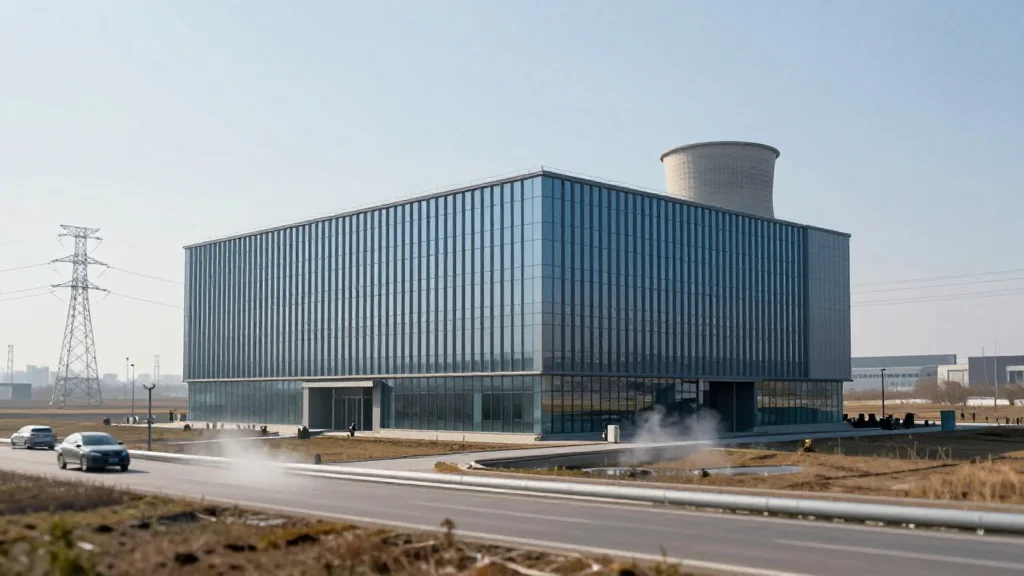
Americans Would Rather Have a Nuclear Plant In Their Backyard Than a Datacenter

Why It Matters
Widespread NIMBY resistance could slow the deployment of AI‑compute facilities essential for U.S. competitiveness, prompting regulators and developers to address community concerns or face costly delays.
Key Takeaways
- •71% oppose AI data centers near homes
- •53% oppose nearby nuclear plants, AI sites less popular
- •Water use, grid strain, traffic, bills drive opposition
- •Democrats show higher opposition (56%) than Republicans (39%)
Pulse Analysis
The latest Gallup survey underscores a growing NIMBY (Not In My Backyard) mindset toward AI data centers, with 71% of respondents rejecting the idea of a nearby facility. This opposition eclipses the already contentious view of nuclear plants, where only 53% express resistance. The data highlights a shift in public perception: while nuclear has long been a flashpoint, the rapid expansion of AI compute power is now perceived as a more immediate threat to local resources, especially water and electricity, and to everyday quality of life.
Resource constraints dominate the backlash. Half of those surveyed cite excessive water usage and potential strain on the power grid as primary concerns, reflecting anxieties about the sustainability of massive cooling systems that power AI servers. Nearly a quarter worry about increased traffic and a fifth fear higher utility bills, indicating that the perceived personal cost outweighs abstract benefits. Politically, Democrats are more likely to oppose (56%) than Republicans (39%), yet opposition remains significant across the aisle, suggesting that any nationwide rollout will need to navigate a bipartisan landscape of community pushback.
For the AI industry, the findings signal a need for proactive engagement and transparent planning. Companies may have to invest in greener cooling technologies, negotiate power‑purchase agreements that mitigate grid impact, and offer tangible community benefits such as job training or revenue sharing. Policymakers, too, could see pressure to craft regulations that balance national AI ambitions with local environmental and economic concerns. Failure to address these issues could delay critical infrastructure, eroding the United States’ edge in the global AI race.
Americans Would Rather Have a Nuclear Plant In Their Backyard Than a Datacenter
Comments
Want to join the conversation?
Loading comments...