Why It Matters
If viable, residential hosting could create a new revenue stream for homeowners and a low‑cost edge option for AI workloads, reshaping data‑center economics.
Key Takeaways
- •PulteGroup, Nvidia, Span test home‑based AI compute pilots.
- •Homeowners aim to offset mortgage costs with server rental income.
- •Distributed edge compute reduces reliance on hyperscale data centers.
- •Power upgrades, cooling, and liability remain major barriers.
- •Niche curated hosting may emerge, not mass‑market residential colocation.
Pulse Analysis
The surge in generative‑AI workloads has outpaced the capacity of traditional hyperscale facilities, prompting developers to look beyond the campus model. At the same time, U.S. homeowners are feeling the strain of high mortgage balances, property taxes and insurance premiums, which has turned spare rooms, garages and rooftops into income‑generating assets. This convergence creates a logical incentive to repurpose underutilized basements or detached sheds as micro‑data centers. Early pilots by real‑estate developer PulteGroup, GPU maker Nvidia and infrastructure startup Span are testing whether a few racks can deliver meaningful AI inference latency improvements while providing owners with a modest cash flow.
Three nascent business structures are emerging. Controlled edge‑host programs place vetted servers in selected homes under strict service‑level agreements, keeping the provider responsible for power, cooling and security. Decentralized compute marketplaces let tech‑savvy residents sell spare CPU or GPU cycles, but they stop short of housing third‑party hardware. Traditional colocation brokers are also experimenting with “home‑node” listings, though liability and zoning rules remain stumbling blocks. The technical hurdles are non‑trivial: residential circuits often lack redundant feeds, UPS capacity, and the HVAC capacity required for 24‑hour rack operation, driving up upfront retro‑fit costs.
Because of those constraints, residential hosting is likely to stay a niche rather than a mainstream replacement for data centers. It may thrive in regions with cheap electricity, robust fiber, and permissive local ordinances, supporting workloads that benefit from geographic dispersion—such as content caching, low‑latency inference for smart‑home services, or compliance‑driven data residency. For the broader market, the experiment signals a shift toward hyper‑localized compute and could pressure large providers to offer more flexible, cost‑effective edge solutions. If the curated model proves reliable, homeowners could become a new class of infrastructure partner.
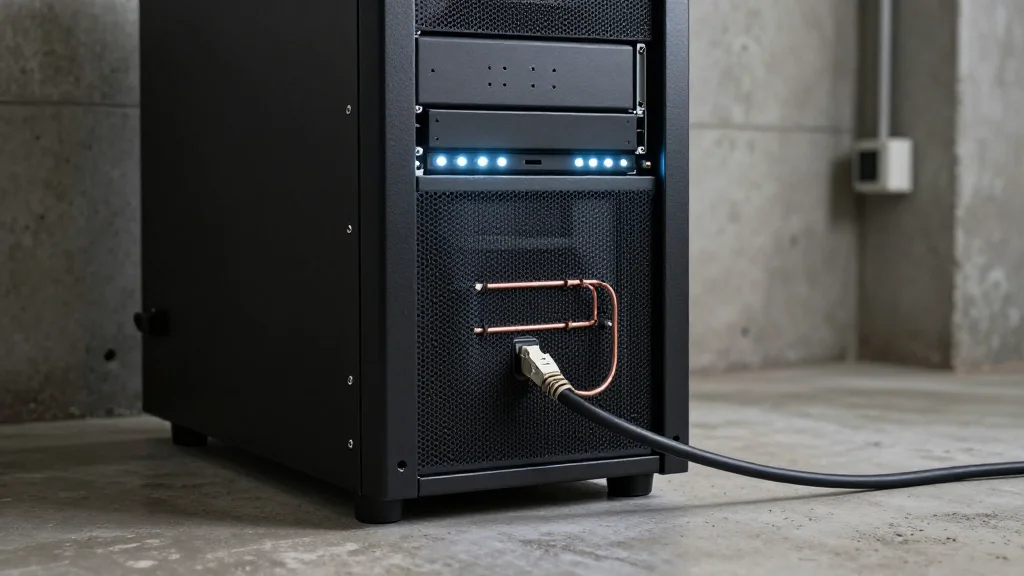
An AI data center in your home?
Comments
Want to join the conversation?
Loading comments...