Annie Ghazali: PostgreSQL’s Growing Role in AI Infrastructure
Why It Matters
The shift makes PostgreSQL a strategic asset rather than a hidden component, meaning engineering teams must invest in operational expertise to sustain AI product growth and avoid performance bottlenecks.
Key Takeaways
- •Supabase makes PostgreSQL the default backend for many AI startups
- •pgvector enables embeddings and similarity search inside PostgreSQL
- •Scaling AI workloads stresses connection limits, vector indexes, and replication lag
- •Teams must adopt pooling (PgBouncer) and enhanced monitoring for AI traffic
- •Operational ownership of PostgreSQL grows as AI products move to production
Pulse Analysis
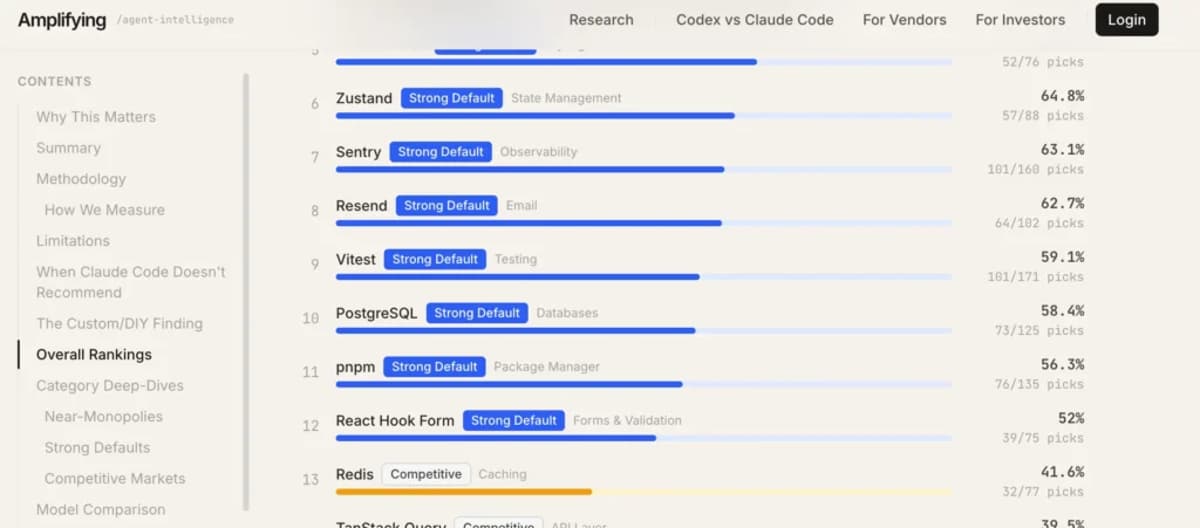
PostgreSQL has quietly become the backbone of many AI services, largely thanks to the rise of developer‑first platforms such as Supabase. When a developer spins up a Supabase project, a fully managed PostgreSQL instance is provisioned automatically, placing the database at the heart of authentication, API, and data‑storage layers. The open‑source pgvector extension further cements this role by allowing high‑dimensional embeddings and similarity search to live alongside traditional relational tables, eliminating the need for a separate vector store. As major AI frameworks add native PostgreSQL connectors, the ecosystem reinforces the database’s position as the de‑facto default for AI prototypes and early‑stage products.
That convenience, however, masks a set of operational pressures that surface once AI workloads leave the sandbox. Vector searches generate large, concurrent read‑write patterns, driving connection spikes, memory consumption, and rapid growth of vector indexes. Replication lag can appear on read replicas during heavy inference bursts, and latency becomes erratic under load. Engineers who never configured PgBouncer or Supavisor find themselves adding connection pools, while traditional monitoring dashboards miss embedding‑specific latency. The result is a hidden operational debt that accelerates as user bases expand.
Enterprises that treat PostgreSQL as a strategic component rather than background infrastructure gain a competitive edge. Proactive steps—such as sizing connection pools, instrumenting vector‑index metrics, and rehearsing failover scenarios—prevent performance cliffs and keep cloud‑costs in check. The database’s proven transactional guarantees, auditability, and multi‑tenant security remain essential even as LLM‑driven retrieval systems evolve. By embedding PostgreSQL expertise early, engineering teams can scale AI products confidently, turning a reliable data store into a catalyst for rapid, production‑grade AI innovation.
Annie Ghazali: PostgreSQL’s Growing Role in AI Infrastructure
Comments
Want to join the conversation?
Loading comments...