Anthropic, SpaceX Deal Boosts Claude Compute and Points to Space-Based AI
Why It Matters
The partnership gives Anthropic a competitive edge in the AI arms race by locking in scarce, high‑performance compute, while signaling SpaceX’s ambition to become a major AI infrastructure provider. It also underscores that AI leadership now hinges as much on hardware access as on model innovation.
Key Takeaways
- •Anthropic gains full access to SpaceX’s Colossus 1 supercomputer
- •Added capacity lifts Claude Pro, Max, and Code limits
- •Deal expands Anthropic’s multi‑provider compute strategy with Google, Amazon
- •Orbital AI compute remains speculative due to technical and cost hurdles
- •SpaceX secures a high‑profile AI customer, boosting Colossus 1 utilization
Pulse Analysis
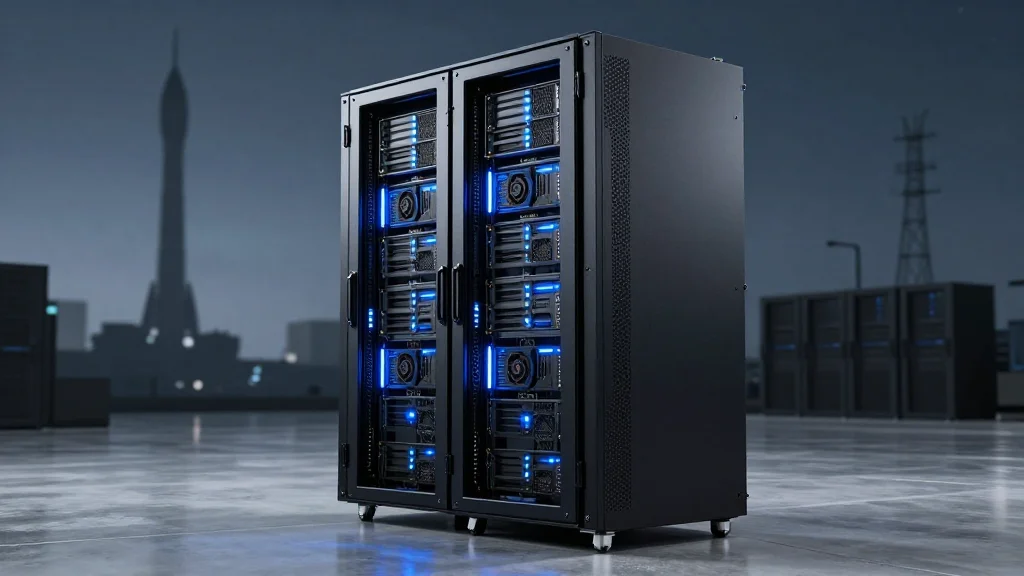
The AI industry’s compute crunch has pushed leading labs to hunt for every megawatt of processing power, and Anthropic’s latest pact with SpaceX marks a bold move into a non‑traditional provider. Colossus 1, built around more than 220,000 Nvidia H100, H200 and GB200 GPUs, offers a rare combination of scale and speed that can accelerate Claude model training and inference. By tapping the full 300 MW capacity, Anthropic can lift throttles on its Claude Pro, Max, and Code tiers, delivering smoother user experiences and positioning the service for the next wave of enterprise adoption.
Anthropic’s strategy mirrors a broader trend: AI firms are diversifying compute sources to hedge against cloud bottlenecks and price volatility. Earlier this year the company locked in multi‑gigawatt agreements with Google’s TPU roadmap and Amazon’s Trainium 2/3 chips, creating a hybrid infrastructure that blends hyperscale data centers with specialized accelerators. This multi‑vendor approach not only spreads risk but also gives Anthropic leverage in negotiating pricing and priority access, a crucial advantage as model sizes continue to balloon.
The most headline‑grabbing element of the deal is the talk of orbital AI compute. SpaceX’s launch cadence and satellite expertise make the concept technically plausible, yet the reality faces steep obstacles: launch costs, radiation, thermal management, and the inability to service hardware in orbit. Until these challenges are resolved, the space‑based data center remains a visionary side project. Nonetheless, the partnership signals that major AI players are willing to explore unconventional avenues, and it may accelerate industry investment in next‑generation, high‑density compute architectures both on Earth and beyond.
Anthropic, SpaceX Deal Boosts Claude Compute and Points to Space-Based AI
Comments
Want to join the conversation?
Loading comments...