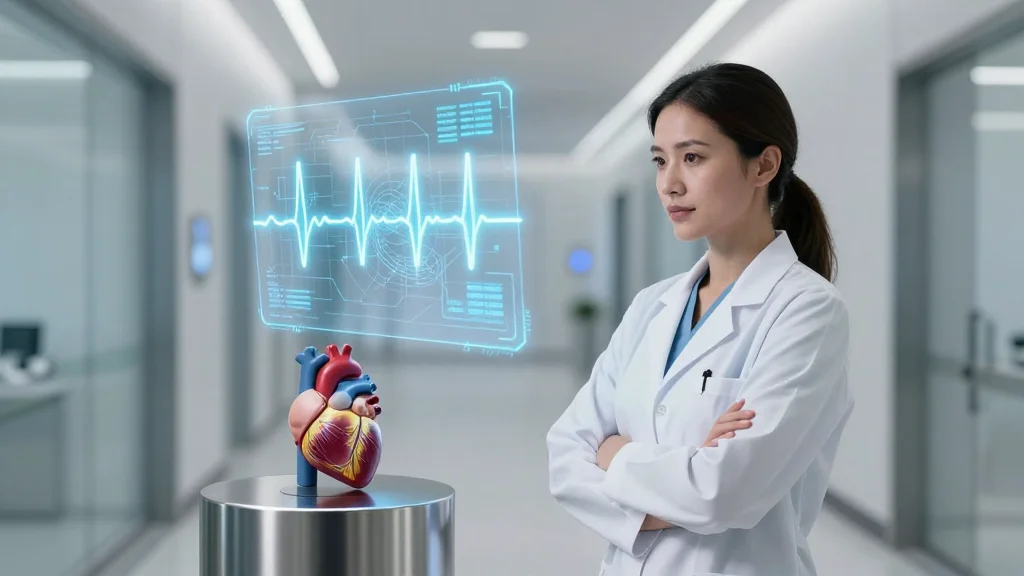
Anumana Secures FDA Clearance for First-of-Its-Kind ECG-AI Algorithm for Early Detection of Pulmonary Hypertension
Why It Matters
Early identification of pulmonary hypertension can shrink diagnostic delays that currently span years, improving patient outcomes and reducing costly advanced‑stage care. The clearance also validates AI‑augmented ECGs as a scalable, reimbursable diagnostic adjunct in routine clinical workflows.
Key Takeaways
- •FDA clears first ECG‑AI tool for pulmonary hypertension detection.
- •Algorithm shows ~73% sensitivity, 74% specificity in multi‑center study.
- •Detects >85% of PAH cases early, aiding timely treatment.
- •Integrates within EHR, no patient data leaving system.
- •Developed on 250k Mayo Clinic ECG records, scalable across settings.
Pulse Analysis
Pulmonary hypertension remains a silent killer, often eluding diagnosis until right‑heart failure ensues. Traditional pathways rely on symptom‑driven referrals and costly imaging, creating a two‑year average lag from onset to definitive diagnosis. As health systems grapple with rising cardiovascular burdens, clinicians are turning to data‑rich, low‑cost tools that can surface hidden pathology earlier. AI‑enhanced electrocardiography fits this niche, leveraging decades‑old ECG infrastructure while extracting subtle waveform patterns invisible to the human eye.
Anumana’s newly cleared PH algorithm capitalizes on this premise, marrying a massive Mayo Clinic ECG repository with deep‑learning models to flag early PH signatures. Independent validation across five U.S. health systems showed the model achieving 73% sensitivity and 74.4% specificity among patients presenting with dyspnea—a notable performance given the disease’s heterogeneity. In sub‑analyses, the tool identified more than 85% of pulmonary arterial hypertension cases and 78% of chronic thromboembolic PH, suggesting it could serve as a front‑line triage instrument. Seamless integration into existing EHR and ECG management platforms means clinicians receive real‑time alerts without additional data handling, preserving privacy and accelerating decision‑making.
The clearance signals a broader shift toward AI‑driven diagnostics that are both clinically validated and regulatorily endorsed. For investors and health‑system leaders, Anumana’s move underscores the commercial viability of AI‑SaMDs that dovetail with routine workflows and qualify for reimbursement. As more AI algorithms achieve FDA clearance, the market is likely to see a cascade of similar solutions targeting other silent cardiovascular conditions, ultimately reshaping preventive cardiology and driving cost efficiencies across the care continuum.
Anumana Secures FDA Clearance for First-of-Its-Kind ECG-AI Algorithm for Early Detection of Pulmonary Hypertension
Comments
Want to join the conversation?
Loading comments...