Apple Just Showed Off New Siri. The Smartest Part Was Letting You Watch It Wait
Companies Mentioned
Why It Matters
Demonstrating real‑time latency reassures developers and consumers that Apple’s AI will operate on‑device with privacy, while tempering hype around immediate capabilities. This transparency could influence adoption rates and competitive positioning against Google and Microsoft’s assistants.
Key Takeaways
- •Siri demo showed visible wait times to emphasize authentic AI processing
- •Apple previously overpromised personal‑context Siri features that never shipped
- •Slower demos signal shift toward realistic expectations for generative AI
- •WWDC audience now sees AI integration across apps, not just marketing hype
- •Real‑time search hints future iOS updates will prioritize on‑device privacy
Pulse Analysis
Artificial‑intelligence assistants have become a battleground for the tech giants, and Apple has long positioned Siri as the privacy‑first alternative to Google Assistant and Microsoft Copilot. In 2024 the company announced a “personal‑context” Siri capable of reasoning across messages, photos, and third‑party apps, promising instant, on‑device answers that would keep user data out of the cloud. However, most of those capabilities remained confined to prototype videos, with only peripheral features like Genmoji reaching consumers. The gap between the glossy demos and shipped functionality created skepticism among developers and investors alike.
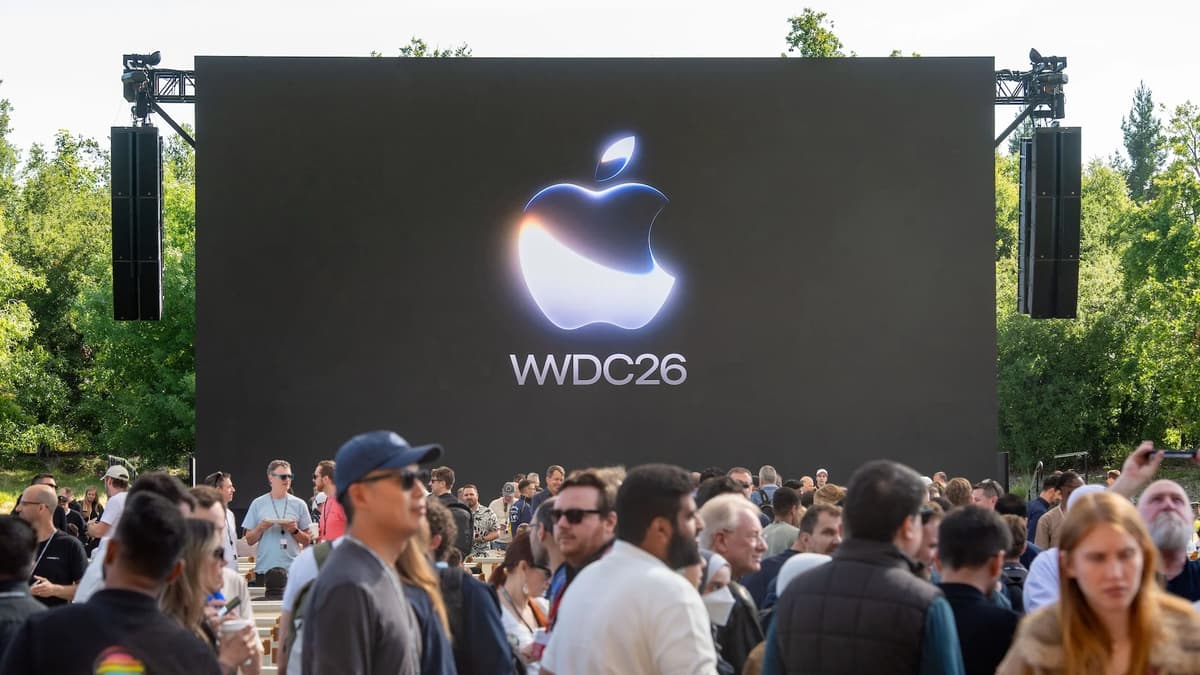
The WWDC 2026 keynote broke that pattern by deliberately leaving the audience to watch Siri “think.” When a presenter asked the assistant to locate a friend’s address, retrieve ranch‑trip photos, or compare three PDF quotes, the screen displayed a silent pause while the system searched the device. This visual latency serves two purposes: it signals that the heavy lifting is happening locally, reinforcing Apple’s on‑device privacy narrative, and it sets a realistic benchmark for future releases. By exposing the processing time, Apple pre‑empts accusations of staged demos and aligns expectations with the current state of generative AI hardware.
The strategic transparency could reshape how the market evaluates AI assistants. Developers now have a clearer timeline for integrating Siri’s expanded APIs, while consumers may become more tolerant of modest response speeds if they understand the privacy trade‑off. Competitors that rely on cloud‑centric models might find Apple’s on‑device approach a differentiator, especially in regulated industries such as finance and healthcare. Moreover, the pause hints that upcoming iOS updates will prioritize efficient, local inference engines, potentially accelerating the rollout of features like real‑time photo search and document analysis. Apple’s candid demo thus marks a pivot from hype to sustainable AI growth.
Apple Just Showed Off New Siri. The Smartest Part Was Letting You Watch It Wait
Comments
Want to join the conversation?
Loading comments...