Apple Seeks to Disrupt the Glasses Market the Way It Did With Watches


Why It Matters
Apple’s entry could reshape the premium AR glasses segment by leveraging its hardware‑software synergy, pressuring rivals and accelerating consumer adoption. Success would broaden Apple’s revenue streams beyond phones and wearables.
Key Takeaways
- •Apple aims to integrate glasses with iPhone ecosystem for seamless experience
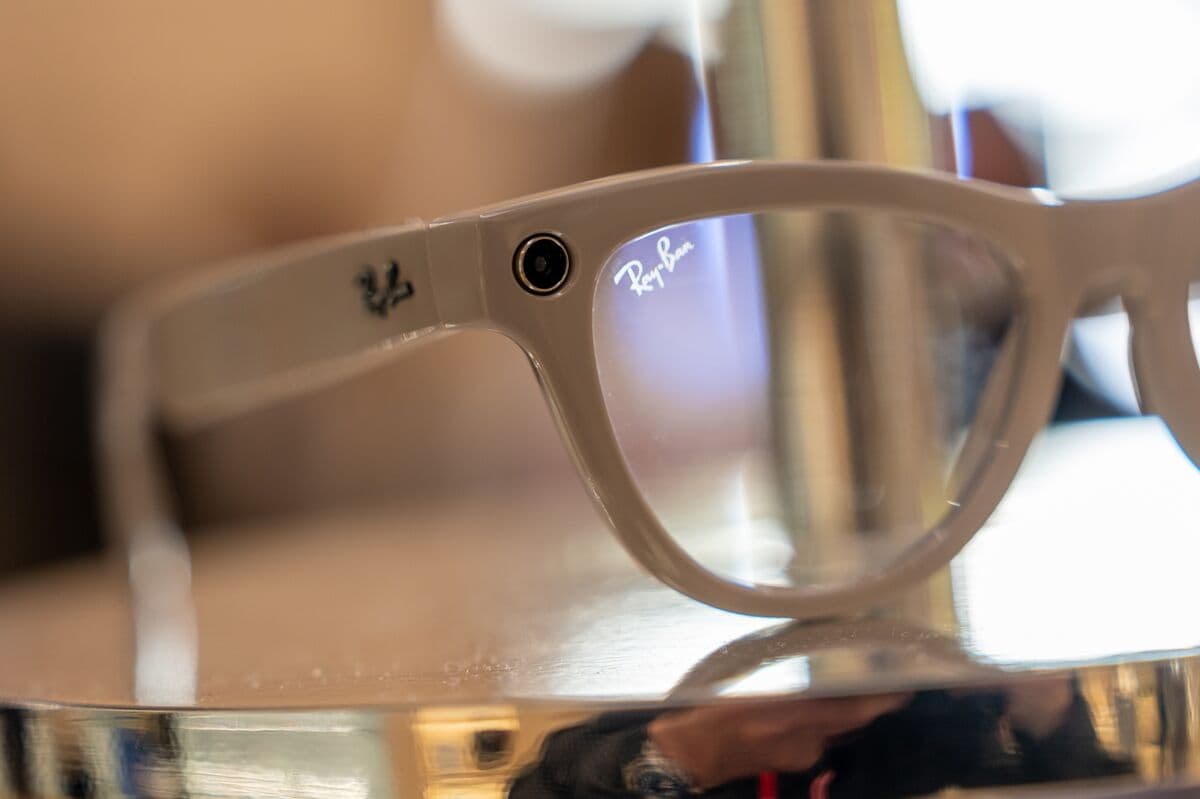
- •Meta's Ray‑Ban Gen 2 AI glasses set competitive benchmark for Apple
- •iOS 27 Siri app will sync smart‑glasses data via iCloud
- •Apple's health and watch division faces reboot as wearables diversify
Pulse Analysis
Apple’s push into smart glasses marks the latest attempt to extend its ecosystem beyond phones and watches. By tying the new eyewear to iPhone hardware and the forthcoming iOS 27 Siri platform, Apple can offer a level of integration that rivals have struggled to match. The glasses will likely leverage Apple’s advanced sensors, ARKit framework, and iCloud syncing, delivering a unified experience that spans messaging, navigation, and health tracking. This approach mirrors how the Apple Watch transformed the wearables market by piggybacking on the iPhone’s reach.
The strategic timing aligns with Apple’s broader product refresh cycle. iOS 27 introduces a Siri app designed to synchronize data across devices, a feature that will be crucial for real‑time AR overlays and contextual notifications on the glasses. Coupled with early work on iOS 28 and macOS, the glasses could become a cross‑platform hub, linking desktop, mobile, and home devices like the upcoming Apple TV and HomePod mini. Such cohesion not only deepens user lock‑in but also opens new avenues for developers to create immersive applications that leverage Apple’s hardware stack.
Industry analysts see the move as a response to Meta’s Ray‑Ban Gen 2 AI glasses, which have set a high bar for design and AI capabilities. Apple’s advantage lies in its premium brand, robust supply chain, and health‑focused ecosystem, especially as its Watch and Health divisions undergo a reboot to stay relevant. If Apple can deliver compelling AR experiences while integrating health metrics, it could capture a sizable share of the nascent AR market, driving growth in services, accessories, and potentially reshaping how consumers interact with digital information. The success of this venture will hinge on pricing, developer support, and the ability to differentiate from competitors in a rapidly evolving space.
Apple Seeks to Disrupt the Glasses Market the Way It Did With Watches
Comments
Want to join the conversation?
Loading comments...