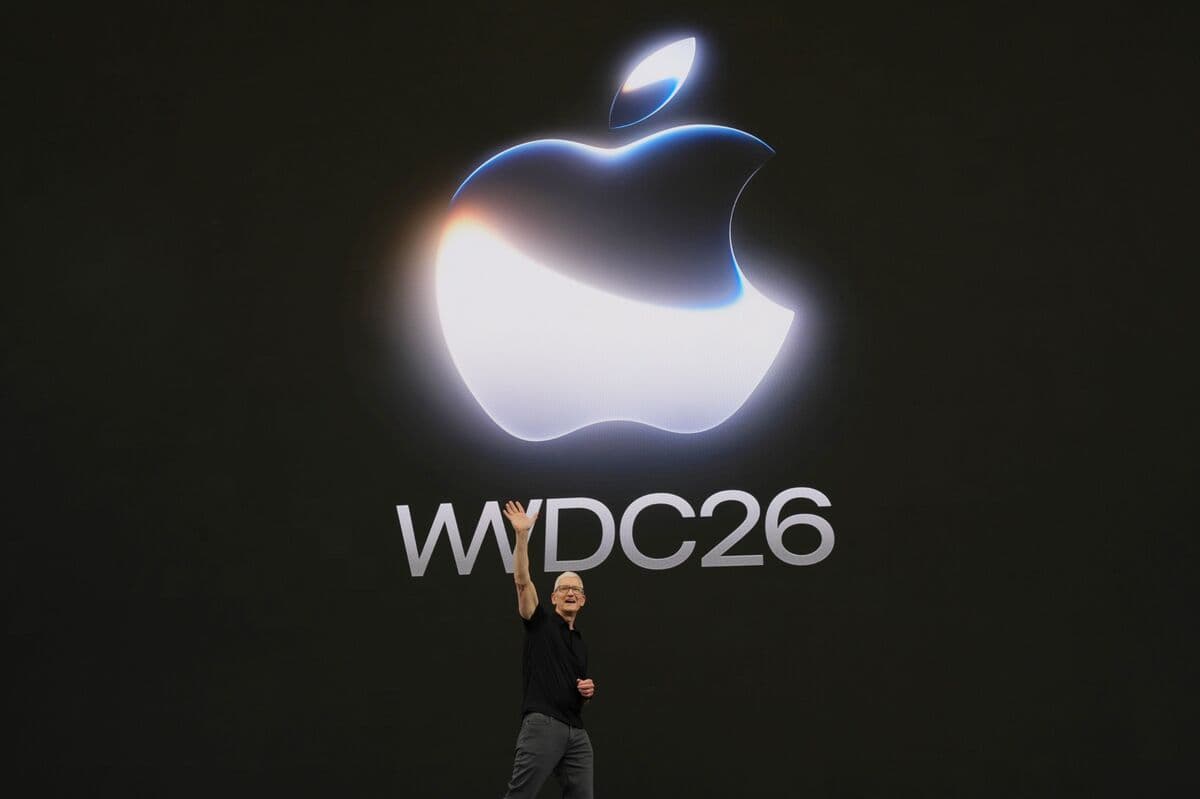
Apple WWDC 2026 Recap: What’s Coming to iPhone, Mac and Other Devices
Why It Matters
Apple’s AI push blends its privacy ethos with tangible consumer features, positioning the firm to compete directly with Google and Microsoft in everyday AI services. The move could reshape user expectations and developer roadmaps across the mobile and desktop markets.
Key Takeaways
- •Apple introduced on‑device AI chips for faster Siri processing
- •iOS 20 adds AI‑powered photo editing tools for everyday users
- •macOS 15 brings generative AI shortcuts to MacBook Pro workflow
- •Developers gain access to Apple AI APIs through updated SDK
- •Privacy‑first AI model ensures user data stays on device
Pulse Analysis
Apple’s new AI strategy marks a decisive shift from its historically cautious approach to artificial intelligence. By embedding custom AI silicon directly into iPhones and Macs, the company can run complex models locally, sidestepping the cloud‑centric designs favored by rivals. This on‑device emphasis not only trims latency but also reinforces Apple’s long‑standing privacy narrative, giving users confidence that personal data never leaves their hardware. The move aligns with broader industry trends where edge computing is becoming a differentiator for consumer devices.
The revamped Siri experience is the centerpiece of Apple’s rollout, featuring faster voice recognition, contextual understanding, and proactive suggestions powered by the new chips. Integrated across iOS 20, iPadOS 20 and macOS 15, Siri now handles tasks like multi‑step photo edits, real‑time language translation, and personalized scheduling without relying on external servers. These capabilities are packaged as intuitive gestures and voice commands, aiming to make AI feel like a natural extension of daily workflows rather than a novelty.
For developers, Apple’s updated SDK unlocks a suite of AI APIs that mirror the on‑device model, enabling third‑party apps to embed generative features while preserving user privacy. This opens revenue opportunities and could accelerate the adoption of AI‑enhanced apps in the App Store. Competitors such as Google and Microsoft will need to address Apple’s privacy‑first proposition, which may shift market dynamics toward tighter data controls. As AI becomes a staple of consumer tech, Apple’s blend of performance, privacy, and ecosystem integration positions it to capture a larger share of the emerging AI services market.
Apple WWDC 2026 Recap: What’s Coming to iPhone, Mac and Other Devices
Comments
Want to join the conversation?
Loading comments...