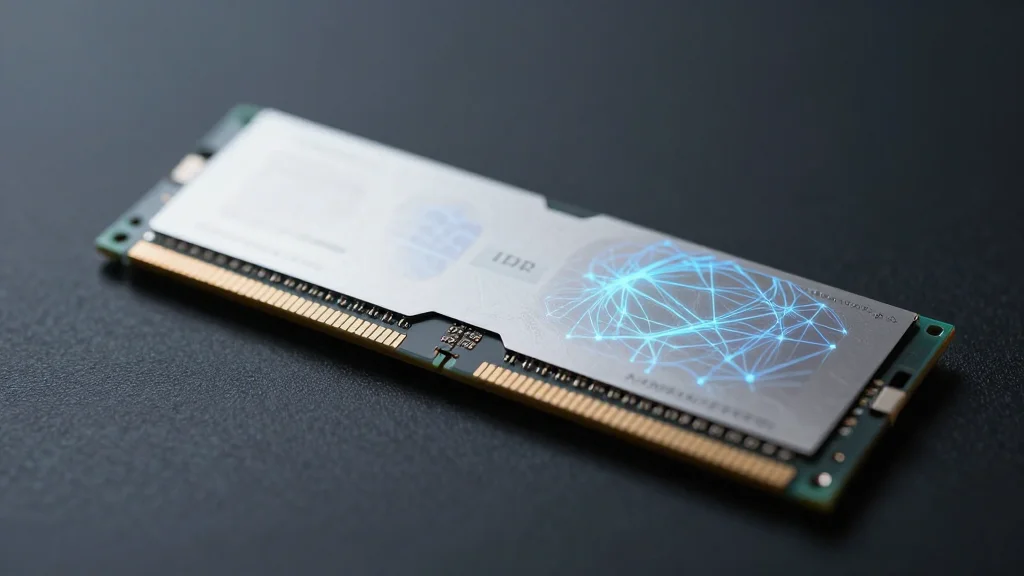
Apple's Tim Cook Says AI-Fueled 'RAMmageddon' Will Make Your Next Laptop and Phone a Lot Pricier
Companies Mentioned
Why It Matters
Rising RAM costs threaten Apple’s profitability and could force higher prices for consumer devices, reshaping the tech market’s cost structure.
Key Takeaways
- •AI workloads are driving unprecedented demand for RAM chips
- •Apple flagged higher memory costs will pressure margins in Q3 2026
- •RAM shortages could push consumer device prices higher across the market
- •Suppliers may prioritize data‑center RAM, limiting supply for smartphones and laptops
- •Apple is evaluating inventory tactics and design changes to offset cost spikes
Pulse Analysis
The AI boom has turned RAM into a strategic bottleneck. Data‑centers require massive, low‑latency memory to train and run large models, pushing manufacturers to allocate the most advanced DRAM to server farms. This shift has strained the supply chain, driving up prices for the same chips that power smartphones and laptops. With wafer fabs already operating near capacity, any surge in AI workloads quickly translates into higher component costs for downstream device makers.
Apple’s June‑quarter earnings call highlighted the financial ripple effect. While the company’s overall margin remained solid, Cook noted that memory expenses rose sharply in the March quarter and will continue to climb, partially offset by existing inventory. The higher cost base squeezes gross margins and forces Apple to reconsider its product pricing and component sourcing strategies. Potential responses include redesigning devices to use lower‑capacity RAM, negotiating longer‑term supply contracts, or passing costs onto consumers through premium pricing on AI‑enabled models.
For the broader consumer tech ecosystem, “RAMmageddon” signals a new pricing paradigm. Laptops and smartphones that once saw incremental cost increases now face double‑digit price hikes as manufacturers grapple with limited DRAM availability. Competitors may explore alternative memory technologies, such as LPDDR5X or emerging MRAM, to diversify supply. Meanwhile, investors should monitor component‑price indices and supplier earnings for early signs of cost stabilization. In the short term, consumers can expect pricier upgrades, while the industry may accelerate innovation in memory efficiency to mitigate the long‑term impact.
Apple's Tim Cook says AI-fueled 'RAMmageddon' will make your next laptop and phone a lot pricier
Comments
Want to join the conversation?
Loading comments...