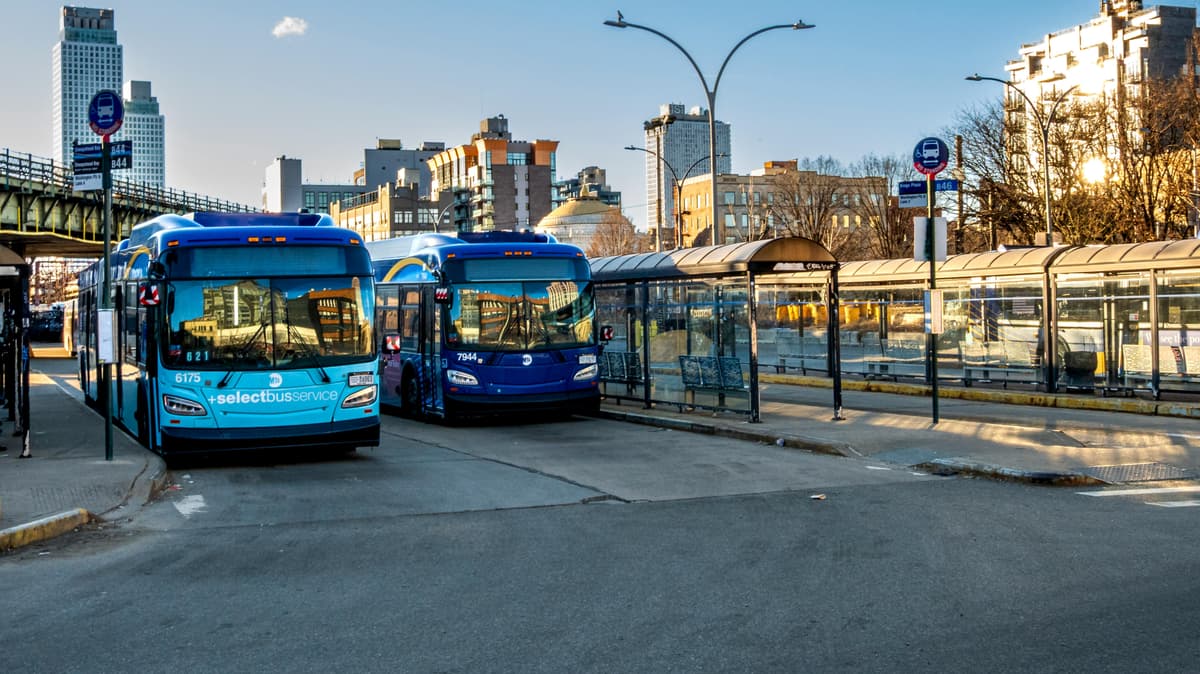
APTA Releases Resources to Help Public Transit Agencies Utilize AI, ML Tools Across Operations
Why It Matters
AI adoption promises measurable efficiency gains and cost reductions for public transit, directly enhancing service reliability and rider experience while positioning agencies for future digital transformation.
Key Takeaways
- •MTA's AI maintenance boosted productivity 75% and cut material costs 24%
- •AI image recognition lifted bus‑lane citations from 22 to 787
- •Half of agencies use AI; 47% plan back‑office and operations expansion
- •APTA's four guidance briefs cover tools, policy, staffing, and implementation
Pulse Analysis
Public transit operators are at a pivotal moment as artificial‑intelligence technologies shift from experimental pilots to core operational tools. APTA’s newly released AI Primer synthesizes data from a broad survey of member agencies, revealing that half of the industry already leverages AI in areas such as customer support and analytics, while nearly as many plan to extend its use to back‑office and real‑time operations. By mapping current deployments across eight functional domains, the primer offers a benchmark for agencies to gauge their own maturity and identify high‑impact opportunities.
Concrete case studies illustrate the tangible benefits AI can deliver. The Metropolitan Transportation Authority’s predictive‑maintenance platform lifted bus‑fleet productivity by 75% and trimmed material expenses by 24%, demonstrating how machine‑learning models can pre‑empt equipment failures and optimize parts inventories. Smaller agencies are also seeing outsized gains: Alameda‑Contra Costa’s image‑recognition system amplified bus‑lane violation citations from 22 to 787 in just two months, while Prairie Hills Transit’s AI dispatch replaced handwritten scheduling, freeing staff for higher‑value tasks. These examples underscore AI’s capacity to improve reliability, reduce costs, and enhance rider communication across both large metros and rural networks.
To translate these successes into widespread adoption, APTA’s four guidance briefs tackle the practical hurdles agencies face. The tool‑and‑infrastructure brief outlines data‑integration and real‑time computing requirements, while the policy brief navigates emerging federal regulations and data‑ownership concerns. Staffing guidance highlights the need for upskilled personnel, and the implementation guide provides a step‑by‑step framework for piloting, scaling, and monitoring AI solutions. By offering a clear, accountable pathway, APTA equips transit providers to harness AI responsibly, positioning the sector for sustained efficiency gains and improved rider outcomes.
APTA releases resources to help public transit agencies utilize AI, ML tools across operations
Comments
Want to join the conversation?
Loading comments...