
Companies Mentioned

Why It Matters
By bringing AI‑driven accuracy to a $50 billion hair‑care market, MyHair AI could reshape how consumers diagnose, treat, and purchase hair‑loss solutions, reducing misinformation and boosting clinic efficiency.
Key Takeaways
- •AI app analyzes scalp photos for hair loss detection.
- •Over 300,000 images trained dedicated hair‑loss model.
- •1,000+ paying users, 200,000 total accounts.
- •Board adds dermatologist Dr. Tess for credibility.
- •Vibe‑coding enabled launch within weeks, showcasing startup speed.
Pulse Analysis
The convergence of computer‑vision AI and personal health monitoring is redefining niche markets, and hair‑loss is a prime example. Traditional hair‑care brands rely on generic advice and often opaque product claims, leaving consumers vulnerable to misinformation. MyHair AI’s dedicated model, trained on a massive dataset of scalp images, offers a clinically‑validated assessment that quantifies hair density and predicts early thinning, delivering a level of precision previously reserved for dermatology clinics. This shift toward data‑driven diagnostics empowers users to make evidence‑based decisions about treatments and products.
Beyond the diagnostic engine, MyHair AI integrates a marketplace that matches users with personalized regimens and vetted clinics, addressing a critical pain point in the $50 billion industry: trust. By curating verified specialist reviews and facilitating direct bookings, the platform reduces friction between diagnosis and care delivery. The addition of Dr. Tess to the board further anchors the service in medical credibility, differentiating it from broader wellness apps that lack specialist oversight. This hybrid of AI analytics and curated professional networks exemplifies a new business model where technology amplifies, rather than replaces, expert care.
The startup’s rapid development timeline—ideation, vibe‑coding, clinical validation, and consumer launch within a year—highlights how modern tooling accelerates go‑to‑market strategies. Leveraging low‑code environments and focused data pipelines, MyHair AI demonstrates that deep‑learning solutions can be built quickly without sacrificing accuracy. As the company expands into booking platforms and broader clinic partnerships, it sets a precedent for other health‑adjacent verticals, showing that AI can both streamline user experience and open new revenue streams in traditionally fragmented markets.
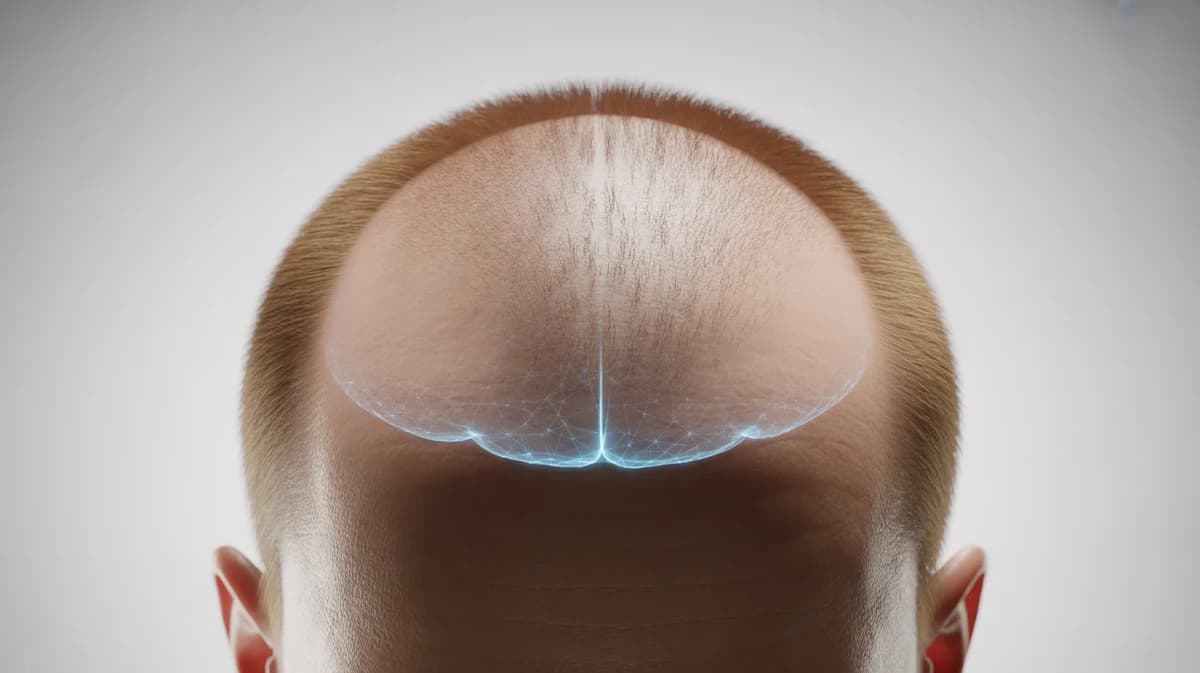
Are you balding? There’s an AI for that
0
Comments
Want to join the conversation?
Loading comments...