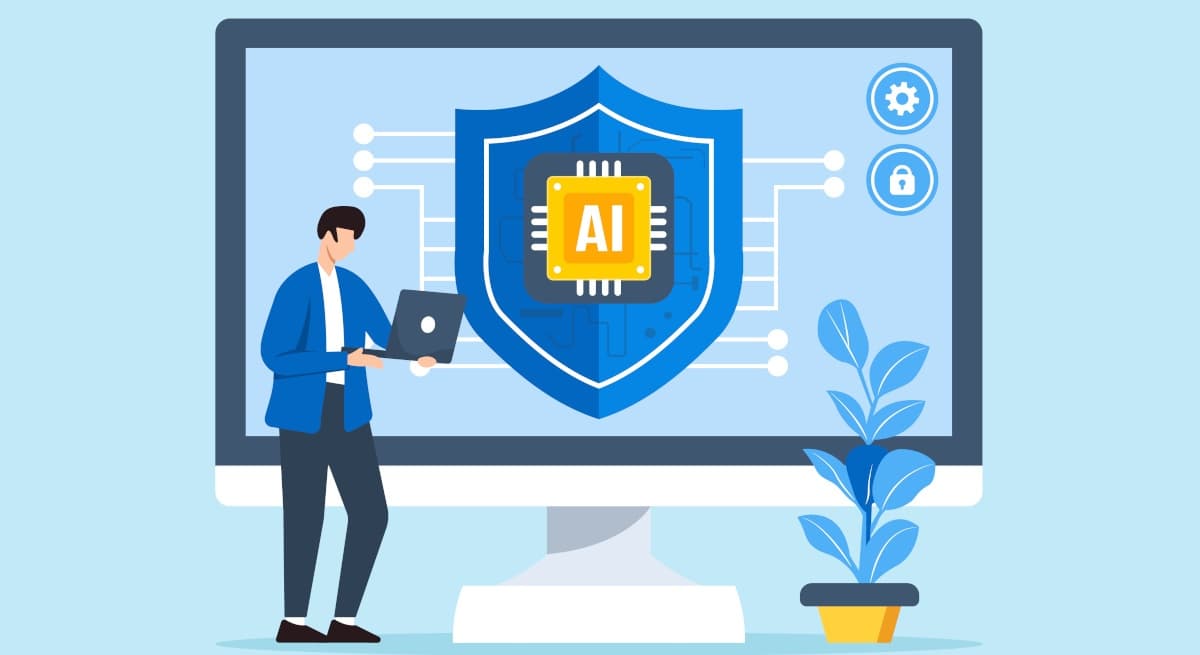
Artificial Intelligence and the Modern Cybersecurity Landscape
Why It Matters
AI’s dual role as a security enhancer and attack enabler forces organizations to revamp risk controls and talent strategies, directly impacting their resilience and competitive edge.
Key Takeaways
- •Rent the Runway builds AI governance framework to balance innovation and risk.
- •TCS warns AI can aid attackers, boosting phishing and vishing threats.
- •Demand surges for AI/ML security, cloud, and OT expertise in 2026.
- •Certifications like OSCP, CISSP, CISM remain top hiring criteria.
- •Security leaders must translate technical risk into business language.
Pulse Analysis
The rapid infusion of artificial intelligence into enterprise operations is redefining how security teams operate. AI can automate routine monitoring, accelerate threat detection, and reduce analyst fatigue, yet it also equips adversaries with sophisticated tools for automated reconnaissance, deep‑fake phishing, and AI‑driven vulnerability discovery. Companies like Rent the Runway are responding by crafting comprehensive AI governance frameworks that set risk tolerances, enforce ethical use policies, and embed security controls throughout the AI lifecycle, ensuring that innovation does not outpace protection.
Simultaneously, the talent market is feeling the pressure. Traditional cybersecurity competencies remain essential, but employers are increasingly seeking professionals versed in AI/ML model hardening, cloud-native defenses, and operational‑technology (OT) security. Certifications such as OSCP, CISSP, and CISM continue to serve as benchmarks, while new credentials focused on AI security are emerging. This skills shift is prompting organizations to upskill existing staff and recruit hybrid talent capable of bridging technical depth with strategic business insight.
For senior leaders, the challenge extends beyond technology to communication. Translating complex, AI‑related risks into clear business implications is now a core responsibility for security officers. Effective risk communication drives stakeholder buy‑in for necessary investments and aligns security initiatives with broader corporate objectives. As AI matures, firms that integrate robust governance, cultivate specialized expertise, and foster strategic dialogue will be best positioned to turn AI’s promise into a competitive advantage while mitigating its inherent dangers.
Artificial intelligence and the modern cybersecurity landscape
Comments
Want to join the conversation?
Loading comments...